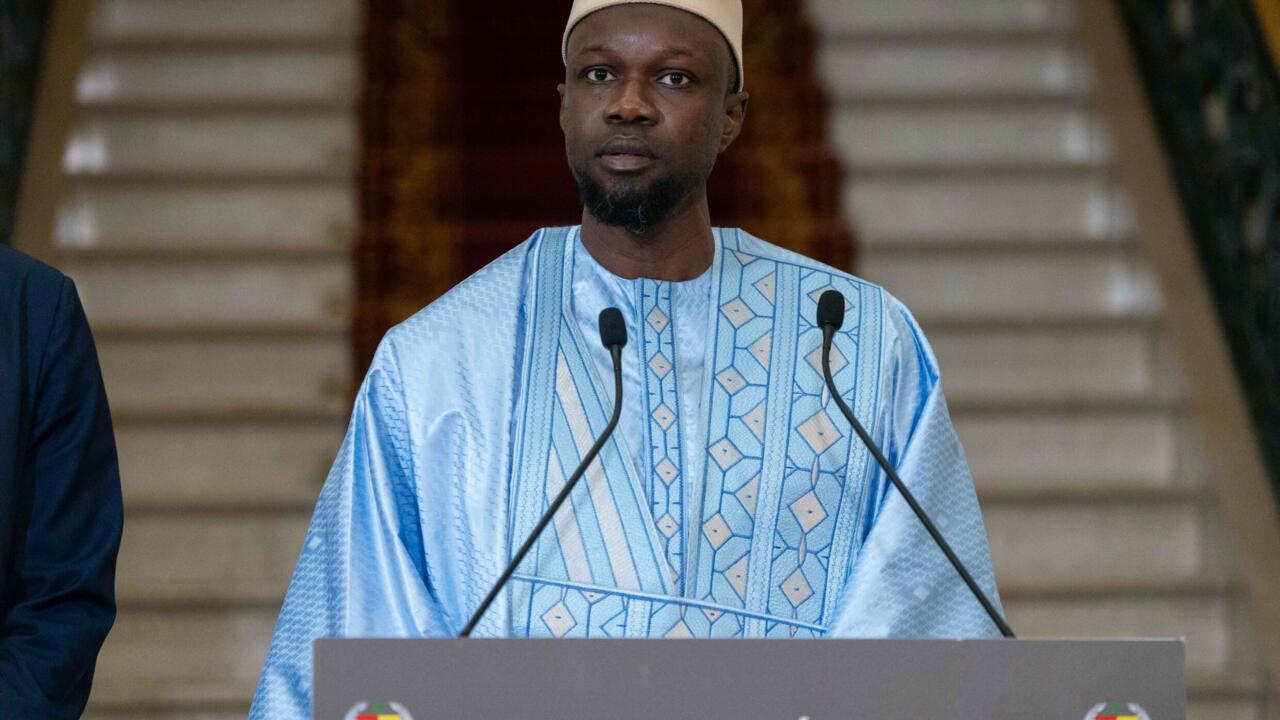
The Senegalese government has announced a decision to ban its ministers from traveling abroad as part of its efforts to address the crisis of rising oil prices that is impacting the national economy. Prime Minister Ousmane Sonko, during a youth event in the coastal town of Mbour, stated that this decision comes amid the challenging economic conditions the country is facing, warning of 'very difficult' times ahead for Senegal.
This decision comes at a time when oil prices are significantly rising, with the price of Brent crude reaching approximately $115 per barrel, nearly double the price that was included in the Senegalese government's budget, which was $62 per barrel. This price increase has greatly affected the state budget, prompting the government to take strict measures.
Details of the Announcement
In his speech, Sonko confirmed that ministers would only leave the country for essential government-related tasks. He noted that he had already canceled his scheduled trips to Niger, Spain, and France, reflecting the government's seriousness in dealing with this crisis. He also added that the government would announce additional measures in the coming days, including an anticipated speech from the Minister of Energy and Mines to clarify the efforts being made to mitigate the effects of rising prices.
These steps come amid increasing pressures on governments worldwide, as many countries seek to implement measures to address the repercussions of rising energy prices. Some countries in West Africa have taken similar steps, including raising fuel prices and providing subsidies to citizens.
Background & Context
The global energy markets are significantly affected by geopolitical events, with the war in Ukraine and Iran's closure of the vital Strait of Hormuz leading to supply disruptions. These conditions have resulted in unprecedented oil price increases, impacting the economies of developing countries, including Senegal. Senegal is grappling with high debt levels, complicating the economic situation further.
Historically, Senegal has relied on importing oil to meet its needs, making it vulnerable to fluctuations in global prices. This dependency has affected the government's ability to implement development projects and achieve economic stability.
Impact & Consequences
This crisis is expected to exacerbate the economic conditions in Senegal, as the government will face significant challenges in meeting the needs of its citizens. Additionally, the travel ban on ministers may affect the country's international relations, especially given the need for cooperation with other nations to address this crisis.
Moreover, the rise in oil prices may lead to increased inflation, affecting the purchasing power of citizens. The government may take further measures to mitigate the effects of this increase, but challenges remain.
Regional Significance
The oil price crisis is a concern for many Arab countries, as many of these nations rely on oil exports as a primary source of revenue. This crisis may impact global oil prices, which could reflect on the economies of Arab countries in general.
At the same time, some oil-producing countries may benefit from rising prices, but they will also face challenges in managing these revenues effectively. It is crucial for Arab nations to collaborate to address these common economic challenges.
In conclusion, the oil price crisis in Senegal reflects the fragile economic situation faced by many developing countries. A swift and effective response from governments is required to ensure the stability of their economies and protect their citizens from the repercussions of this crisis.