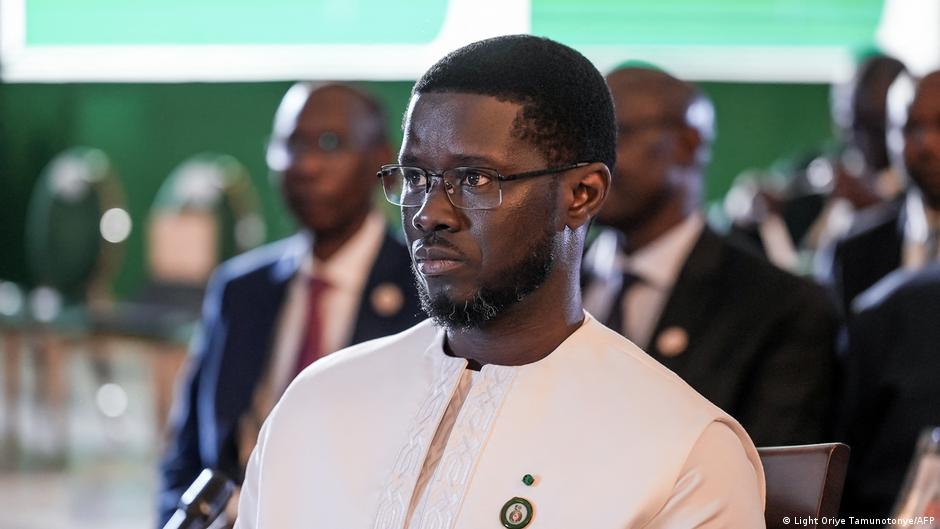
Senegalese President Ousmane Sonko has officially signed a new law that doubles the maximum penalties for homosexual relations, which was approved by parliament earlier this month. The new law not only tightens penalties but also criminalizes the promotion or funding of these relationships, eliciting mixed reactions both locally and internationally.
The law, which received broad support from parliament in this predominantly Islamic country, comes at a sensitive time as the nation has witnessed a series of arrests related to legal violations concerning homosexual relations, including the arrest of prominent local figures. This has sparked significant media interest, with the topic being frequently covered in local media.
Details of the Legislation
The new law, introduced by Prime Minister Ousmane Sonko, was passed without any opposition from lawmakers, as no deputy voted against the proposal, while three abstained from voting. This parliamentary support reflects the strong dominance of Sonko's leftist party in the National Assembly, where the party holds 130 out of 165 seats.
At the same time, this legislation has raised concerns among many human rights organizations, which warned that such laws could lead to the spread of diseases like HIV due to individuals' fear of seeking medical help. The United Nations High Commissioner for Human Rights, Volker Turk, described the law as "extremely concerning," noting that it contradicts fundamental human rights.
Background & Context
Historically, homosexual relations are a sensitive topic in many African countries, where strict laws punish such relationships. In countries like Uganda, Mauritania, and Somalia, penalties can reach the death sentence. In this context, the new Senegalese law reflects prevailing trends in many African nations that seek to reinforce traditional values, increasing tensions between human rights and cultural practices.
In recent years, Senegal has seen a rise in arrests related to homosexual relations, leading to an escalating debate about LGBTQ rights in the country. This discussion has sparked widespread controversy within society, with opinions divided between supporters and opponents.
Impact & Consequences
The new law could have serious repercussions for individuals living in Senegal, as it may lead to increased social stigma and discrimination against homosexuals. Additionally, the tightening of penalties may deter individuals from seeking medical assistance, potentially resulting in the spread of infectious diseases such as HIV.
On the other hand, this law may exacerbate the divide between Senegal and the international community, as the country faces increasing pressure from human rights organizations and Western nations calling for respect for human rights. These pressures could affect Senegal's diplomatic and economic relations with other countries.
Regional Significance
Laws regarding homosexual relations are also a sensitive subject in many Arab countries, most of which adopt similar stances to those of African nations. This similarity in positions may enhance cooperation among countries that uphold these laws, increasing the challenges facing human rights in the region.
In conclusion, the new Senegalese law reflects the ongoing challenges facing human rights in many countries and underscores the need for open and inclusive dialogue on these sensitive issues.