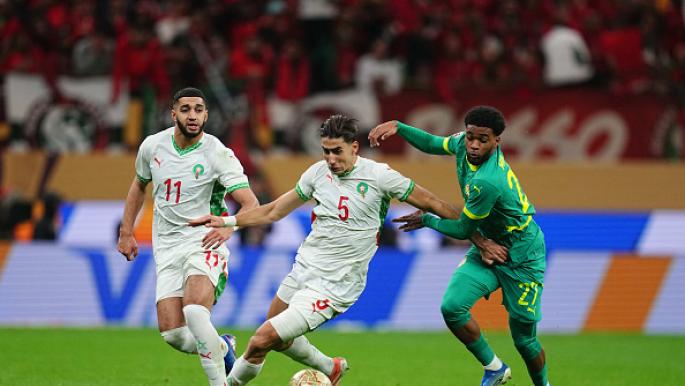
Discussions continue regarding the 2025 Africa Cup final between Senegal and Morocco, as the Senegalese Football Federation takes new legal actions to reclaim the title amidst rising tensions between the two parties. The Senegalese Federation aims to rectify what it considers errors in the organization of the tournament.
In an unprecedented move, the Senegalese Federation has hired one of Spain's top lawyers, who played a significant role in Neymar's transfer to Paris Saint-Germain, to bolster its legal position in this case. This decision comes at a sensitive time, as pressure mounts on the Confederation of African Football (CAF) to clarify some ambiguous points related to the final.
Details of the Event
The 2025 Africa Cup final sparked widespread controversy after Morocco won the match, but Senegal objected to several refereeing decisions that it deemed unfair. The Senegalese Federation pointed out that there were numerous violations that were overlooked, which affected the outcome of the final match.
The latest step taken by the Senegalese Federation follows a series of meetings with CAF officials, during which formal complaints regarding the conduct of the match were submitted. Senegalese officials hope that these actions will contribute to a reconsideration of the match result or at least lead to an official apology for the mistakes that occurred.
Background & Context
Historically, Africa Cup tournaments have seen numerous controversies surrounding refereeing and decisions made by organizing committees. In recent years, complaints from participating teams about a lack of transparency in some decisions have increased, leading to a loss of trust in African sports institutions. Senegal, regarded as one of the major powers in African football, is now seeking to restore its position following this controversy.
On the other hand, Morocco, which has achieved significant accomplishments in recent years, faces new challenges in maintaining its title. The relationship between the two countries is not new to tension, as previous encounters have occurred in both sports and cultural fields.
Impact & Consequences
If the Senegalese Federation succeeds in regaining the title, it will set a legal precedent in the history of African football and may open the door for more complaints from other teams in the future. Additionally, this case could affect CAF's reputation, necessitating a reevaluation of refereeing and organizational mechanisms.
Conversely, these events may escalate tensions between Morocco and Senegal, potentially impacting bilateral relations in other areas, such as trade and culture. Furthermore, this case could attract global media attention, increasing pressure on CAF to find swift and effective solutions.
Regional Significance
Football is one of the most popular sports in the Arab world, and any controversy related to refereeing or tournament organization can affect fans of Arab teams. The success of either team in this case could inspire other teams in the region to rely on legal channels to reclaim their rights.
In conclusion, all eyes remain fixed on the outcome of this case and whether it will lead to real changes in how African tournaments are managed. Amidst this tense atmosphere, everyone is looking for a resolution that satisfies all parties and restores trust in sports institutions.