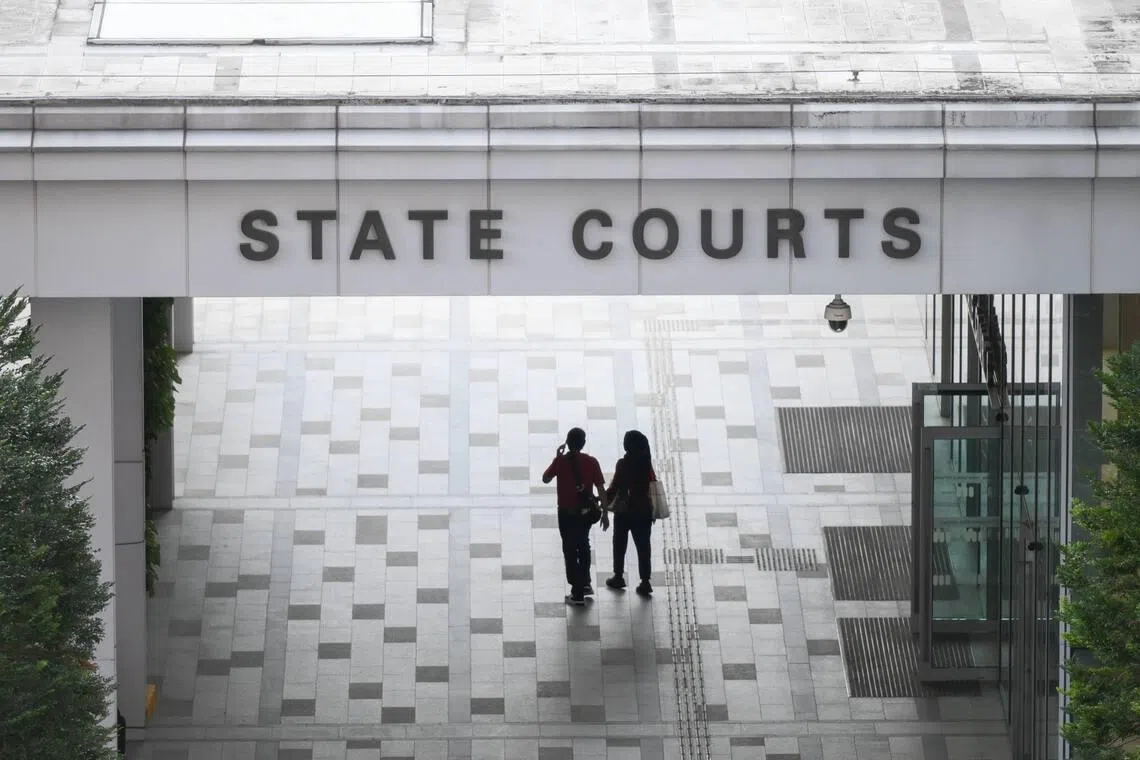
A court in Singapore has sentenced Leo Koi Yong to 11.5 years in prison following a series of violent assaults he committed, where he used a sickle to attack strangers on the street. This ruling comes as part of a long history of crimes committed by the defendant over the span of three decades.
The charges against him also included using a flower pot to strike another man's head, in addition to attempting to assault a policewoman while she was on duty. These incidents reflect a rise in violence in certain communities and raise questions about how to deal with repeat offenders.
Details of the Incidents
In the details of the incidents, Leo Koi Yong attacked several individuals in public places, instilling fear among local residents. The first incident occurred when he attacked a passerby with a sickle, resulting in serious injuries. In another incident, he used a flower pot as a weapon to assault another person, heightening concerns about the safety of citizens.
The court based its ruling on the defendant's lengthy criminal record, which showed that Leo had been involved in numerous prior offenses, reflecting a pattern of violent behavior that has not changed over the years. This case raises questions about the effectiveness of the judicial system in dealing with repeat offenders.
Background & Context
Leo Koi Yong's criminal history spans over 30 years, during which he has been arrested on multiple occasions for violent crimes. This type of behavior is not uncommon in some communities, where incidents of assault and violence are on the rise, prompting the need for stricter measures from authorities.
In recent years, many countries have seen an increase in violent crime rates, leading governments to reconsider their criminal policies. This case reflects the challenges faced by communities in maintaining public safety and security.
Impact & Consequences
The sentencing of Leo Koi Yong could have wide-ranging effects on society, highlighting the urgent need to enhance security and reduce violence. This case may prompt authorities to implement stricter measures against repeat offenders and develop effective rehabilitation programs to help lower crime rates.
Moreover, these incidents may affect public confidence in the judicial system, as citizens question the effectiveness of laws in protecting the community from criminals. It is crucial for authorities to work on rebuilding trust by delivering justice effectively.
Regional Significance
The implications of this case extend beyond individual accountability, as it underscores the broader societal issues related to crime and safety. The rise in violent incidents calls for a comprehensive approach to crime prevention and community safety.
In conclusion, the case of Leo Koi Yong serves as a reminder of the persistent challenges that societies face in combating violence and ensuring public security. It emphasizes the need for continuous evaluation and improvement of the criminal justice system to better serve the community.