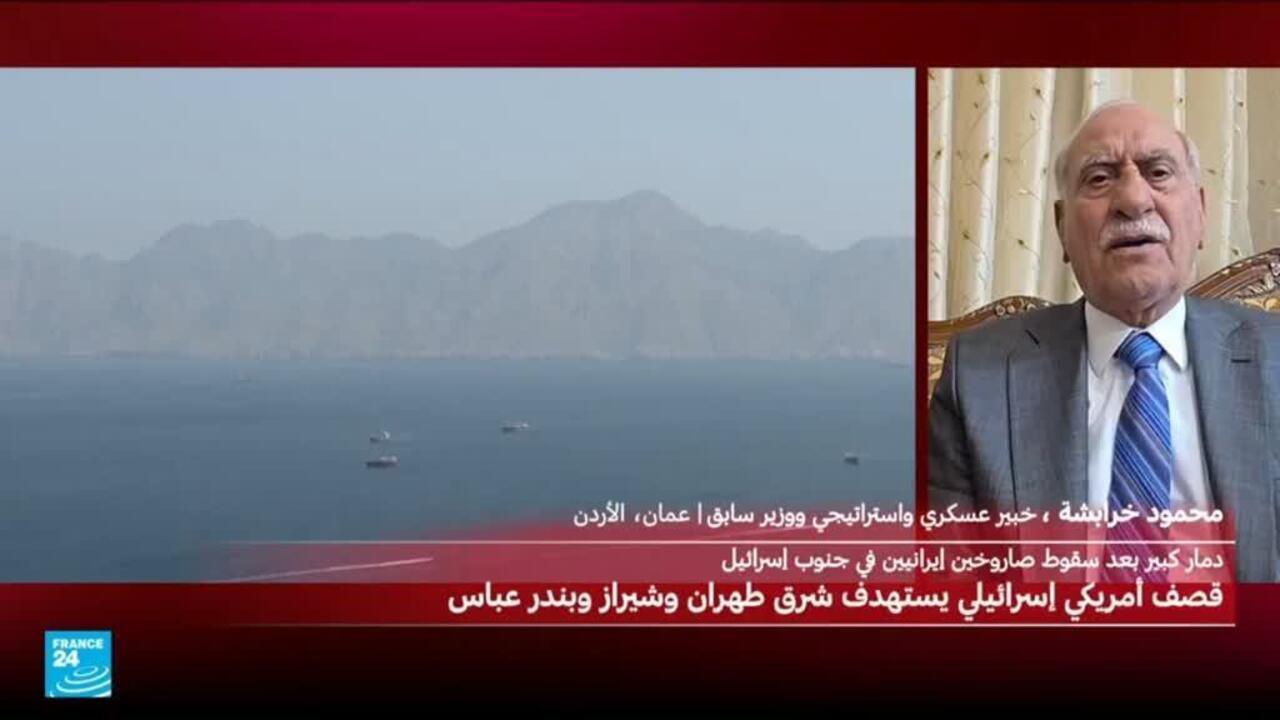
The Iranian Revolutionary Guard warned on Sunday that Iran would completely close the Strait of Hormuz if American threats to target Iranian energy facilities are implemented. The statements came after U.S. President Donald Trump said on Saturday that he would work to 'erase' Iranian power stations if Tehran does not fully reopen the Strait of Hormuz within 48 hours.
The escalation in relations between Washington and Tehran reflects ongoing tensions in the region. The Strait of Hormuz is a lifeline for the global economy, with approximately 20% of world oil passing through it, making it a critical center of geopolitical conflict. If Iran were to close the strait, it would have a direct impact on global oil prices and increase fuel prices worldwide.
Through its statements, the Revolutionary Guard has renewed concerns about the possibility of a military conflict in the region. Revolutionary Guard spokesman Ramazan Sharif confirmed that closing the strait would be a red line that cannot be crossed, expressing Iran's readiness to respond to any threat. This statement reflects a high level of tension between the two sides and increases fears of military escalation.
On the other hand, Trump's threats come as part of his aggressive foreign policy toward Iran, especially following the U.S. withdrawal from the nuclear agreement in 2018. Trump's latest threat aims to dismantle Iran's ability to export oil, which is essential for supporting its economy.
The current situation could have negative repercussions on the overall situation in the Middle East. Previous conflicts, such as those in Iraq, Syria, and Lebanon, have been exacerbated by interventions and complex issues among major powers, which may herald further instability in the region. Changing the rules of the game in the event of prolonged war or military escalation could impact the economies of neighboring countries and increase migration and displacement.
In conclusion, despite the rising warnings and threats, the international community must act to establish diplomatic mechanisms to avoid letting matters spiral out of control. Closing the Strait of Hormuz will not be limited to Iran and the United States but will negatively impact everyone amidst the economic interconnection seen in today's global energy market.