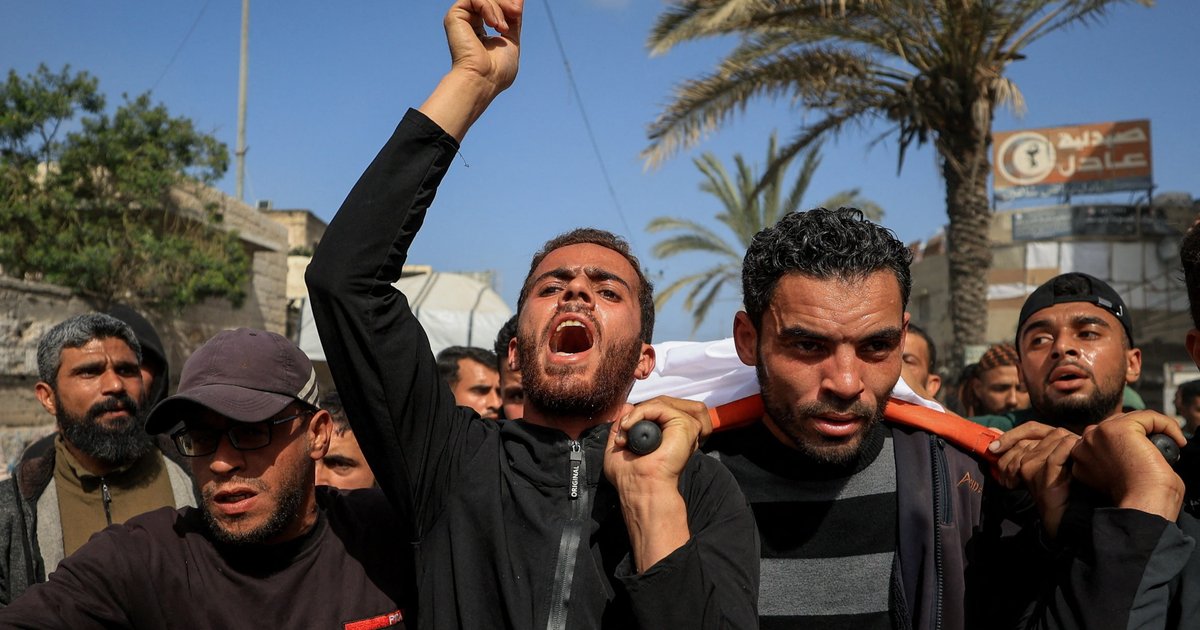
Seven Palestinians, including a World Health Organization employee, were killed due to ongoing Israeli airstrikes on the Gaza Strip, reflecting the continued violations of the declared ceasefire. The attack occurred late on Sunday, where Israeli forces targeted civilian homes and vehicles, resulting in numerous casualties and injuries.
According to local reports, the Israeli airstrikes targeted a house in the Al-Bureij refugee camp in central Gaza, leading to the deaths of four Palestinians and injuring others. Additionally, a group of Palestinians in the Shuja'iyya neighborhood east of Gaza City was targeted, resulting in one death and several injuries.
Details of the Incident
Early on Monday, Israeli forces targeted a United Nations vehicle carrying World Health Organization staff, as well as a commercial bus on Salah al-Din Street in southern Gaza. The driver, Majdi Aslan, aged 54, was confirmed dead, while another employee was injured in the attack.
These attacks come at a time when Gaza residents are facing dire humanitarian conditions, as a new group of patients was prevented from entering or leaving the enclave following Aslan's death. Despite the ceasefire announced last October, Israeli forces have continued to carry out attacks on civilian areas, resulting in over 720 deaths and around 2000 injuries since then.
Background & Context
Historically, the Gaza Strip has witnessed an escalation of hostilities between Palestinian factions and Israel, with the roots of the conflict stemming from decades of occupation and strife. Since the onset of Israeli aggression in October 2023, the Palestinian Ministry of Health has documented the deaths of over 72,300 Palestinians, highlighting the catastrophic impact of this conflict on civilians.
Israeli violations of the ceasefire continue, with civilians being repeatedly targeted, complicating the humanitarian situation in the besieged enclave. These events occur at a sensitive time when the international community is seeking peaceful solutions to the ongoing conflict.
Impact & Consequences
These attacks underscore the urgent need for effective international intervention to protect civilians in Gaza. The ongoing Israeli violations reflect a disregard for ceasefire commitments, threatening peace efforts and exacerbating the suffering of civilian populations. Additionally, these events could lead to further escalation of the conflict, placing the entire region in a state of instability.
Calls from humanitarian organizations and the international community are increasing for an end to the violence and to ensure humanitarian aid reaches those in need in Gaza. The continuation of these attacks could worsen the humanitarian situation and heighten tensions between Palestinians and Israelis.
Regional Significance
The events in Gaza have significant implications for the Arab region, reflecting the ongoing tensions between Palestinians and Israelis. The persistence of violence may affect relations between Arab states and Israel, potentially increasing Arab support for the Palestinian cause.
Moreover, the situation in Gaza highlights the importance of Arab unity in facing regional challenges, requiring a collective response from Arab nations to ensure the rights of Palestinians and protect them from ongoing violations.
In conclusion, the events in Gaza remain a focal point for the international community, as the deteriorating humanitarian conditions demand urgent responses from all concerned parties. Achieving peace and stability in the region requires a genuine commitment from all sides to halt violence and ensure human rights.