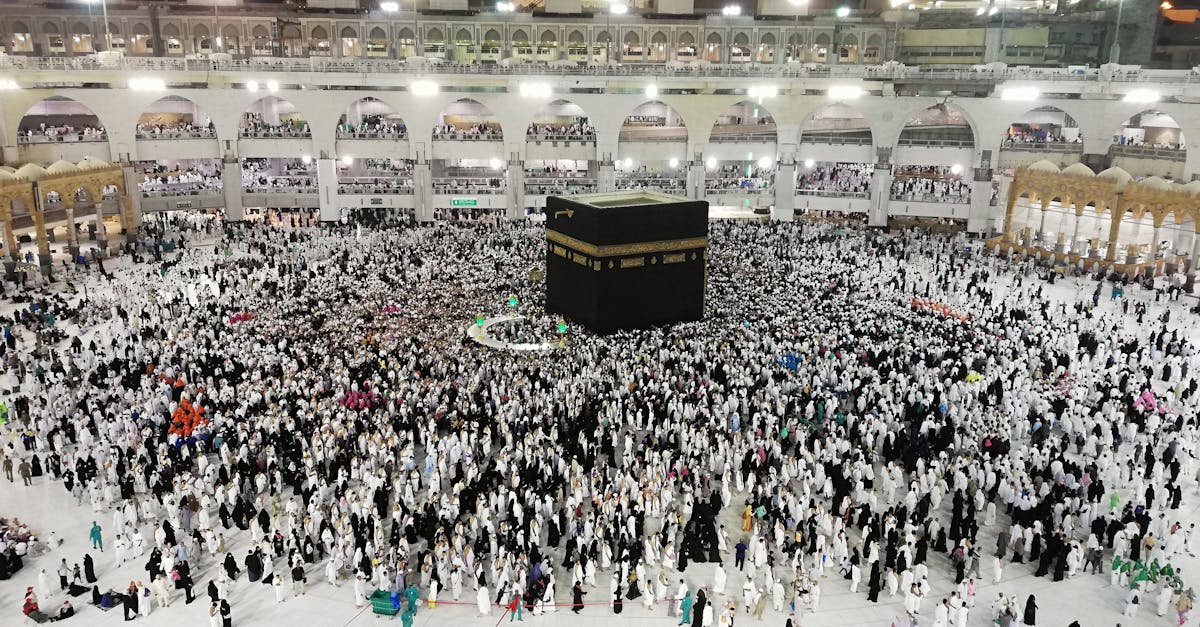
Seven pilgrims from the Indonesian province of Bengkulu have arrived in Mecca, joining the pilgrimage after being compensated for those who could not travel due to health issues or death. These pilgrims were included in group PDG 14, where they immediately began performing the rituals of Umrah.
Kerniawan Arianto Abdul Ghani, the official responsible for the health program for pilgrims at the Bengkulu Health Office, confirmed that these pilgrims are substitutes for those who could not travel due to cases of death or illness or postponement of the trip. This step is aimed at meeting the needs of the pilgrims and providing them the opportunity to fulfill their religious obligations.
Details of the Event
The seven pilgrims consist of four individuals from Rejang Lebong and three from Kepahiang. They were transported to Mecca where they are staying at the Al-Huda Tower Complex, which is designated for their accommodation during the pilgrimage.
Abdul Ghani also noted that all pilgrims from Bengkulu who were included in groups PDG 02, PDG 03, PDG 04, and PDG 05 have also arrived in Mecca and started performing the rituals of Umrah. The total number of pilgrims sent from Bengkulu to the Kingdom of Saudi Arabia is 1,344, all of whom are now in Mecca.
Background & Context
The pilgrimage rituals are among the most important religious rites in Islam, with millions of Muslims traveling to Mecca annually to perform this obligation. However, some pilgrims face challenges such as illnesses or accidents that may prevent them from traveling. Therefore, compensating those who could not travel is an important step to ensure that no Muslim misses the opportunity to perform the pilgrimage.
Historically, pilgrimage seasons have faced numerous challenges, including epidemics and health crises, leading to changes in how the pilgrimage is organized and how healthcare is provided to pilgrims. In recent years, healthcare services offered to pilgrims have significantly improved, helping to reduce health risks.
Impact & Consequences
This incident highlights the importance of providing healthcare and support to pilgrims, as 92 medical visits were recorded as of last Saturday, reflecting the ongoing need for healthcare during the pilgrimage season. Medical services were provided for 1,276 visits, focusing on high-risk pilgrims.
Reports indicate that the most common illnesses among pilgrims include acute respiratory infections, high blood pressure, and diabetes. Authorities must continue to monitor the health of pilgrims and provide the necessary support to ensure their safety.
Regional Significance
The pilgrimage is a significant event for Muslims worldwide, as pilgrims from various countries and cultures gather in Mecca. This event strengthens ties between Islamic nations and reflects unity and solidarity among Muslims. Additionally, improving pilgrimage services and healthcare has a positive impact on religious tourism in the region.
In conclusion, the arrival of these pilgrims in Mecca represents a positive step that reflects the authorities' commitment to providing opportunities for all Muslims to perform the pilgrimage, thereby enhancing the spirit of solidarity and unity among Muslims worldwide.