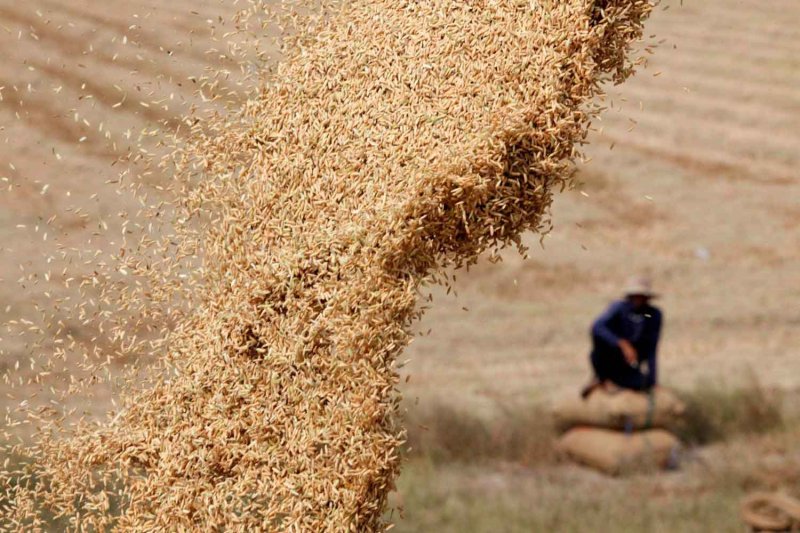
Thailand is confronting major challenges in its agricultural sector, with forecasts indicating the likelihood of a strong El Niño phenomenon, which threatens rice production and heightens food security risks. Amid the ongoing crisis in the Middle East, farmers are struggling with soaring energy and fertilizer costs, adding to their financial burdens.
Reports suggest that severe drought, rising input costs, and market inefficiencies could further pressure farmers, jeopardizing their ability to achieve profits and increasing the risk of loan defaults.
Details of the Event
This year, the El Niño phenomenon is expected to exacerbate harsh climatic conditions, with a heat dome likely to cover Thailand, leading to elevated temperatures until September. Rainfall during May and June is anticipated to be scarce, adversely affecting rice cultivation in several regions.
Farmers, already grappling with high energy and fertilizer prices due to the conflict in the Middle East, will face additional burdens as a result of severe drought. Moreover, agricultural market inefficiencies, such as the significant gap between farmers' prices and wholesale prices, further compound their struggles.
Background & Context
Over the past two decades, Thailand has seen a decline in the agricultural sector's contribution to GDP, dropping from over 11-12% to around 8%. This decline is attributed to an increased share of industrial production and a slowdown in agricultural growth, particularly in export-oriented agricultural products.
Historically, government policies have relied on direct support for farmers, leading to a lack of real structural adjustments. In contrast, Vietnam has implemented agricultural reforms aimed at increasing high-value agricultural production and reducing rice cultivation areas.
Impact & Consequences
Research centers warn that the anticipated drought will lead to decreased farmer incomes, potentially increasing unpaid loans in the agricultural sector. This impact could result in rising household debts nationwide and farmers losing ownership of their lands, weakening local purchasing power.
Additionally, the decline in farmer incomes may lead to increased social discontent, potentially causing political unrest. The agricultural sector is a livelihood for approximately 13-14 million people, making it a vital part of the Thai economy.
Regional Significance
Arab countries are also facing similar challenges due to climate change and rising food prices. Harsh climatic conditions in Thailand could affect rice prices in global markets, impacting Arab nations that rely on rice imports.
In light of these circumstances, Arab nations must enhance food security strategies and improve agricultural production efficiency to tackle future challenges.