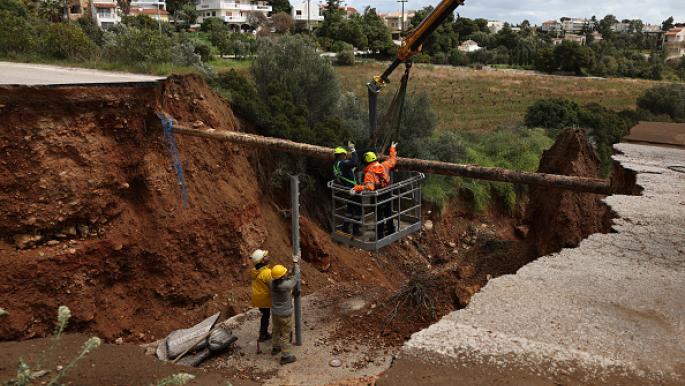
The severe weather that swept across Greece for three days resulted in the death of a man, who was found trapped under his car in the Nia Makri area near the capital Athens. The storm, which began earlier in the week, brought heavy rainfall and strong winds, significantly affecting traffic and transportation in many areas.
Local reports indicate that the storm caused extensive damage, flooding streets and leading to landslides in some regions. Many major roads were closed, making intercity travel extremely difficult. Authorities issued warnings to citizens to exercise caution while driving.
Details of the Incident
The storm that hit Greece was a result of severe weather fluctuations, with the country experiencing heavy rainfall and fierce winds. Reports stated that the man found dead had been swept away by the water and became trapped under his vehicle. This unfortunate incident highlights the significant risks posed by severe weather conditions.
In a related context, Greek authorities dispatched rescue teams to the affected areas to assist impacted residents. Additional measures were taken to ensure citizens' safety, including the closure of schools in some of the hardest-hit regions.
Background & Context
Greece is prone to severe weather conditions, especially during the winter months, when it faces waves of storms and heavy rains. In recent years, the country has witnessed several similar incidents that resulted in loss of life and significant material damage. These events underscore the need for improved infrastructure to cope with increasing climate challenges.
Global climate change also plays a crucial role in intensifying these weather phenomena. Many studies have warned that Mediterranean countries, including Greece, will face more climate-related challenges in the future.
Impact & Consequences
The impact of the storm on Greece will have multiple repercussions. Economically, the damage caused by the storm could lead to hefty costs for repairing the affected infrastructure. Additionally, the disruption of transportation may affect trade and tourism, both of which are major sources of revenue for the country.
Moreover, tragic incidents like the death of the man under his car raise public concern about citizen safety during severe weather conditions. The government needs to take urgent steps to enhance the early warning system and improve emergency response.
Regional Significance
Storms and severe weather conditions are a concern for many countries in the Arab region, where some nations like Lebanon and Syria have experienced similar events in recent years. These occurrences highlight the importance of regional cooperation in addressing climate challenges.
Climate change also affects food and water security in the region, necessitating urgent action to adapt to these changes. Arab countries must strengthen their strategies to combat climate change and improve their capacity to deal with natural disasters.
In conclusion, storms and severe weather conditions remain a significant challenge for many countries, including Greece. An effective response from governments and local communities is required to ensure citizen safety and minimize potential damages.