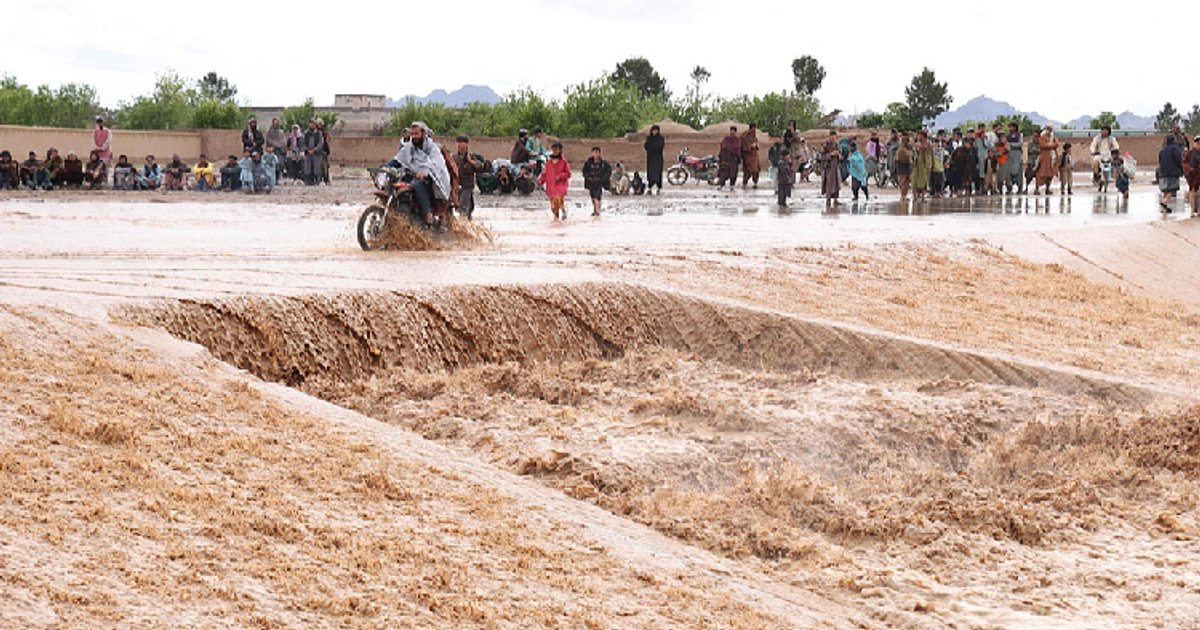
Severe weather has led to the tragic loss of 121 lives in Afghanistan and Pakistan within a short span of two weeks. The torrential rains and storms that swept through the region have destroyed numerous homes and infrastructure, exacerbating the suffering of local populations already facing challenging economic conditions.
Reports of damage to both public and private properties continue to emerge, with landslides and flooding being reported in various areas. Local authorities are working tirelessly to provide assistance to those affected, but the challenges are significant due to weak infrastructure and a lack of resources.
Details of the Incident
Several regions in Afghanistan and Pakistan have been severely impacted, with some areas recording unprecedented rainfall levels. In Pakistan, the southern regions were the hardest hit, while in Afghanistan, mountainous areas were particularly vulnerable to landslides. These extreme weather phenomena occur at a time when both countries are grappling with worsening humanitarian and health crises.
The Afghan and Pakistani governments are striving to support the affected populations, dispatching rescue teams to the most impacted areas. However, the response remains hampered by significant difficulties, including a lack of funding and necessary resources.
Background & Context
Historically, Afghanistan and Pakistan have suffered from the effects of severe weather, as the region is frequently subjected to storms and heavy rainfall. However, the climate changes witnessed globally in recent years have exacerbated these phenomena, making them more frequent and intense.
These natural disasters are part of a larger pattern of challenges facing the region, including political and economic conflicts. Under these circumstances, it becomes essential to enhance international efforts to provide humanitarian assistance.
Impact & Consequences
These natural disasters significantly affect people's lives, with increasing numbers of displaced individuals and refugees in the region. Additionally, damage to infrastructure impacts the local economy, further increasing the suffering of the population.
Such situations require a swift response from the international community, as coordinated efforts must be made to assist those affected. Failure to respond effectively could exacerbate the humanitarian crises in the region.
Regional Significance
These events serve as a reminder of the extent to which climate changes impact the world, including Arab countries. Amid growing environmental challenges, Arab nations must strengthen their strategies to adapt to these changes.
Moreover, the humanitarian crises in Afghanistan and Pakistan could affect security and stability in the region, necessitating greater engagement from Arab countries in providing support and assistance.