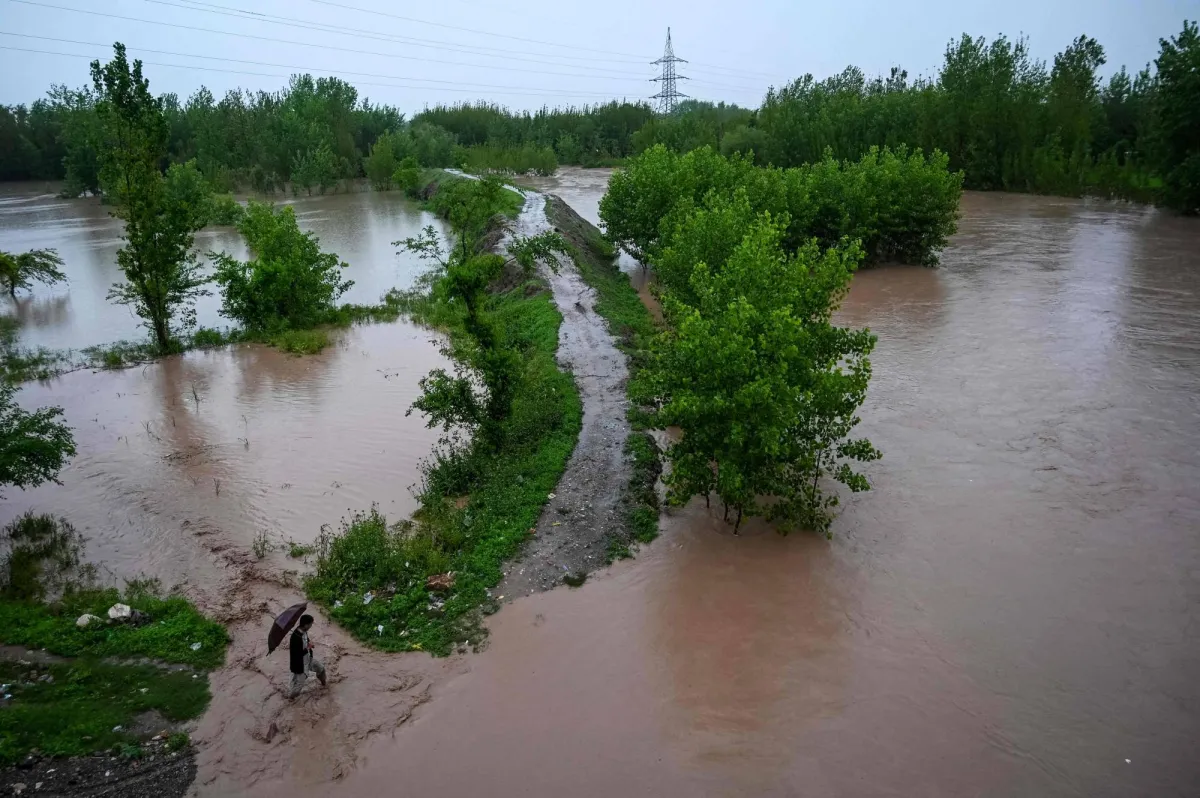
Severe weather conditions in Pakistan and Afghanistan have resulted in the deaths of approximately 188 people over the past two weeks, as heavy rains and floods continue to wreak havoc in the region.
Disaster management agencies in both countries have reported a significant deterioration in the humanitarian situation, particularly in Afghanistan, which is suffering from a severe humanitarian crisis. Mohammad Yusuf Hamad, spokesperson for the National Disaster Management Authority, confirmed that 123 people have died since March 26 due to rains, floods, and landslides.
Details of the Incident
Between Sunday and Tuesday alone, 46 fatalities were recorded across Afghanistan, including a heartbreaking case of a newborn in Ghazni province, where the parents' vehicle fell into a water ditch after they had just received the child from the hospital. The parents sustained serious injuries, according to the media office of the provincial governor.
In Pakistan, the death toll in Khyber Pakhtunkhwa province has risen to 47, including 27 children, since March 25. Reports also indicate that at least 65 people have died in Pakistan, with an additional 18 fatalities recorded in Balochistan province since March 20.
Background & Context
These natural disasters are part of an increasingly severe climatic pattern in the region, where Pakistan and Afghanistan are frequently subjected to harsh weather conditions. The humanitarian situation in Afghanistan has worsened since the Taliban returned to power in 2021, making it more challenging to respond to natural disasters.
Historically, the region has experienced numerous devastating floods, but the current situation requires urgent international response, as the weak infrastructure in both countries complicates the management of these crises.
Impact & Consequences
These disasters exacerbate the humanitarian situation, with populations suffering from shortages of food and clean water, in addition to the destruction of property and infrastructure. These events highlight the urgent need to develop effective strategies for adapting to climate change.
The current conditions necessitate a response from the international community, as humanitarian aid can help alleviate suffering. However, political and economic challenges in the region may hinder relief efforts.
Regional Significance
These events underscore the importance of regional and international cooperation in addressing natural disasters, as Arab countries may also face similar challenges in the future. Strengthening disaster preparedness is vital to ensure the safety of populations and the stability of the region.
In conclusion, the international community must act swiftly to provide the necessary assistance to those affected by these disasters, as the humanitarian situations in Afghanistan and Pakistan require urgent attention.