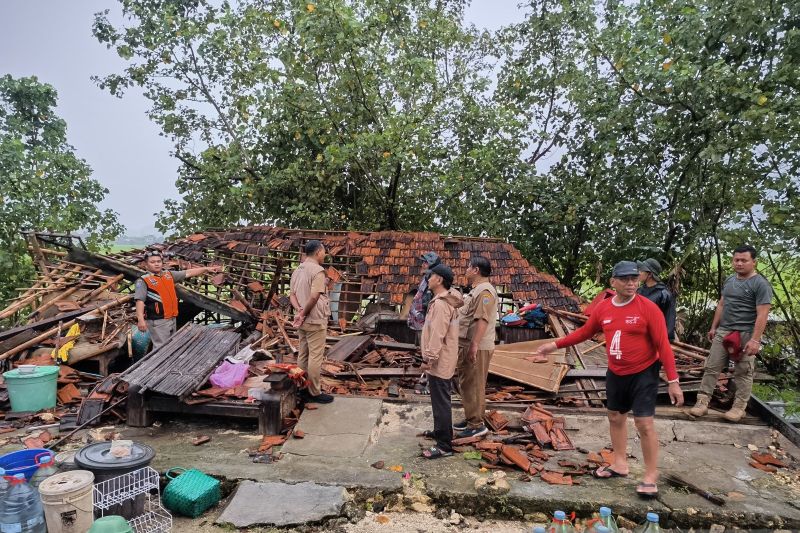
Heavy rainfall and strong storms have destroyed 85 homes in Klaten, Central Java, Indonesia, causing significant damage to local infrastructure. The incident occurred during a sensitive time as the region faces notable climate fluctuations. Local authorities are working to assess the damage and provide assistance to those affected.
Many areas in Klaten have been severely impacted, with strong winds causing roofs to be torn off and trees to fall onto roads and homes. Minor injuries have been reported among residents, but no fatalities have been recorded so far. Rescue and relief teams have begun working on the ground to provide necessary assistance.
Details of the Incident
On the morning of the incident, Klaten experienced heavy rainfall that lasted for hours, leading to water accumulation in the streets and causing power outages in many areas. The strong winds, which ranged from 40 to 60 kilometers per hour, resulted in the destruction of roofs and uprooting of trees. Local authorities confirmed that emergency teams are working to assess the situation and provide necessary aid to affected residents.
Police and military teams have also been deployed to assist in relief operations, with shelters provided for those affected in temporary housing centers. The local government has declared a state of emergency in the area, allowing it to receive necessary support from the central government.
Background & Context
Indonesia is one of the countries most vulnerable to natural disasters, frequently experiencing floods and storms. In recent years, the country has witnessed an increase in the intensity of these climatic phenomena, raising concerns about the impact of climate change on the region. In 2022, Indonesia also experienced similar storms that led to the destruction of many homes and public facilities.
Historically, Klaten has been prone to flooding due to its geographical location in a low-lying area. However, recent climate changes have intensified these phenomena, necessitating a rapid and effective response from the government and local communities.
Impact & Consequences
The repercussions of this incident may be far-reaching, as those affected will require long-term support to rebuild their homes. Additionally, the damage to infrastructure may impact the local economy, as many residents rely on agriculture and trade. Relief and recovery efforts are expected to require significant financial resources from the government.
Moreover, this incident highlights the urgent need to develop effective strategies for adapting to climate change, including improving infrastructure and increasing community awareness on how to deal with natural disasters.
Regional Significance
While the incident may seem distant from the Arab region, the climate changes affecting Indonesia reflect similar challenges faced by many Arab countries. With the increasing severity of climatic phenomena such as floods and sandstorms, the need for effective adaptation strategies has become more pressing.
These events serve as a reminder that climate change knows no borders, and international cooperation is essential to address these challenges. Supporting countries affected by natural disasters is part of the global responsibility that the international community must bear.