A man died in the Nia Makri area near Athens on Thursday morning as a result of flooding caused by severe storms hitting parts of Greece. His body was found under a car, according to the fire department.
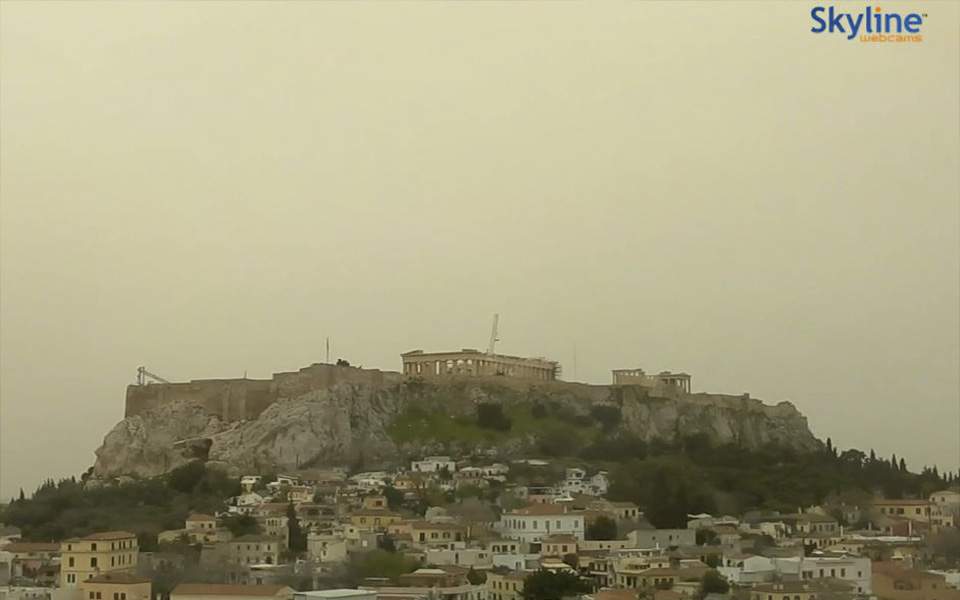
The cyclone Erminio caused streets to flood, closed some schools, and disrupted ferry services. Additionally, the island of Crete experienced dust storms from the Sahara on Wednesday, turning the sky a reddish-orange color.
Details of the Incident
Weather forecasts indicate that severe weather will continue in most areas of the country on Thursday, with expectations of heavy rainfall and thunderstorms, as well as the possibility of hail in some regions. The National Meteorological Service issued a red alert for the island of Crete, particularly in the western and southern areas, from noon until late at night.
The fire department received 674 calls for assistance from Wednesday until the early hours of Thursday, most of which were in the Attica region, including Athens, where the majority of requests were related to fallen trees. Strong winds have halted ferry operations in ports, with media reports indicating that some trips may resume on Thursday, depending on weather conditions.
Background & Context
Severe storms and harsh weather conditions are recurring phenomena in the Mediterranean region, where countries are affected by rapid climate changes. In recent years, Greece has witnessed several extreme weather events, including wildfires and floods, raising concerns about the impact of climate change on the area.
Historically, Greece has been prone to severe weather phenomena, but current climate changes have increased the frequency and intensity of these events. Studies have shown that rising temperatures and increased humidity may exacerbate storms and heavy rainfall.
Impact & Consequences
Analyses suggest that the current storms may cause significant damage to infrastructure, especially in areas with weak drainage systems. Furthermore, flooding may negatively affect the daily lives of residents, necessitating a swift response from local authorities.
Moreover, the recurrence of these severe weather phenomena could impact tourism, which is one of the main sources of the Greek economy. Tourists may avoid visiting affected areas during bad weather, which would affect local revenues.
Regional Significance
The phenomenon of desert dust affecting Crete is part of broader climate changes that may impact North African and Middle Eastern countries. Sand and dust storms can lead to deteriorating air quality, posing a threat to public health.
Additionally, the increasing severity of storms in the Mediterranean region may have indirect effects on Arab countries, potentially leading to an increase in climate migration as people seek to escape affected areas.
In conclusion, the recent climatic events in Greece highlight the urgent need for effective measures to combat climate change and adapt to changing weather conditions, ensuring the safety of populations and the sustainability of the economy.