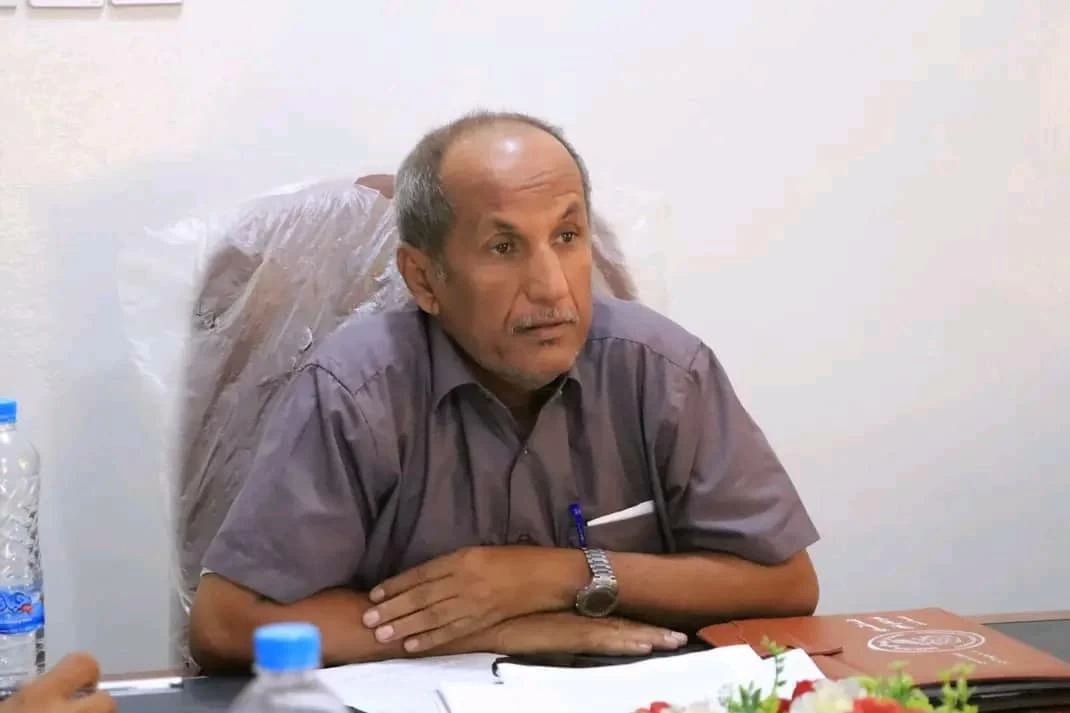
Brigadier General Saleh Ali Bilal, head of the preparatory committee for the Comprehensive Shabwa Conference, affirmed that the Shabwa Governorate today represents a cornerstone in defending Arab national security. He stressed that the people of Shabwa stand steadfastly alongside Saudi Arabia and the Gulf Cooperation Council (GCC) countries in confronting Iranian aggressions.
In a special interview with the newspaper Okaz, General Bilal stated: "History records that Shabwa was among the first governorates to break the Houthi advance since the beginning of 2015, and it continues to offer convoys of martyrs in the battle for dignity, recognizing that it represents the eastern land and maritime gateway to the Gulf and the Arabian Peninsula."
Details of the Event
General Bilal explained that Shabwa has provided a unique model by uniting all its political and social components under the umbrella of the Comprehensive Shabwa Conference, which has become the unifying framework authorized by all forces. He pointed out that the popular and political consensus has granted the governor of the province, Sheikh Awad Mohammed bin al-Wazir, absolute trust to lead this entity as the reference and community figure around which all elites and authority rally.
He added: "Our connection with the Kingdom and the Gulf countries is not merely geographical proximity; it is a bond of customs, traditions, interests, and a shared destiny. Shabwa is positively and negatively affected by what happens in its Gulf surroundings, and our recent statement embodies the spirit of brotherhood and absolute solidarity against any aggression that affects the security of our brothers."
Background & Context
Historically, Shabwa has played an important role in regional conflicts, being one of the first areas to confront the Houthi advance since the onset of the conflict in Yemen. This governorate has contributed to enhancing security and stability in the region, making it a strategic hub in defending Arab interests.
Moreover, the security situation in Shabwa reflects the challenges facing the region, where Arab countries are under pressure from regional powers seeking to destabilize stability. Therefore, Shabwa's stance reflects its commitment to regional and international alliances.
Impact & Consequences
General Bilal's affirmation of support for Saudi Arabia reflects the unity of Arab forces in the face of threats. This unity may contribute to strengthening joint efforts to address security challenges and reflects the desire of the people of Shabwa to maintain security and stability in the region.
Additionally, General Bilal's call for the free world to pressure Iran to end its interventions in neighboring affairs reflects the growing awareness among Arab countries of the importance of international cooperation in confronting regional threats.
Regional Significance
Shabwa's position represents strong support for Saudi Arabia and the Gulf Cooperation Council countries, thereby enhancing their position in confronting Iranian threats. This unity could contribute to regional stability and increase the chances of achieving peace.
In conclusion, General Bilal emphasized the importance of striving for a just peace that preserves the region's stability, reflecting the desire of the people of Shabwa to achieve security and peace in the area.