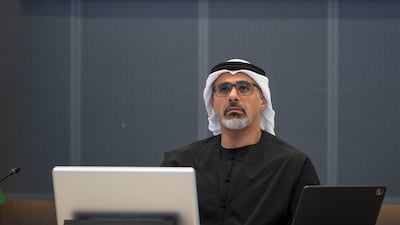
Sheikh Khalid bin Mohamed bin Zayed Al Nahyan, Chairman of the Abu Dhabi National Oil Company (ADNOC), held a meeting with senior executives to discuss resilience planning strategies. The meeting, held in Abu Dhabi, aims to enhance the company's ability to face future challenges.
During the meeting, current and future plans aimed at enhancing operational sustainability and improving performance amid changing energy market conditions were reviewed. The importance of innovation and technology in achieving these goals was emphasized, as ADNOC seeks to be at the forefront of global energy companies.
Event Details
Sheikh Khalid's meeting with ADNOC executives aligns with the UAE Vision 2030, which aims to achieve sustainable development across all sectors, including energy. The focus was placed on the importance of developing flexible strategies that ensure business continuity in the face of economic and environmental challenges.
The discussion also included ways to enhance collaboration among various departments within ADNOC to ensure the achievement of strategic objectives. Sheikh Khalid pointed out that ADNOC's success depends on the company's ability to adapt to rapid market changes and the necessity of investing in modern technology.
Background & Context
ADNOC was established in 1971 and has since become one of the largest oil and gas companies in the world. ADNOC strives for excellence in all aspects of its operations, including exploration, production, refining, and distribution. In recent years, the company has faced significant challenges due to fluctuations in global oil prices, prompting a reevaluation of its strategies.
The United Arab Emirates is one of the largest oil producers in the world, and ADNOC plays a vital role in the national economy. As global pressures to transition to renewable energy sources increase, ADNOC seeks to balance sustainability with profitability.
Impact & Consequences
The resilience planning discussed in the meeting is a strategically important step for ADNOC, as it can enhance its competitive ability in the global market. By focusing on innovation and technology, ADNOC can ensure the continuity of its operations and meet the changing market needs.
Furthermore, enhancing operational resilience can improve the company's response to crises, whether economic or environmental. This reflects ADNOC's commitment to sustainability and strengthens its position as a leader in the energy sector.
Regional Significance
ADNOC is a role model in the Arab region, as many countries seek to enhance their energy capabilities. The resilience strategies adopted by ADNOC can serve as an inspiration for other countries facing similar challenges in the energy sector.
Moreover, ADNOC's success in achieving its strategic objectives could contribute to enhancing economic stability in the region, benefiting other Arab countries that rely on the energy sector as a primary source of revenue.
In conclusion, Sheikh Khalid's meeting with ADNOC executives represents an important step towards enhancing the company's ability to face future challenges. The focus on innovation and resilience is vital to ensure operational sustainability and achieve strategic goals.