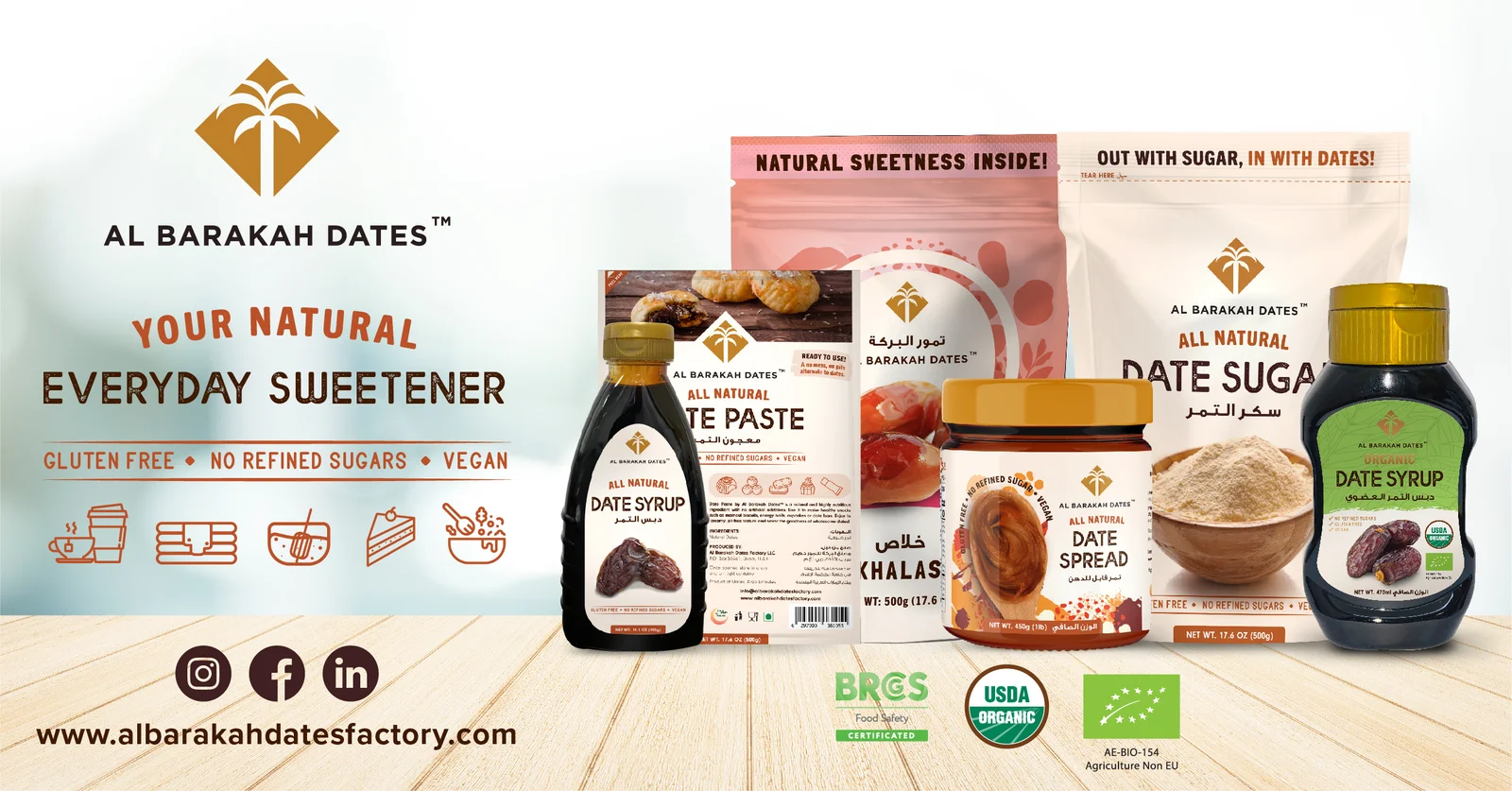
Sheikh Mohammed bin Zayed Al Nahyan, the President of the United Arab Emirates, visited Al Barakah, which is considered the largest date factory in the world. During the visit, Sheikh Mohammed reviewed the latest technologies used in the production and packaging of dates, praising the quality of Emirati products and their role in enhancing the national economy.
This visit comes at a time when the agricultural sector in the UAE is witnessing significant growth, as Sheikh Mohammed aims to support farmers and enhance local production. He emphasized the importance of innovation and technology in developing this vital sector.
Event Details
Sheikh Mohammed toured various sections of the factory, observing the production and packaging processes. He expressed admiration for the modern technologies employed, such as automated control systems that contribute to increasing production efficiency. A diverse range of dates produced at the factory, which are among the best in the world, was also showcased.
Sheikh Mohammed underscored the importance of dates as part of the Emirati cultural heritage, noting that supporting this sector contributes to preserving national identity and boosting the local economy. A detailed explanation was provided regarding the agricultural processes used in palm cultivation and date production, reflecting the UAE's commitment to enhancing food security.
Background & Context
Historically, palm cultivation and date production have been an essential part of Emirati culture. The history of palm cultivation in the region dates back thousands of years, with dates serving as a staple food. Over time, the UAE has become one of the largest date-producing countries in the world, exporting them to many nations.
The UAE seeks to enhance its position as a global hub for date production by investing in modern technology and developing agricultural methods. Studies have shown that dates contain numerous health benefits, increasing their demand in global markets.
Impact & Consequences
Sheikh Mohammed's visit to Al Barakah reflects the UAE's commitment to strengthening the agricultural sector and supporting farmers. This visit is expected to attract more investments to this sector, enhancing the UAE's ability to achieve self-sufficiency in food.
Moreover, supporting the date sector is considered a strategic step, as it can lead to increased job opportunities and improved living standards for farmers. Additionally, enhancing local production contributes to reducing reliance on imports, thereby stabilizing the national economy.
Regional Significance
The UAE's experience in developing the date sector serves as a model for other Arab countries. Other nations can benefit from this experience by investing in modern agricultural technology, contributing to enhancing food security in the region.
Furthermore, cooperation among Arab countries in agriculture can help achieve sustainable development, as food security is one of the main challenges facing the region. By exchanging expertise and technologies, Arab countries can strengthen their capacity to address these challenges.
In conclusion, Sheikh Mohammed bin Zayed's visit to Al Barakah reflects the UAE's commitment to enhancing the agricultural sector and supporting farmers. It also highlights the importance of innovation and technology in achieving sustainable development, contributing to food security in the region.