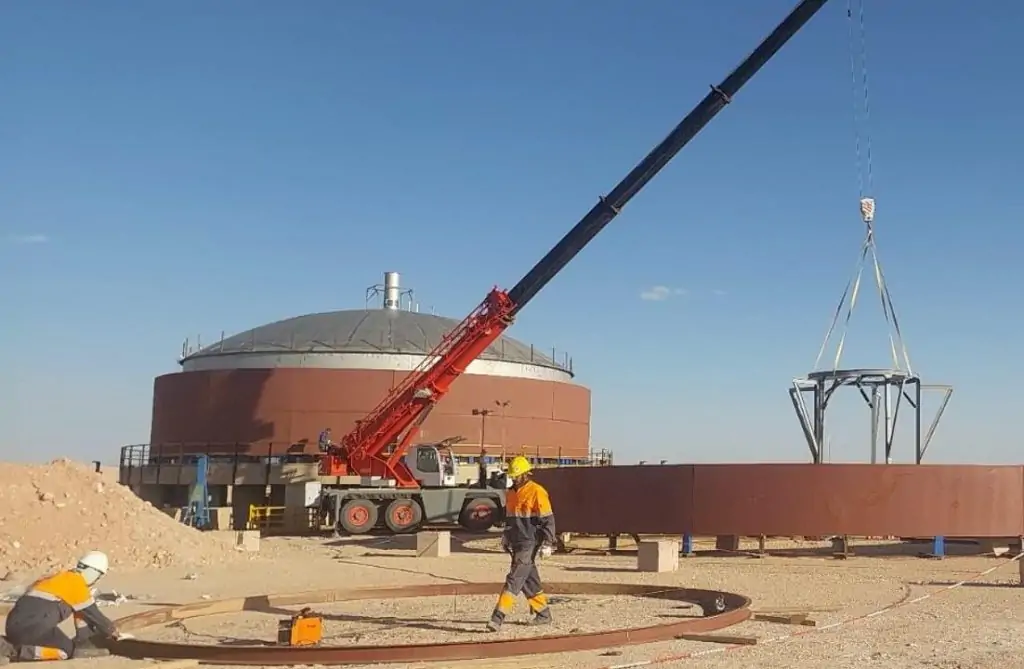
Shell's CEO, Wael Sawan, announced that the British company may decide on investing in two natural gas projects in Venezuela by the end of this year. This announcement was made during a discussion at CERAWeek in Houston, where he emphasized the importance of exploring new opportunities in the energy sector, especially in light of the changes occurring in the global market.
Venezuela is considered one of the largest natural gas producers in the world, possessing vast reserves of gas. However, the country's economic and political conditions have negatively impacted its ability to effectively exploit these resources. Therefore, Shell's decision to invest in these projects could represent a significant step towards enhancing local production and meeting the increasing energy demand.
Event Details
During his talk at the conference, Sawan confirmed that Shell is carefully studying the available opportunities in Venezuela, indicating that the company may make its final investment decision by the end of the year. He noted that these projects could include the development of new gas fields and improvements to the necessary infrastructure for gas transportation.
These statements come at a sensitive time, as many global companies are seeking to reassess their investments in Venezuela, especially after some international sanctions imposed on the country have been eased. Shell's interest in Venezuela reflects the desire of major companies to capitalize on the region's rich natural resources.
Background & Context
Historically, Venezuela has been regarded as one of the largest producers of oil and gas in the world, holding substantial reserves of both resources. However, political and economic crises have led to a significant decline in the country's production, affecting its ability to attract foreign investments. In recent years, the Venezuelan government has attempted to improve the business environment to attract investments, but challenges remain.
In 2019, the United States imposed stringent sanctions on Venezuela, significantly impacting the energy sector. However, with the change in the U.S. administration and the easing of some restrictions, some companies have begun to reconsider investment opportunities in the country. Shell's decision to invest in gas projects could signal the beginning of a shift in this direction.
Impact & Consequences
If Shell decides to invest in Venezuela, it could have a significant impact on the local economy. This investment is expected to create new job opportunities and enhance the energy infrastructure in the country. Additionally, increased production could help improve Venezuela's deteriorating economic situation, potentially contributing to the country's long-term stability.
Moreover, this investment could lead to increased competition in the global natural gas market, which may affect prices and strengthen Venezuela's role as a major energy supplier. However, the question remains about the stability of the political situation in the country, which could impact the sustainability of these projects.
Regional Significance
This news is important for the Arab region, as many Arab countries rely on oil and gas exports as a primary source of revenue. If Shell succeeds in investing in gas projects in Venezuela, it could lead to increased competition in the energy market, potentially affecting oil and gas prices in the region.
This development may also encourage Arab countries to enhance their investments in alternative and sustainable energy projects, given the challenges facing traditional energy markets. Strengthening cooperation among energy-producing countries could have a positive impact on the stability of global markets.