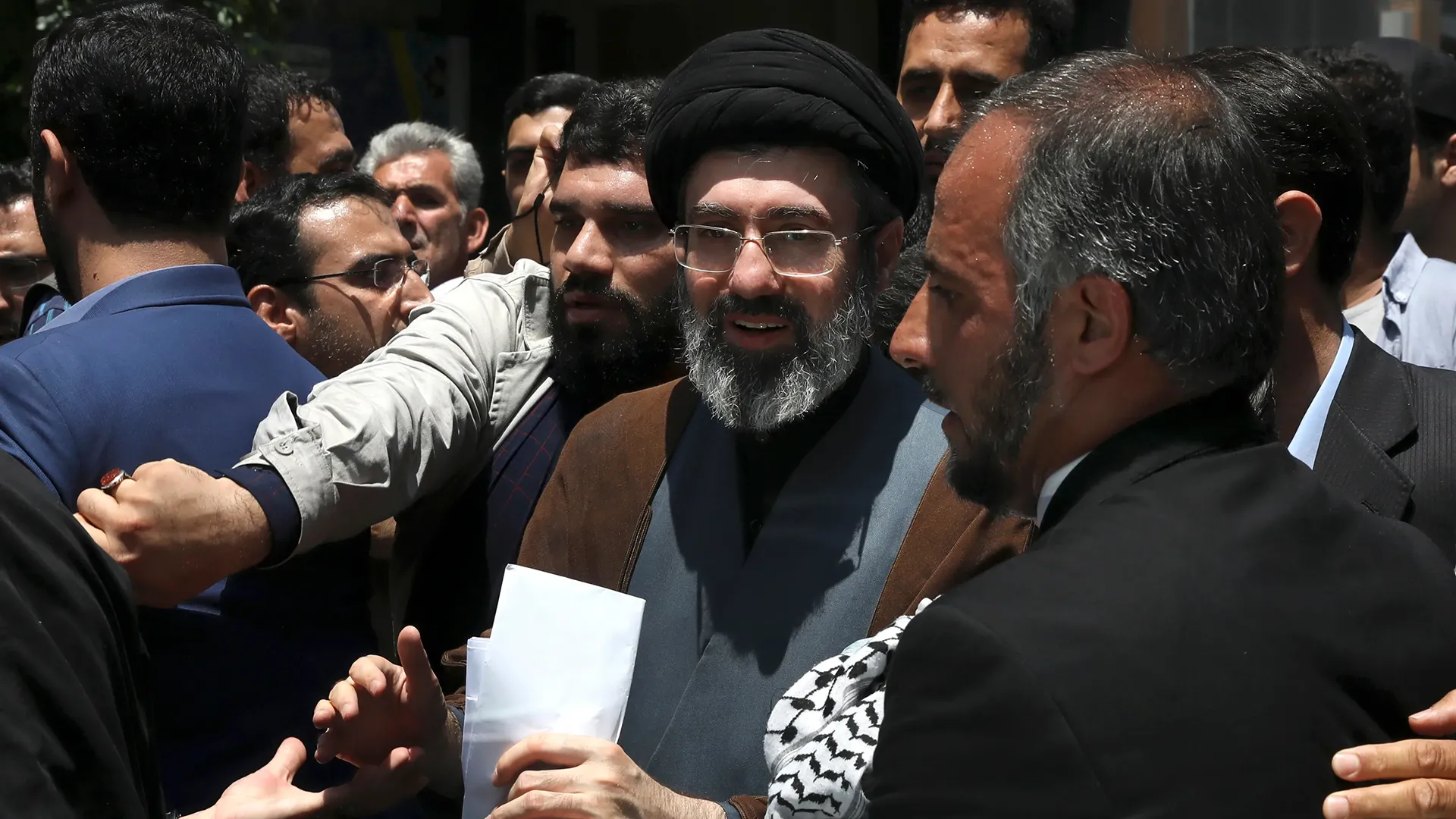
Iran's negotiations with the United States are increasingly dominated by military leaders loyal to the new Supreme Leader, Mojtaba Khamenei. This shift signifies a fundamental change in Iran's governance and foreign policy approach, as negotiations are no longer solely in the hands of politicians as they were in the past.
In an analysis published by Iranian affairs journalist Abdul Qadir Fayez, it was noted that the new Supreme Leader's men, who have military backgrounds, are currently managing both the war and negotiations. Fayez emphasized that this group of officials focuses on a single objective: the survival of the Islamic Republic, which complicates the nature of negotiations.
Details of the Situation
Fayez mentioned that the initial messages for negotiation reached Tehran through security channels, rather than traditional political avenues, indicating that the Ministry of Foreign Affairs was not the only entity involved in the negotiations. This serves as evidence that military leaders are currently determining the course of Iran's foreign policy.
In a related context, Axios reported from informed sources that the United States and regional mediators are awaiting a response from Iran regarding the possibility of a potential meeting tomorrow, Thursday. This comes as part of diplomatic efforts aimed at containing the repercussions of the American-Israeli war on Iran.
Background & Context
Historically, Iran has relied on a mix of diplomacy and military policy in dealing with international issues. However, with rising regional tensions, particularly following recent events in the Middle East, it has become clear that Iranian leadership is moving towards enhancing military control over foreign policy.
It is noteworthy that the new Supreme Leader's men, who have military backgrounds, have contributed to strengthening this trend. Their presence in positions of power reflects a shift in how Iran manages its external crises, complicating the political landscape in the region.
Impact & Consequences
This shift in managing negotiations may exacerbate conditions in the region, as military leaders tend to make more hardline decisions. Consequently, any negotiations may be subject to complications, potentially affecting regional stability overall.
Moreover, the presence of military figures in decision-making roles may limit the chances of reaching peaceful solutions. This could lead to escalating conflicts, especially given complex issues such as the Iranian nuclear program and tensions with the United States and its allies.
Regional Significance
The developments in Iran are of significant importance to the Arab region, as any escalation in the Iranian stance could impact regional security. Neighboring Arab countries, particularly those with ties to the United States, are closely monitoring these developments.
At the same time, the involvement of military leaders in negotiations may heighten tensions between Iran and Arab states, potentially leading to escalated conflicts in areas such as Iraq, Syria, and Lebanon.
In conclusion, the radical transformations in the management of Iranian negotiations indicate that the upcoming phase may be more complex, necessitating urgent actions from the international community to address these challenges.