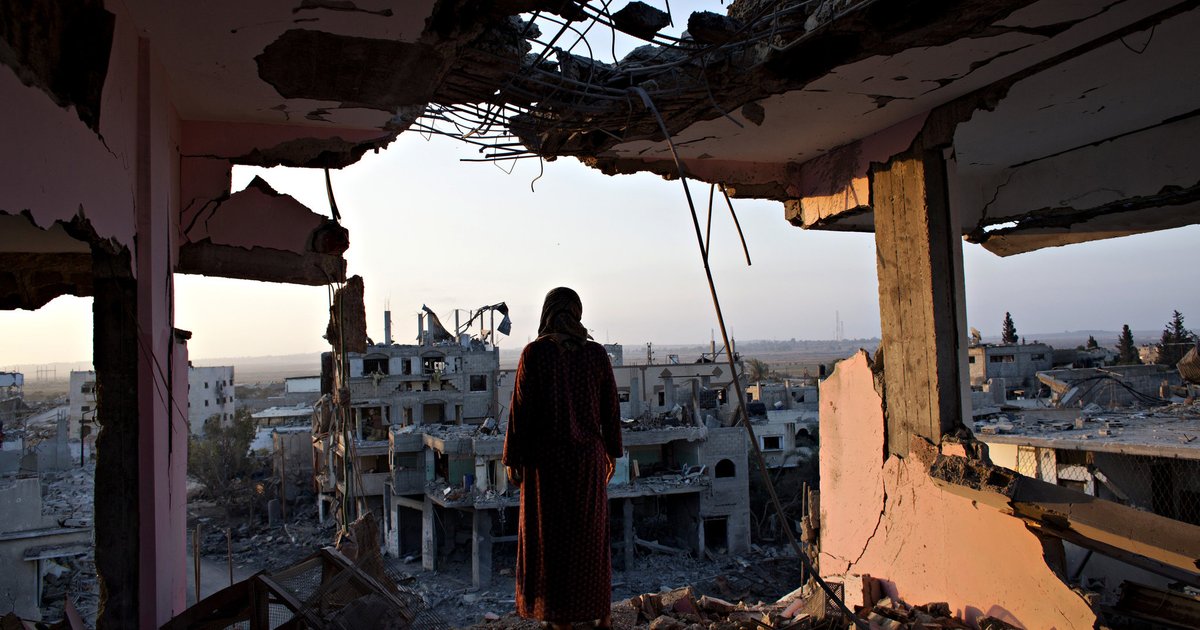
The European shift regarding the Gaza conflict reflects a significant change, moving beyond moral considerations to embrace new economic and strategic interests. This evolution indicates a rebalancing of humanitarian values and national interests among European nations.
In recent years, Europe has witnessed substantial changes in its positions towards conflicts in the Middle East, particularly with the escalation of events in Gaza. While there was broad support from some European countries for the Palestinian cause, rising tensions prompted these nations to reassess their stances in line with their economic and security interests.
Details of the Current Situation
Amid the ongoing war in Gaza, European countries have begun adopting more pragmatic positions. For instance, some governments have shown greater willingness to cooperate with Israel, which has drawn criticism from certain segments within European society. This trend reflects these countries' desire to maintain strong ties with Israel, viewed as a strategic partner in various fields, including security and economy.
These economic ties involve significant investments in technology and security, making it difficult for European nations to overlook economic interests when formulating political stances. Additionally, there is pressure from major corporations seeking to enhance their relationships with the Israeli market, further complicating the European position.
Background & Context
Historically, Europe has adopted supportive positions for the Palestinian cause, especially following events like the Al-Aqsa Intifada and the wars on Gaza in 2008 and 2014. However, regional and international dynamics have shifted, leading to a reevaluation of these positions. In recent years, European-Israeli relations have improved significantly, with numerous economic and trade agreements signed.
This shift was not unexpected, as many European countries face internal economic challenges, making them more sensitive to economic interests. Moreover, increasing security threats from extremist groups in the region drive European nations to bolster their cooperation with Israel.
Impact & Consequences
This shift in the European stance could lead to multiple outcomes. On one hand, it may heighten tensions between European countries and Arab nations, particularly those supporting the Palestinian cause. On the other hand, it could enhance economic relations between Europe and Israel, opening new avenues for cooperation across various sectors.
Furthermore, this trend may affect European public opinion, as some may feel disappointed by their governments' failure to uphold the humanitarian values they previously championed. This discontent could lead to protests and demonstrations in European streets, exerting additional pressure on governments to alter their positions.
Regional Significance
For the Arab region, the European shift could have significant repercussions. It may increase polarization between Arab countries and Western nations, fostering feelings of animosity towards the West. Additionally, this shift could undermine the position of Arab states striving for peace in the region, as they may feel that their support for the Palestinian cause is no longer receiving adequate attention.
Ultimately, the question remains as to how this shift will affect the future of the conflict in Gaza and the relationships between Arab nations and Europe. It is evident that economic and strategic interests play a substantial role in shaping European policies, making it essential to closely monitor these dynamics.