The New York Times has documented a radical change in the way the United States engages with wars during Donald Trump's presidency. Trump, who in his first term was convinced that "great nations do not fight endless wars," is now adopting an imperialistic approach that goes beyond merely managing conflicts to marketing them as part of a national strategy.
In an analytical piece titled "America Used to Conceal Its Wars, and Trump Does the Exact Opposite," writer Charles Homans noted that previous American presidents sought to beautify the image of military interventions or obscure their costs. However, Trump has turned war into a form of "digital content," severing the remaining ties between civic responsibility and state power.
Details of the Event
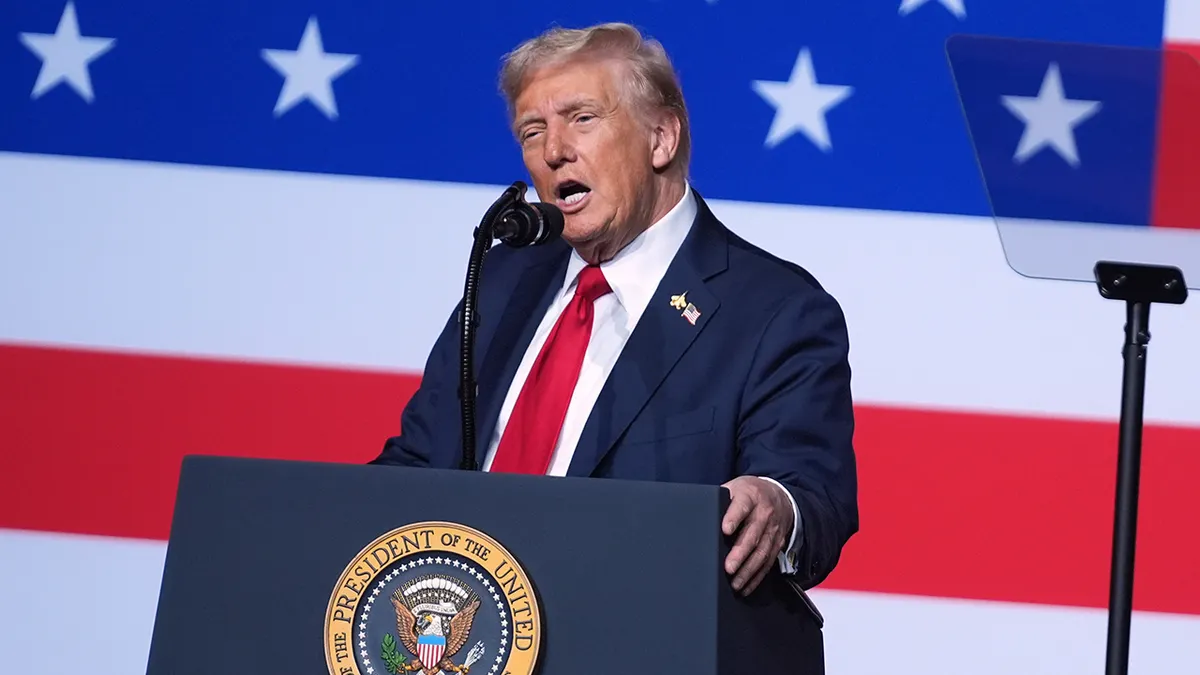
Homans referenced Trump's speech delivered from the White House on April 1, following 32 days of intense airstrikes on Iran. In this address, Trump attempted to give a historical tint to his actions, comparing his military campaign against Iran to major wars such as World War I and the Vietnam War.
Homans pointed out that Trump treats war as a series of "episodes" that unfold according to the logic of news feeds on social media. From this perspective, conflicts do not necessarily end with treaties or strategic victories but simply recede down the news list.
Background & Context
To understand how the United States arrived at this approach, Homans traced the methodology employed throughout the 20th and 21st centuries, where conscription was abolished and a professional army system was adopted. This shift has confined human losses to a small demographic slice, making war seem distant from the lives of most Americans.
Previous administrations also relied on the principle of economic ambiguity, where presidents shied away from "war taxes" and preferred to fund military operations through borrowing and printing money, thus obscuring the actual costs from taxpayers.
Impact & Consequences
Homans noted that the Obama administration (2009-2017) perfected what is known as "covert warfare," using drones to achieve its objectives without endangering American lives, thereby reducing casualties among them. However, Trump, in his second term, has embraced a long legacy of American imperialism, no longer content with merely managing "endless wars" but actively marketing them as well.
This contradiction manifested in Trump's aggressive stance during his second term, particularly in the ongoing war against Iran, where the content disseminated by the White House serves as a blatant justification for American hard power.
Regional Significance
This shift in American policy poses a significant challenge to Arab countries, as it may lead to escalated conflicts in the region and increased military interventions. Furthermore, this approach could exacerbate instability in the Middle East, negatively impacting regional security.
In conclusion, it appears that Trump has unleashed a new imperialistic tendency, raising questions about the future of American foreign policy and its impact on the world.