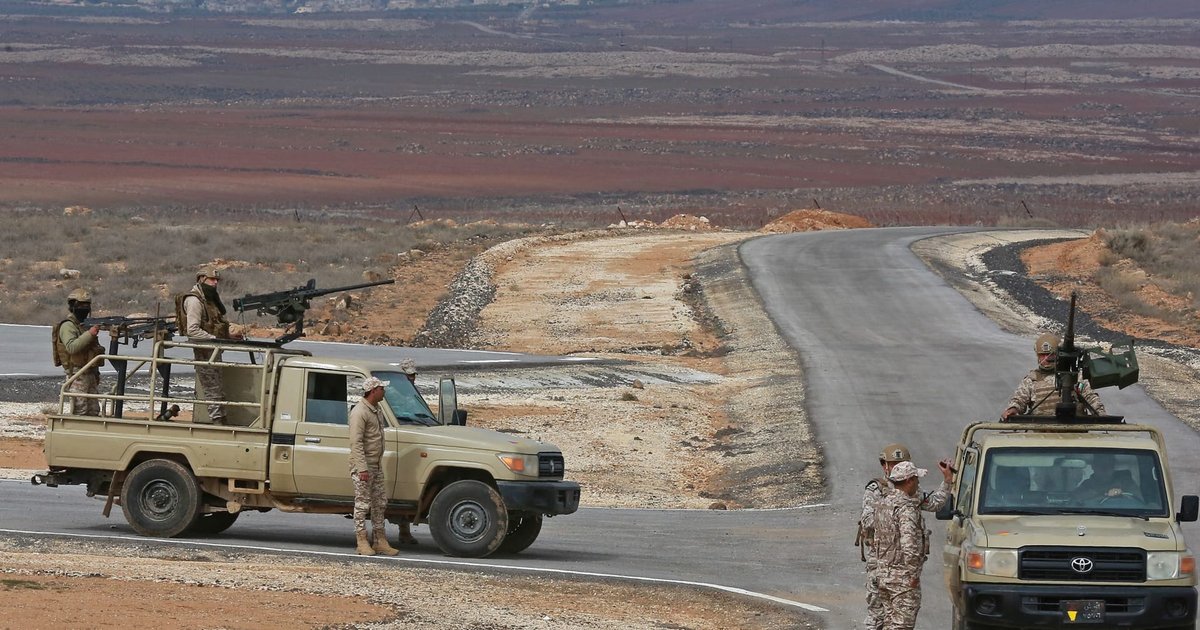
Jordan's official statements have recently shifted to directly address Iranian missile threats targeting its territory. This change comes amid rising regional tensions and public concern in Jordan. Citizens have noticed a significant change in the tone of official remarks, which no longer refer to the "Iranian missile movement" as a transient act but recognize it as a direct threat to national security. This shift reflects the Jordanian government's concern over the escalation of Iranian military activities in the region and their impact on Jordan's stability.
In recent days, the Jordanian authorities have issued more pointed statements regarding Iranian threats, raising questions about the seriousness of these threats. The change in official tone over Wednesday and Thursday indicates that the government is taking these threats seriously. This shift follows heightened tensions between the Popular Mobilization Forces in Iraq and Iran, leading to fears that these activities could extend to Jordanian territory.
Details of the Incident
Over the past three weeks, Jordanian authorities had been issuing brief statements about Iranian threats, which led to speculation about their seriousness. However, the recent change in tone suggests that the government is now taking these threats seriously. Reports indicate an increase in Iranian military activities, including missile launches towards the Jordanian border. This places Jordan in a sensitive position, as it must address external threats while trying to maintain internal stability.
Military reports have shown a rise in Iranian military activities, including missile launches aimed at the Jordanian border. This situation puts Jordan in a delicate position, as it must handle external threats while striving to maintain internal stability.
Background & Context
Historically, Jordanian-Iranian relations have been tense, particularly due to Iran's support for armed militias in Iraq and Syria. Recent years have seen an increase in Iranian activities in the region, prompting Jordan to bolster its defensive capabilities. In this context, Iranian threats are part of a broader strategy aimed at expanding Iranian influence in the Middle East.
As a U.S. ally, Jordan faces significant challenges in dealing with these threats. Regional tensions could affect the country's stability, necessitating proactive measures from the government to protect national security.
Impact & Consequences
The change in the tone of official statements may influence public opinion in Jordan, where citizens might feel anxious about the escalation of external threats. This concern could lead to increased pressure on the government to enhance national security, potentially requiring additional investments in defense and security. Furthermore, this situation may affect Jordan's relations with neighboring countries, particularly Iraq and Syria.
Moreover, rising tensions could lead to an escalation of conflicts in the region, placing Jordan in a difficult position. The Jordanian government needs to balance maintaining its relationships with regional and international powers while safeguarding its national security.
Regional Significance
This development in Jordan's official tone reflects a broader reality in the region, where tensions between regional powers are increasing. Iranian interventions in Iraq, Syria, and Lebanon directly impact the stability of neighboring countries, including Jordan. Additionally, the escalation of Iranian military activities could provoke reactions from Gulf Arab states, further complicating the regional landscape.
Ultimately, the question remains about how these changes will affect the Jordanian public and how the government will respond to these challenges. The shift in the tone of official statements may mark the beginning of a new phase of tensions in the region, requiring Jordan to take proactive steps to protect its security and stability.