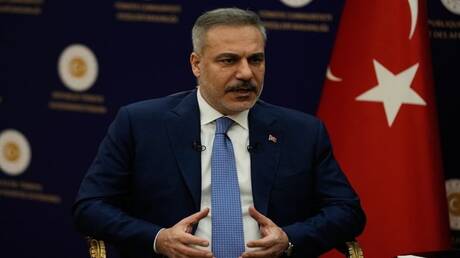
Turkish Foreign Minister Hakan Fidan has confirmed that the negotiation stances of both Washington and Tehran have changed significantly since the beginning of the war, complicating mediation efforts. In his statements, Fidan noted that these changes require new negotiation strategies from international mediators.
Fidan explained that the current situation necessitates all parties involved to reassess their positions and orientations, as changes in stances could significantly impact the course of negotiations. He emphasized that Turkey will continue its diligent efforts to end the conflict and achieve peace in the region.
Details of the Event
Fidan's remarks come at a sensitive time, as tensions escalate between the United States and Iran amid the ongoing war. The relationship between the two countries has deteriorated markedly, especially following the U.S. withdrawal from the Iranian nuclear deal in 2018. This withdrawal led to the imposition of strict economic sanctions on Iran, further complicating the situation in the region.
In this context, Turkey is striving to be an effective mediator in the peace process, hoping that its efforts will help alleviate tensions and achieve lasting stability. Ankara has expressed its readiness to host talks between the two sides in an attempt to bridge their differences.
Background & Context
Historically, relations between the United States and Iran have seen numerous fluctuations, with periods of cooperation and others of tension. Since the Iranian Revolution in 1979, relations have increasingly soured, impacting both regional and global security. With conflicts escalating in the region, it has become essential to seek diplomatic solutions.
Turkey, as a neighboring country to both Iran and the U.S., plays a pivotal role in these dynamics, seeking to balance its national interests with those of major powers. Ankara has demonstrated flexibility in handling regional crises, enhancing its role as a mediator.
Impact & Consequences
The changes in negotiation stances between Washington and Tehran could lead to widespread ramifications, not only at the bilateral level but also regarding regional stability. If tensions persist, we may witness an escalation in armed conflicts, which would affect security in the Middle East.
Moreover, the failure of negotiations could exacerbate humanitarian crises in countries affected by the conflict, necessitating international intervention. Therefore, the success of Turkish mediation efforts could have a positive impact on regional security.
Regional Significance
The situation between Washington and Tehran directly affects Arab countries, especially those suffering from conflicts. The tensions between the two powers could exacerbate crises in countries like Iraq, Syria, and Lebanon, where regional and international interests intersect.
If Turkey succeeds in making progress in negotiations, it could contribute to regional stability and enhance the prospects for peace in conflict-affected Arab nations. Thus, monitoring these developments will be essential for understanding the future of regional relations.
In conclusion, the changes in negotiation stances between Washington and Tehran present a significant challenge for international mediators and highlight the need for new strategies to achieve peace. Through its efforts, Turkey hopes to be part of the solution, reflecting its growing role in regional politics.