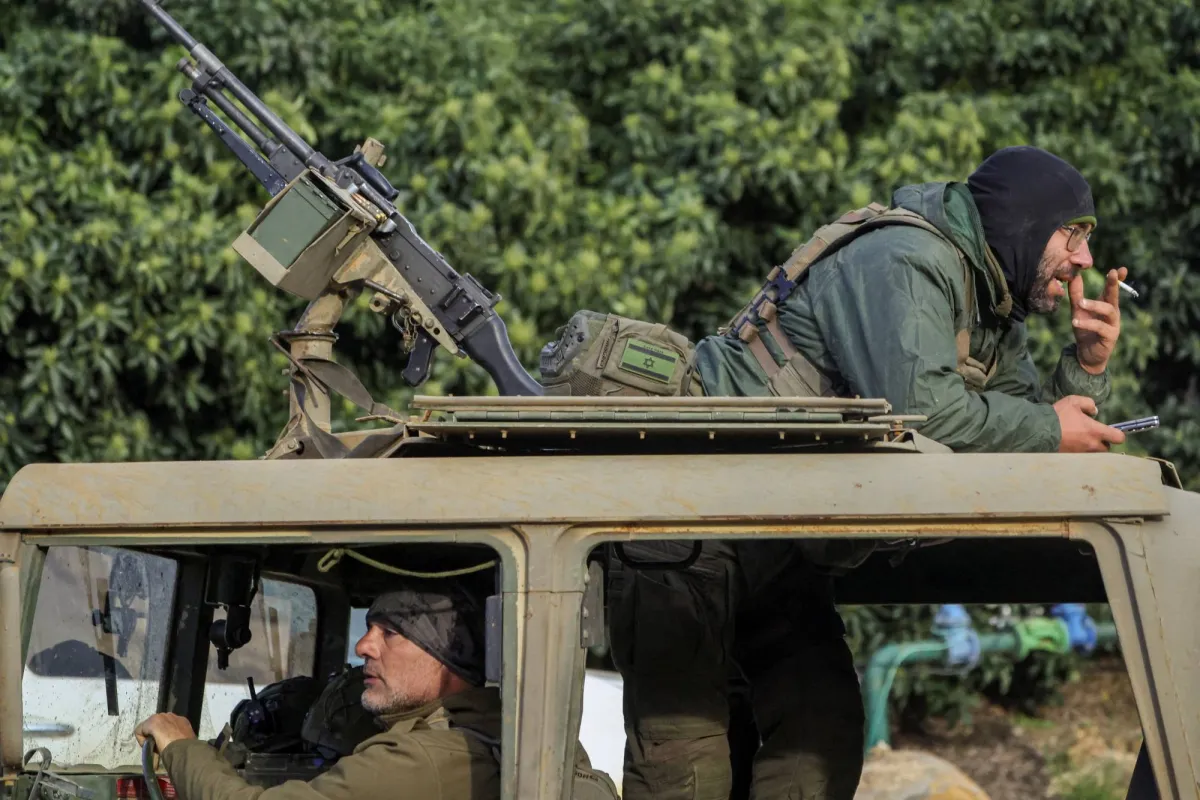
The confrontation between Israel and Hezbollah is witnessing significant transformations as both sides transition from traditional warfare to a multidimensional conflict, utilizing technology in military operations. As the war approaches its first month, the role of drones and new tactics is becoming increasingly prominent on the battlefield.
While Israel continues to use drones as an effective tool in warfare, both for reconnaissance and targeted assassinations, Hezbollah is developing a decentralized combat style, an approach that was not prominent in the previous war. This new dynamic reflects both parties' recognition that wars are not won on traditional fronts, but rather through accumulated points and gains.
Details of the Current Conflict
Military and strategic expert Brigadier General Hassan Jouni believes that both Hezbollah and Israel have made clear adjustments to their strategies compared to the previous war, benefiting from its lessons. He points out that geography remains a decisive factor in the course of military operations, with the border town of Khyam being a key point of engagement.
Brigadier General Jouni explains that Hezbollah has shifted to a more dynamic combat style, abandoning the 'static resilience' approach that previously caused high human losses. In contrast, the Israeli army employs a strategy aimed at testing Hezbollah's defensive readiness.
Context and Background
The tactics of the Israeli army in its current war do not differ significantly from those used in the previous 66-day war. Brigadier General Said Al-Qazah confirms that Israel continues to destroy everything related to the military capabilities of Hezbollah outside the battlefield, focusing on intelligence superiority and qualitative targets.
Israel continues to target the leadership structures and logistical means of Hezbollah, such as precision missile depots and launch platforms, in an attempt to create a geographically safe zone. This strategy aims to prevent fighters from using terrain and buildings for infiltration or launching anti-tank missiles.
Impact and Consequences
Despite military pressures, Israeli preemptive strikes have not succeeded in undermining Hezbollah's capabilities. Brigadier General Hassan Jouni notes that the ongoing clashes do not reach a decisive level, as both sides avoid engaging in a conclusive confrontation.
Hezbollah is currently focusing on short-range missiles to maintain pressure on Israel's northern front. This strategy complements Iranian strikes, increasing pressure on Israeli defense systems.
Regional Significance
Israel's systematic destruction policy in the current war is evident, as military operations extend beyond targeting Hezbollah positions to affect urban infrastructure and residential neighborhoods, hindering the return of residents and prolonging displacement. Lebanon, which has been unable to secure the necessary resources for reconstruction after the previous war, faces even greater challenges amid increasing losses.
Former Lebanese Minister Nasser Yassin points out a significant similarity in the destruction strategy between the past and current wars, focusing on bombing buildings and facilities allegedly belonging to Hezbollah. These operations could lead to high costs and additional direct losses amounting to billions of dollars.