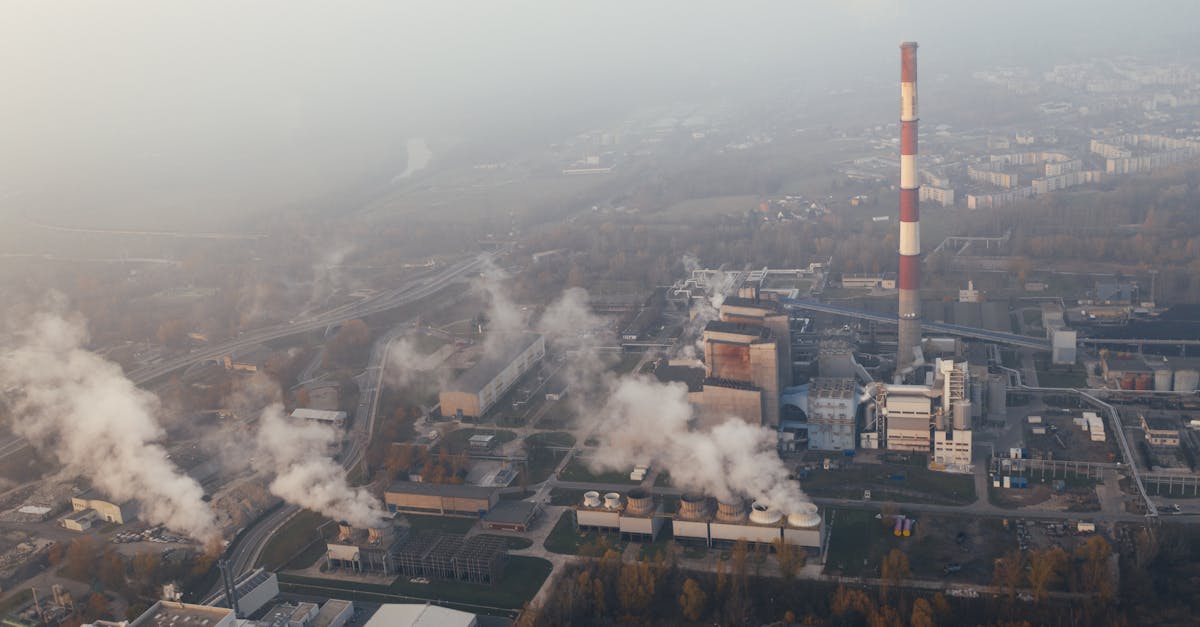
Some Asian countries are turning to coal as an alternative energy source amid the ongoing war in Iran, which has now entered its second month. This move comes at a time when the region is grappling with the repercussions of its reliance on fossil fuels imported from the Middle East, as the war significantly impacts energy supplies.
Asia is the primary destination for oil and gas flowing through the Strait of Hormuz, and its effective closure due to the conflict has had negative effects on energy supplies in the region.
Event Details
In response to the disruptions in energy supplies, some Asian countries have lifted restrictions on coal-fired power plants. For example, South Korea raised the production cap for coal power plants in mid-March, allowing energy providers to produce over 80% of their installed capacity.
Japan, which relies on imports for over 85% of its energy consumption, has also lifted restrictions on older coal plants, allowing them to operate at full capacity for a year. The Philippines has increased operations at coal plants after initially planning to reduce their use in favor of liquefied natural gas.
Background & Context
Historically, coal has been a fundamental part of the energy mix in Asia, although some countries like South Korea and Japan have committed to reducing its use. According to the International Energy Agency, fossil fuels and their products accounted for 49% of energy supplies in the Asia-Pacific region in 2023.
Some experts predict that coal plants will be utilized more extensively until global oil and gas supply chains are restored. The war may also slow down the reduction of coal use, as some governments might view coal as a safeguard against future energy crises.
Impact & Consequences
Dr. Victor Nyan from the Center for Strategic Energy and Resources anticipates that most Asian economies will recognize the serious environmental impacts of coal use. However, recent developments may push countries to consider that securing energy could take precedence over priorities to reduce carbon emissions.
While some prefer to increase the contribution of renewable energy sources, governments may find coal to be a reliable and affordable alternative to address the impacts of the conflict. Nevertheless, experts warn that prolonged reliance on coal could threaten the industrial competitiveness of Asian countries as the importance of carbon intensity grows in shaping global trade flows.
Regional Significance
Arab countries are also affected by the fallout from the conflict in the Middle East, facing rising energy import costs and supply shortages. This situation may prompt Arab nations to rethink their reliance on fossil fuels, particularly those that are imported.
Under these circumstances, there may be a push towards diversifying energy sources, including nuclear energy, which could provide a stable and low-carbon energy source. Arab countries might also benefit from regional cooperation to enhance access to clean energy alternatives.
In conclusion, the war in Iran represents a turning point in Asia's energy strategy and may lead to radical changes in how countries manage energy sources in the future.