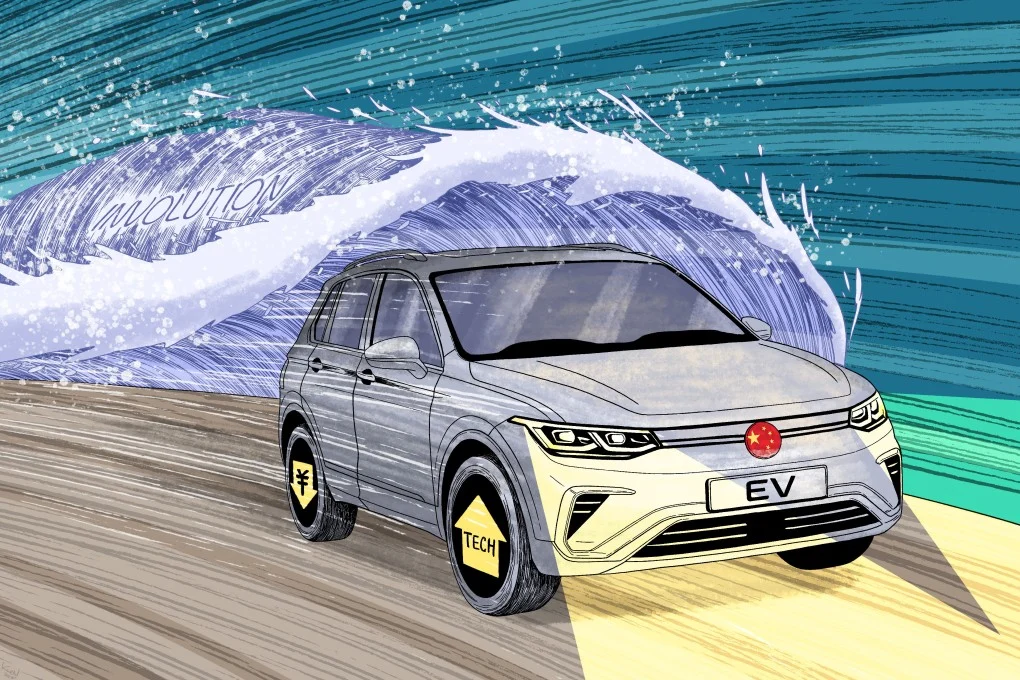
China's electric vehicle industry is entering a new phase where companies are focusing on providing advanced technologies at competitive prices. In a notable move, BYD, based in Shenzhen, has unveiled a new battery that can charge from 10% to 70% in just five minutes, reflecting a shift in market strategy.
This step comes at a time when competition among electric vehicle manufacturers is intensifying, with price wars beginning to wane in favor of technological innovation. BYD has confirmed that it will implement this technology in car models starting at 155,000 yuan (approximately $22,500), along with plans to build 20,000 charging stations across the country.
Event Details
At an event held in March, BYD showcased its new battery, which features unprecedented charging speed. The battery can reach 97% charge in just nine minutes, making it one of the fastest batteries on the market. This new technology is not only a competitive advantage but also reflects the company's commitment to providing sustainable solutions for consumers.
BYD aims to strengthen its position in the rapidly growing electric vehicle market, with expectations that electric vehicle sales in China will exceed 6.5 million units by the end of the year. These figures come amid increasing demand for electric vehicles, placing companies in front of new challenges related to innovation and technology.
Background & Context
Over the past few years, China has undergone a significant transformation in the electric vehicle industry, becoming a leader in this field. Supportive government policies and a shift towards clean energy have contributed to this growth. However, price wars among companies have posed a significant challenge, leading to reduced profit margins and heightened competition.
In this context, companies have begun to reassess their strategies, with technological innovation becoming key to survival in the market. Reports indicate that companies investing in research and development will be able to achieve a competitive edge in the future.
Impact & Consequences
Recent developments in the electric vehicle industry indicate a major shift in how companies compete. Instead of relying on price cuts, companies have started to focus on enhancing technology and offering new features to consumers. This shift could lead to improved quality and increased customer satisfaction, thereby enhancing companies' positions in the market.
Furthermore, this technological competition may accelerate innovation in battery technology, contributing to the development of more efficient and sustainable solutions. This, in turn, could impact the prices of electric vehicles in the future, as available options become more diverse and competitive.
Regional Significance
As China moves towards innovation in the electric vehicle industry, Arab countries are also seeking to enhance their investments in this sector. With increasing interest in clean energy, Arab nations could benefit from Chinese experiences in developing new technologies.
Investment in electric vehicle charging infrastructure could have a significant impact on the environment and the economy in the region. By promoting the use of electric vehicles, Arab countries can reduce carbon emissions and achieve sustainable development goals.
The shift towards technological innovation in China's electric vehicle industry represents an important step towards a more sustainable future. As competition continues, further developments are expected that will impact the global market, including the Arab region.