Israel is moving towards a new framework for the conflict in Southern Lebanon, focusing on security control rather than traditional occupation. This shift reflects a change in conflict management philosophy, emphasizing security dominance and the reshaping of geography and demographics.
According to official statements, Israel does not seem to seek to reproduce the model of traditional occupation, but rather is heading towards a different equation represented by security control without full occupation of the land. This transformation indicates not just a change in tactics, but a shift in the philosophy of conflict management.
Details of the Event
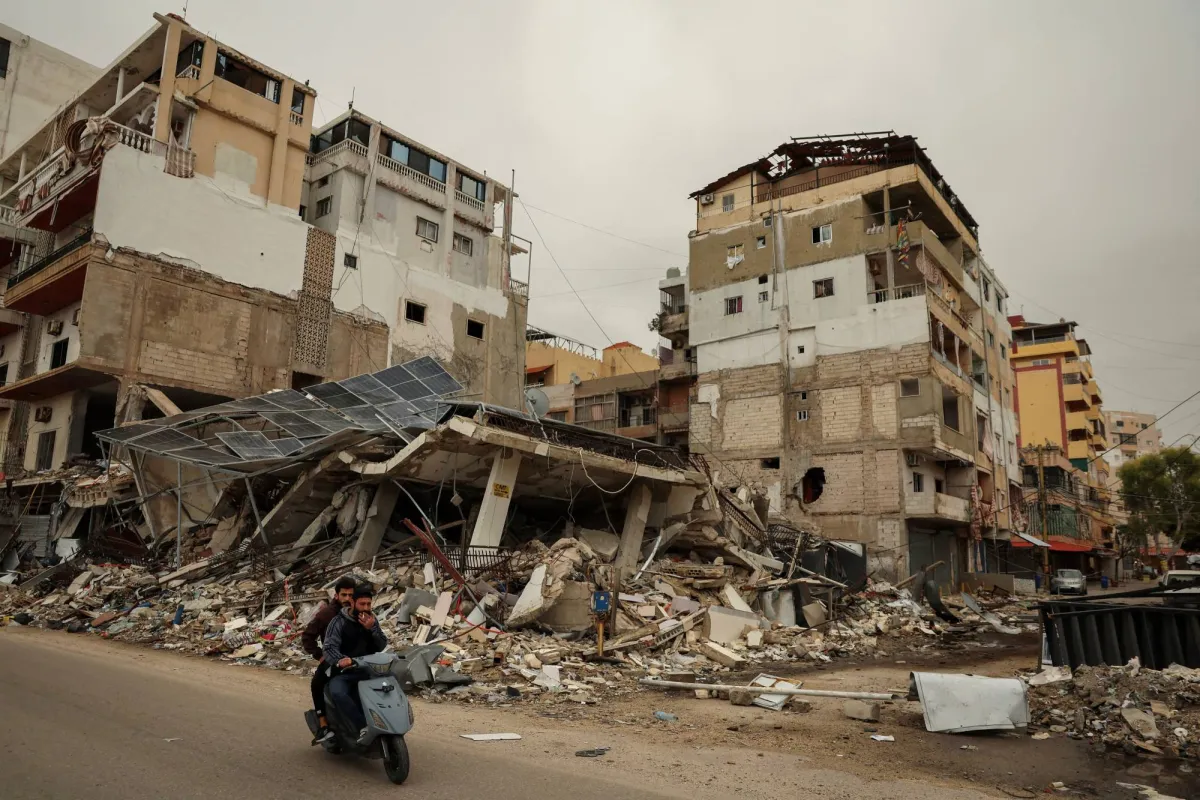
At the heart of this transformation is the concept of the security belt, which has returned to the forefront in a form different from that which prevailed before 2000. Israeli Prime Minister Benjamin Netanyahu has spoken about expanding the security belt in Southern Lebanon, while Defense Minister Israel Katz emphasized the disarmament of Hezbollah, indicating that houses used as party positions will be destroyed according to the model of Rafah and Khan Younis.
Despite the escalation, Israel asserts that it does not seek full occupation of Lebanon, as reported by the newspaper Haaretz, citing the Israeli army that this option is not a goal of the war. However, disarming Hezbollah may theoretically require that, reflecting a contradiction in Israeli strategy.
Background & Context
An informed source on the ground reality indicates that Israel seeks to reoccupy 18 strategic sites it controlled before 2000, such as Al-Bayyadah, Shama, and Beit Leif. The goal here is not broad military deployment, but rather to impose comprehensive fire supervision over the entire Nabatieh district, allowing control of the field without the need for permanent presence.
Israel aims to manage the south from the heights and strategic points, making fire control an alternative to direct control of the land. The discussion about preventing the return of approximately 600,000 Lebanese is not limited to the border strip but extends to a broader geographical scope, reflecting a trend towards reshaping the demographic map.
Impact & Consequences
In a broader reading, retired Brigadier General Naji Malaab indicates that what is happening cannot be understood within the framework of traditional military control, but rather in the context of security dominance. This concept is based on two parallel scenarios: either a direct military presence managing the area or establishing a buffer zone based on scorched earth.
The Israeli proposals show a variation, but they converge on one goal, which is to impose continuous security control, whether from within the land or from outside it. Traditional military control is evident in Israel's focus on the "five hills" adjacent to the borders, which provide extensive fire supervision over the Galilee and Southern Lebanon.
Regional Significance
The "Iran Support War" launched by Hezbollah through rockets towards Israel has raised questions about the success of this support militarily and politically. While some see that Hezbollah has succeeded in distracting Israel, it has not reached the level of strategic resolution. Retired Major General Abdul Rahman Shhitali believes that Hezbollah remains a winner, despite the significant losses suffered by its environment.
Iran has benefited from opening the southern front, where Hezbollah's involvement has led to the distraction of Israeli military capabilities. At the same time, forecasts indicate that Lebanon may be the biggest loser if the war continues without resolution, threatening the collapse of the Lebanese state under the weight of the conflict.