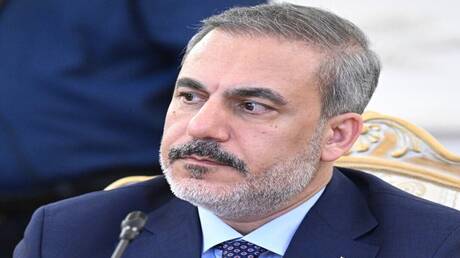
Turkish Foreign Minister Hakan Fidan reported that the positions of the United States and Iran have undergone notable changes in light of recent developments in the Arab Gulf, compared to their pre-war stances. These statements come at a time when the region is experiencing significant geopolitical transformations, raising questions about the future of relations between major powers in the area.
Fidan emphasized that the current situation necessitates a reassessment of the policies and strategies employed by both the United States and Iran, noting that the conditions that prevailed before the war are no longer in place. These remarks reflect Turkey's concerns regarding the implications of ongoing conflicts in the region and their impact on regional security.
Details of the Event
The Turkish Foreign Minister's statements come at a sensitive time, as tensions between the United States and Iran escalate following a series of consecutive events, including attacks on oil facilities in the Gulf and mutual targeting operations. These incidents have led to heightened political stances between the two parties, raising fears of an escalating conflict in the region.
Fidan also pointed out that the United States and Iran may be moving towards more cautious positions in their dealings with each other, especially under increasing international pressures. These pressures could lead to a reevaluation of the military and diplomatic strategies employed by both sides.
Background & Context
Historically, relations between the United States and Iran have been characterized by tension and conflict, especially following the Iranian Revolution in 1979. Since then, the region has witnessed numerous conflicts and wars that have directly impacted relations between major powers. The war in Iraq, the conflict in Syria, and the Iranian nuclear program have been among the factors complicating these relations.
In recent years, the United States and Iran have attempted to reach diplomatic agreements, but these efforts have often faced obstacles. The Iranian nuclear deal reached in 2015, from which the United States withdrew in 2018, marked a turning point in relations between the two parties, exacerbating tensions.
Impact & Consequences
The changes in the positions of the United States and Iran could significantly affect security and stability in the Gulf region. If tensions continue to escalate, we may witness military escalation leading to new conflicts, which would impact the global economy, particularly in the energy sector.
Furthermore, these changes may affect U.S. allies in the region, such as Saudi Arabia and the United Arab Emirates, who rely on Washington's support in facing Iranian threats. Iran may also seek to strengthen its relations with other countries in the region, potentially altering the regional balance of power.
Regional Significance
For Arab countries, the changes in the positions of the United States and Iran may mean a reevaluation of their security and diplomatic strategies. Countries that are in the conflict zone, such as Iraq and Syria, may find themselves in a difficult position, needing to balance their national interests with external pressures.
These developments could also affect peace and stability efforts in the region, as negotiations among various parties may become more complicated amid rising tensions. It is crucial for Arab nations to remain vigilant to these changes and work to enhance regional cooperation to face future challenges.
In conclusion, Turkish Foreign Minister Hakan Fidan's statements represent a starting point for understanding the geopolitical changes in the Gulf region. The positions of the United States and Iran are shifting, requiring all concerned parties to rethink their strategies to ensure security and stability in the area.