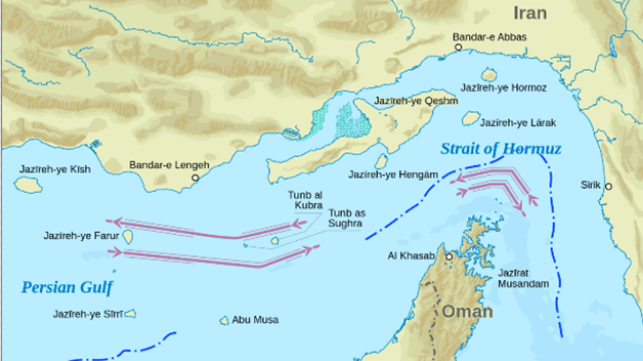
The United Nations reports a sharp decline of 95.3% in ship traffic through the Strait of Hormuz since the outbreak of the war initiated by the United States and Israel against Iran. This was revealed during the daily press briefing by UN Secretary-General spokesperson Stefan Dujarric, who noted that this decline reflects the impact of the conflict on maritime trade in the region.
The Strait of Hormuz is one of the most important waterways in the world, with approximately 20% of global oil passing through it. The escalating tensions between Iran and Western countries have led to a significant decrease in maritime traffic, raising concerns about the potential impact on global oil markets.
Details of the Event
Dujarric disclosed that data from the United Nations Conference on Trade and Development indicates a notable reduction in ship traffic through the strait, reflecting the direct impact of the conflict on international trade. This decline is not limited to commercial vessels but also includes oil tankers, complicating the economic situation in the region.
He also pointed out that this decrease in maritime traffic could lead to rising oil prices due to the heavy reliance on these routes for supply transport. Many countries have expressed concern over this situation, as it could exacerbate economic crises in oil-importing nations.
Background & Context
The roots of the conflict trace back to long-standing tensions between Iran and the United States, with relations between the two parties escalating significantly since Washington's withdrawal from the Iranian nuclear deal in 2018. Since then, the United States has imposed strict sanctions on Iran, affecting its economy and leading to heightened military tensions.
In recent years, the region has witnessed numerous maritime incidents that have intensified tensions, including attacks on oil tankers. These events have led to increasing concern among neighboring countries, prompting them to take additional security measures to protect their economic interests.
Impact & Consequences
The decline in maritime traffic through the Strait of Hormuz serves as a wake-up call for global economies, as it could lead to rising oil and gas prices. This situation directly impacts oil-importing countries, increasing energy costs and affecting economic growth.
Furthermore, the continuation of this decline may exacerbate humanitarian crises in the region, as many countries rely on oil supplies to meet their basic needs. Therefore, the situation requires an urgent international response to alleviate tensions and ensure the stability of maritime trade.
Regional Significance
The Arab countries neighboring the Strait of Hormuz are among the most affected by this decline, as many of them depend on oil exports. If this situation persists, Gulf countries may face significant economic challenges, potentially leading to worsening financial and social crises.
Additionally, this situation could impact regional security, as it may lead to escalating conflicts among countries in the area. Thus, dialogue and cooperation among the concerned nations have become essential to avoid further escalation.
In conclusion, the significance of the Strait of Hormuz as a vital corridor for global trade is highlighted, and the international community must work to ensure freedom of navigation in this sensitive region to avoid any negative repercussions on the global economy.