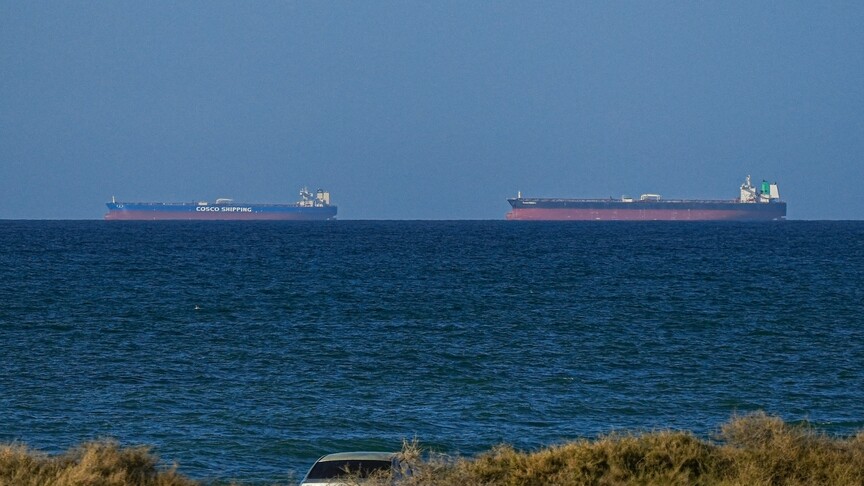
The United Nations has reported that ship traffic through the Strait of Hormuz, one of the world's most crucial waterways, has decreased by 95.3% since February 28. This sharp decline comes amid rising military tensions in the region, raising significant concerns about global trade stability and food supply security.
According to a UN spokesperson, this drop in ship traffic coincides with a 6% increase in food prices, reflecting the direct impact of ongoing events on global markets. The Strait of Hormuz is a vital transit point for oil and gas, with approximately 20% of the world's total oil passing through it.
Details of the Event
Concerns are growing that the continued decline in ship traffic may exacerbate economic crises in many countries, particularly those heavily reliant on imports. This situation could also contribute to rising global prices for essential goods, adversely affecting the most vulnerable segments of society.
Reports indicate that this decline in ship traffic may be a result of increasing threats from certain parties in the region, causing companies to hesitate in sending their vessels through this vital waterway. This has led some countries to take precautionary measures to ensure the safety of their shipments.
Background & Context
The Strait of Hormuz is a narrow waterway separating Iran from Oman and is considered one of the busiest maritime routes in the world. Historically, the strait has witnessed numerous military tensions, especially during periods of conflict between Iran and Western nations. In recent years, tensions have escalated due to Iranian military activities, heightening fears of disruptions to shipping traffic.
In 2019, the strait experienced a series of attacks on oil tankers, raising international concern and prompting some countries to bolster their military presence in the region. These events contribute to creating an unstable environment that affects global trade flows.
Impact & Consequences
This decline in ship traffic could have serious repercussions for the global economy, as many countries depend on oil and gas supplies from the region. Rising prices may lead to inflation in several nations, placing additional pressure on both governments and consumers.
Moreover, the increase in food prices could worsen humanitarian conditions in some countries, particularly those suffering from economic crises or conflicts. It is crucial for governments to take urgent steps to address these challenges, including enhancing food security and providing support to the most affected groups.
Regional Significance
The Arab countries neighboring the Strait of Hormuz are among the most affected by this situation, as many of them rely on oil and gas exports. Any disruption in shipping traffic could directly impact the economies of these nations, raising concerns about worsening economic crises.
Additionally, the rise in food prices may lead to increased social protests in some countries, placing governments in a difficult position. It is essential for Arab nations to remain vigilant to these developments and collaborate to enhance security and stability in the region.