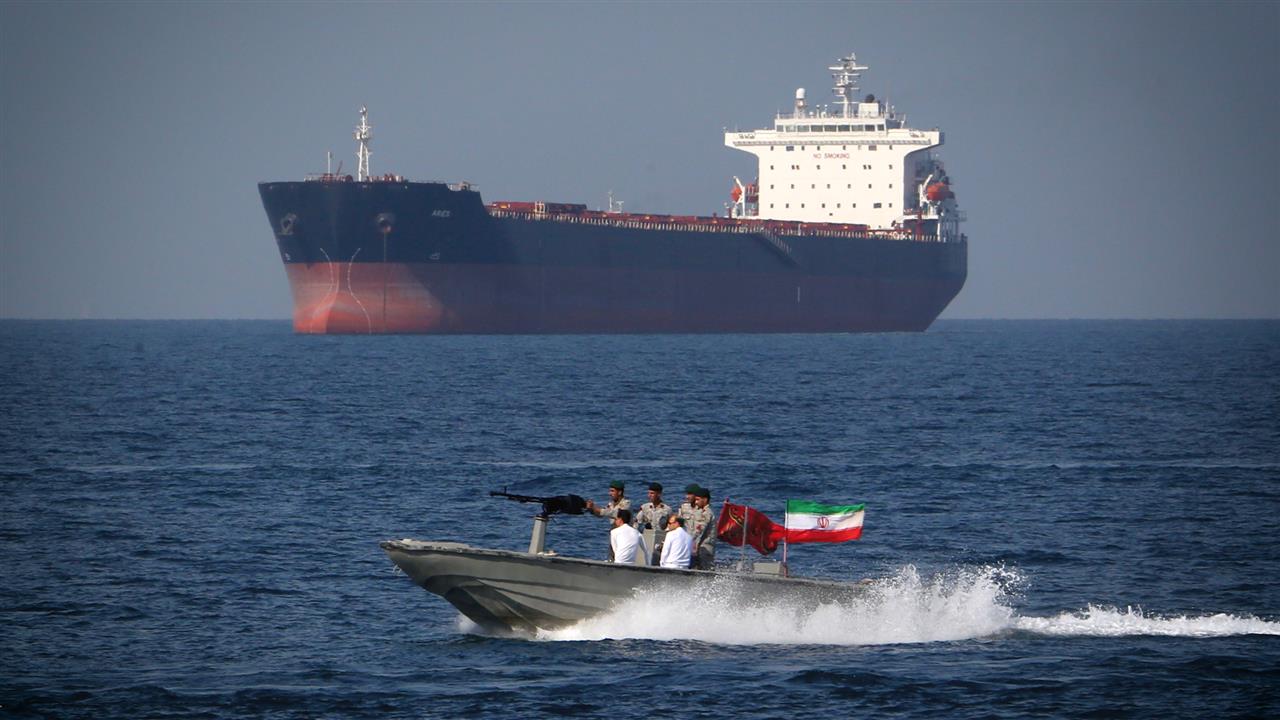
Shipowners are currently trying to understand the details of the announced ceasefire, which may allow them to extract over 800 vessels stranded in the Strait of Hormuz. This ceasefire comes at a critical time, as the region is witnessing rising tensions that affect maritime navigation.
This step is seen as a golden opportunity for the owners, as many ships have been stuck for a long time due to the tense security conditions in the area. Owners hope to take advantage of this opportunity to resume operations of the trapped vessels, which could help alleviate the financial burdens they have incurred due to the halt in their activities.
Details of the Ceasefire
The announced ceasefire is related to ongoing negotiations between the concerned parties, as the involved nations seek to achieve stability in the region. It has been indicated that this ceasefire may be temporary, putting shipowners in a state of anticipation and waiting.
Owners are working to study the precise conditions of this ceasefire, as they seek to understand how it will affect the movement of ships. If the negotiations succeed, they may be able to recover the stranded vessels as quickly as possible.
Background & Context
The Strait of Hormuz is one of the most important waterways in the world, through which about 20% of the total global oil trade passes. Historically, this strait has witnessed many crises and political tensions that have affected maritime navigation.
In recent years, tensions in the region have escalated due to political disputes between major countries, leading to increased risks for commercial vessels. These conditions have resulted in a decline in maritime traffic, negatively impacting the global economy.
Impact & Consequences
If the ceasefire succeeds, it could help alleviate economic pressures on shipowners and restore confidence in maritime navigation through the Strait of Hormuz. Additionally, the resumption of ship movement could lead to stability in oil prices in global markets.
On the other hand, any setbacks in the negotiations could exacerbate the situation, negatively impacting the global economy and increasing tensions in the region.
Regional Significance
These events are particularly significant for Arab countries, as many of these nations rely on maritime traffic through the Strait of Hormuz to export oil and gas. Any disruptions in this strait could directly affect the economies of these countries.
Therefore, the success of the negotiations and achieving stability in the region is vital for preserving Arab interests and enhancing cooperation among the concerned nations.
In conclusion, hope remains pinned on the success of the ceasefire and the opening of the Strait of Hormuz, which could help alleviate the economic burdens on shipowners and promote stability in the region.