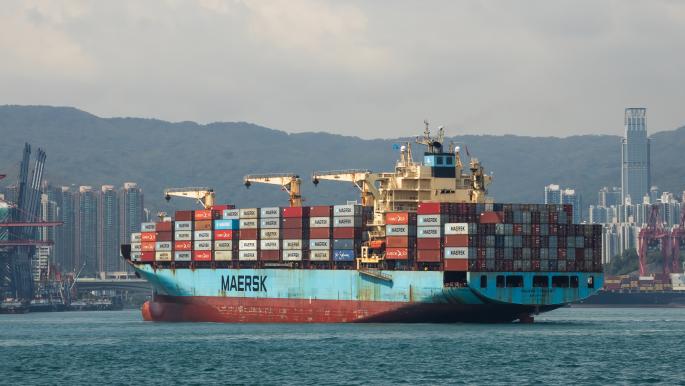
Maersk, a leader in maritime shipping, has announced that shipping traffic in the Strait of Hormuz is facing a state of near-complete halt due to the repercussions of the Iranian war. These conditions have greatly affected maritime trade, posing a threat to global market stability.
The Strait of Hormuz is a vital point in global shipping, through which approximately 20% of the total oil transported by sea passes. As tensions in the region escalate, fears of negative impacts on maritime shipping have increased, prompting Maersk to take urgent steps to resume its shipping lines in the Red Sea.
Details of the Situation
Reports indicate that the conflict in Iran, which has escalated over the past few weeks, has led to the closure of several vital maritime corridors. Maersk has confirmed that these conditions have resulted in significant shipment delays, affecting global supply chains. The company is also assessing the current situation in the Strait of Hormuz and exploring alternative routes to ensure the continuity of its services.
Meanwhile, Maersk is seeking to resume its services in the Red Sea, as this area is considered a potential alternative to alleviate the pressure caused by tensions in the Strait of Hormuz. However, the resumption of these services depends on the stability of security conditions in the region.
Background & Context
Historically, the Strait of Hormuz has been a strategic point for decades, witnessing numerous conflicts that have impacted shipping traffic. The current conflict in Iran adds a new layer of complexity to the existing situation, as fears of escalating military tensions grow.
It is noteworthy that many other global companies have also been affected by this situation, highlighting the importance of the Strait of Hormuz in the global economy. There have been international calls for de-escalation and dialogue to avoid exacerbating the situation.
Impact & Consequences
The repercussions of the halt in shipping traffic in the Strait of Hormuz extend beyond regional borders, affecting global oil prices and increasing uncertainty in the markets. If these conditions persist, we may witness a rise in oil prices, which would impact the global economy as a whole.
The effects may also include increased shipping costs, negatively impacting consumers worldwide. Companies that rely on maritime shipping may have to seek alternatives, further increasing pressure on supply chains.
Regional Significance
For Arab countries, the halt in shipping in the Strait of Hormuz represents a significant challenge, especially for those that rely on oil as a primary source of revenue. These conditions could lead to economic fluctuations in the region, necessitating urgent measures to maintain stability.
Moreover, the rising tensions in the region may affect relations between Arab countries and Iran, complicating the political landscape. The current situation requires Arab countries to enhance cooperation among themselves to face the challenges arising from these conditions.
In conclusion, the situation in the Strait of Hormuz remains under observation, as concerns grow over negative impacts on global trade. Companies and concerned nations must take proactive steps to address these challenges.