Shipping Movement Resumes in Strait of Hormuz After Agreement

Significant breakthrough in the Strait of Hormuz as US-Iran ceasefire allows hundreds of tankers to cross.

Shipping Movement Resumes in Strait of Hormuz After Agreement

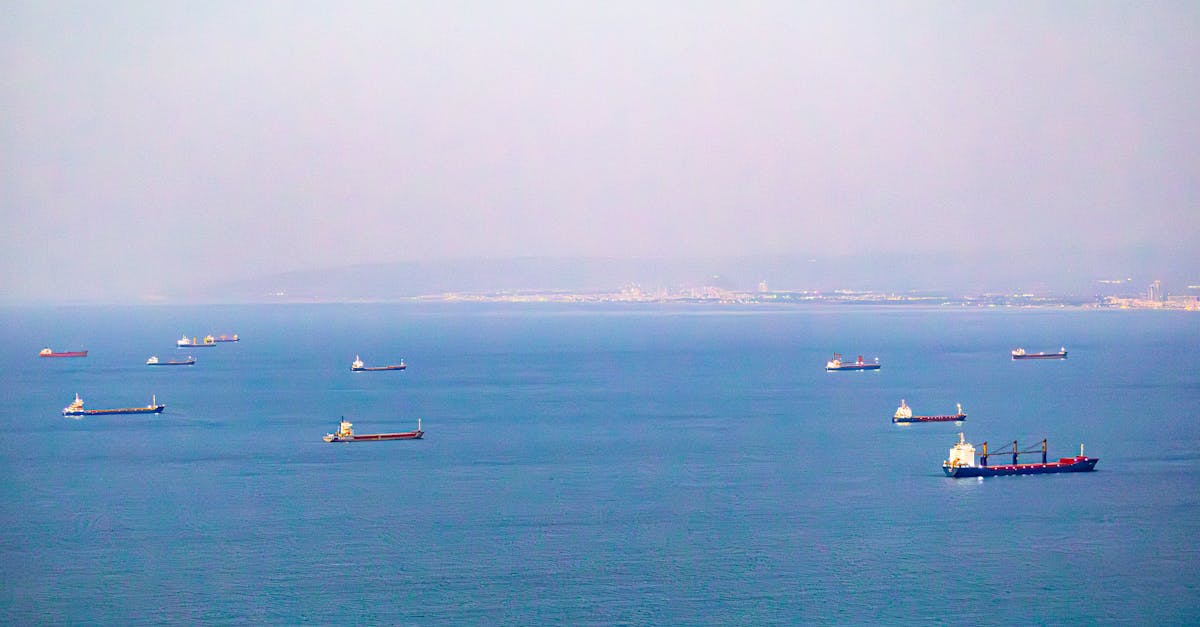
The maritime shipping activity in the Strait of Hormuz sees a significant breakthrough following a two-week ceasefire agreement between the US and Iran, allowing hundreds of oil and gas-laden ships to cross. Approximately 450 tankers, including 426 oil tankers, 34 liquefied petroleum gas carriers, and 19 liquefied natural gas vessels, are awaiting the green light to transit.

In a related context, Al Jazeera's open-source unit has observed limited crossing activity, with the first ships passing through the strait amid hopes of solidifying the truce. The vessel

What is the Strait of Hormuz?
The Strait of Hormuz is a strategic waterway connecting the Arabian Gulf to the Gulf of Oman and is one of the most important maritime passages in the world.
Why is this agreement important?
Because it may help ease tensions between the US and Iran, affecting shipping movement and energy markets.
What are the potential consequences of this breakthrough?
It could lead to increased shipping activity and stabilize oil prices, benefiting oil-producing economies.

· · · · · · · · ·