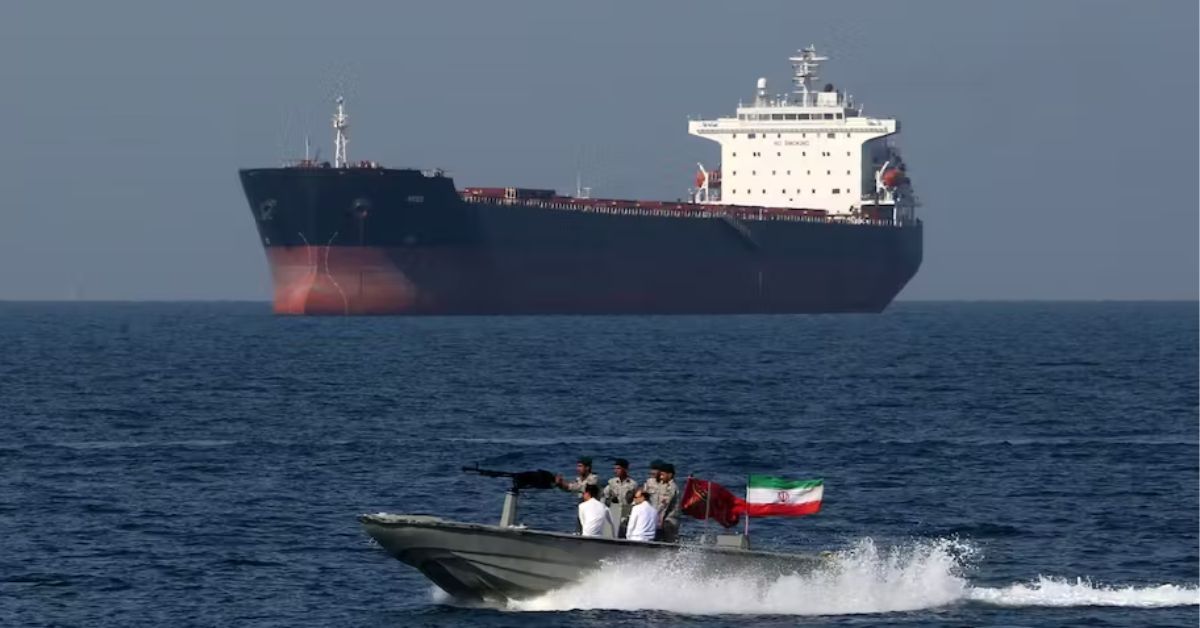
Marine sources have reported the failure of two cargo ships bound for Hong Kong to navigate through the Hormuz Strait, highlighting increasing tensions in the region. This incident occurs at a critical time as maritime navigation faces significant challenges.
The Hormuz Strait, considered one of the most important maritime corridors in the world, sees approximately 20% of the world's total oil passing through it. In recent years, this strait has witnessed a rise in military tensions, affecting the movement of commercial vessels.
Details of the Incident
According to reports, the two ships were en route to Hong Kong when they encountered difficulties crossing the strait. Specific details regarding the reasons for the failure have not been disclosed, but sources indicate that political and security tensions in the region may have played a role.
This incident is part of a series of events that have occurred in the strait in recent months, where an increase in military activities by surrounding countries has raised significant concerns among shipping and navigation companies.
Background & Context
The Hormuz Strait is a vital transit point for oil and natural gas, frequently witnessing incidents related to military escalation. In recent years, tensions have escalated between Iran and Western countries, affecting maritime traffic in the region.
In 2019, the strait experienced attacks on oil tankers, leading to heightened security measures. Additionally, sanctions imposed on Iran have complicated the situation further, making navigation through the strait more challenging.
Impact & Consequences
The failure of the vessels to cross may lead to increased shipping costs and delays in the delivery of goods, impacting the global economy. Companies reliant on oil and gas may face difficulties in securing supplies, potentially leading to price hikes.
Moreover, this incident could escalate tensions between the involved nations, as each country seeks to protect its interests in the region. This situation may negatively affect regional stability and heighten concerns regarding maritime security.
Regional Significance
The Arab region, particularly the Gulf area, is among the most affected by tensions in the Hormuz Strait. The failure of the vessels may impact trade flows between Arab countries and Asian nations, potentially leading to a slowdown in economic growth.
Any escalation in tensions could also affect foreign investments in the region, as companies seek more stable environments for investment. This could impact job opportunities and economic growth in Arab countries.
In conclusion, the failure of the cargo ships to cross the Hormuz Strait highlights the ongoing challenges facing maritime navigation in the region. As tensions continue, the question remains about how this will affect the global and Arab economies.