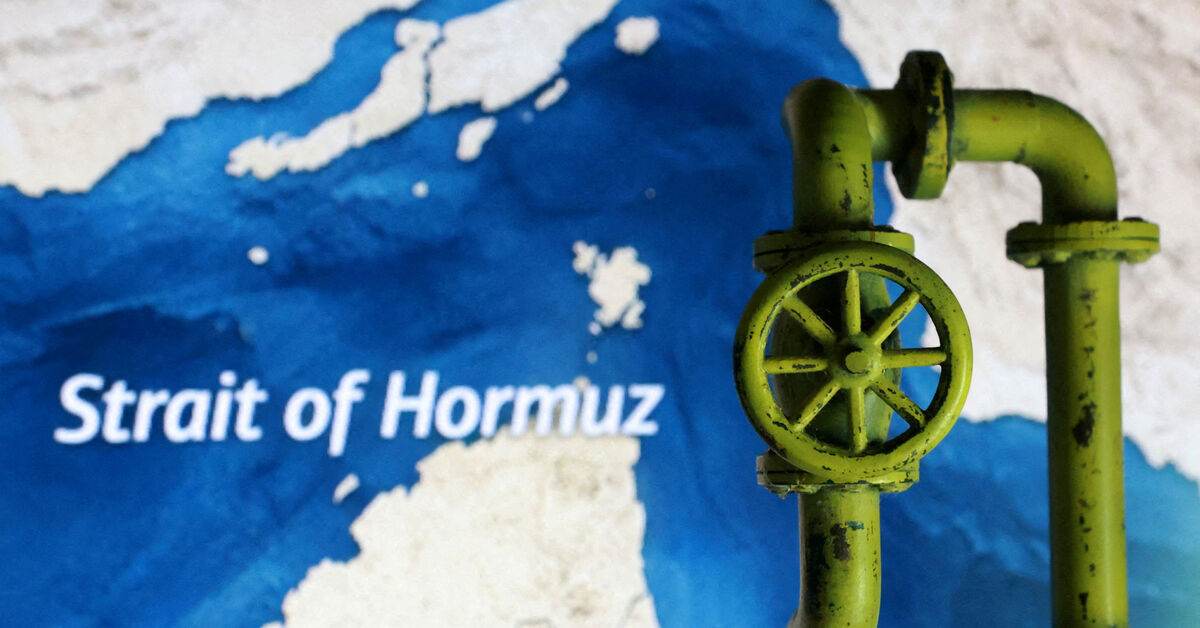
Three oil tankers from Oman, a French container ship, and a Japanese gas vessel have crossed the Strait of Hormuz since Thursday, according to shipping data, reflecting Iran's policy of allowing the passage of ships it considers friendly. This development comes after Iran closed the strait, a major route for about 20% of global oil and liquefied natural gas flows, following increased military pressure from the United States and Israel.
At the end of February, U.S. and Israeli airstrikes on Iran escalated tensions, prompting Tehran to decide to close the strait. However, Iran later announced it would allow the passage of ships not linked to the U.S. or Israel, indicating a shift in its policy regarding navigation in the region.
Details of the Event
Data indicates that the three vessels that crossed the strait are Omani oil tankers, along with a French container ship and a Japanese gas vessel. This crossing is seen as a sign of the resumption of maritime traffic in one of the world's busiest waterways, which plays a vital role in securing global energy supplies.
This move also shows that Iran is seeking to improve its relations with countries it considers friendly, amid the tense political climate in the region. Furthermore, this crossing could be interpreted as a signal from Tehran that it does not wish to escalate tensions with countries it does not view as adversaries.
Background & Context
The Strait of Hormuz is a strategic transit point, through which approximately 20% of global oil supplies pass. Historically, the strait has witnessed numerous crises and tensions, particularly amid regional conflicts and external interventions. In recent years, tensions between Iran and the United States have increased, leading to a deterioration of the situation in the region.
In 2019, the area experienced a series of attacks on oil tankers, raising international concerns about the security of navigation in the strait. Since then, Iran has taken multiple steps to enhance its control over the area, including threats to close the strait if subjected to further military pressure.
Impact & Consequences
The crossing of the three ships is seen as an indicator of the potential resumption of normal maritime traffic in the strait, which could help alleviate economic pressures on countries dependent on oil supplies. Additionally, this development may encourage other nations to resume their commercial activities in the region, thereby enhancing global market stability.
However, the situation in the region remains fragile, as tensions persist between Iran and Western nations. Any new escalation could negatively impact maritime traffic and lead to increased oil prices, posing a challenge to global economies.
Regional Significance
This development holds particular importance for Arab countries, many of which rely on oil supplies through the Strait of Hormuz. Any changes in navigation or escalation of tensions could directly affect the economies of these nations, especially those heavily dependent on oil exports.
Moreover, stabilizing the situation in the strait could contribute to enhancing regional cooperation, as Arab countries may benefit from improved relations with Iran in areas such as trade and energy. Ultimately, there is hope that these developments will contribute to achieving stability in the region.