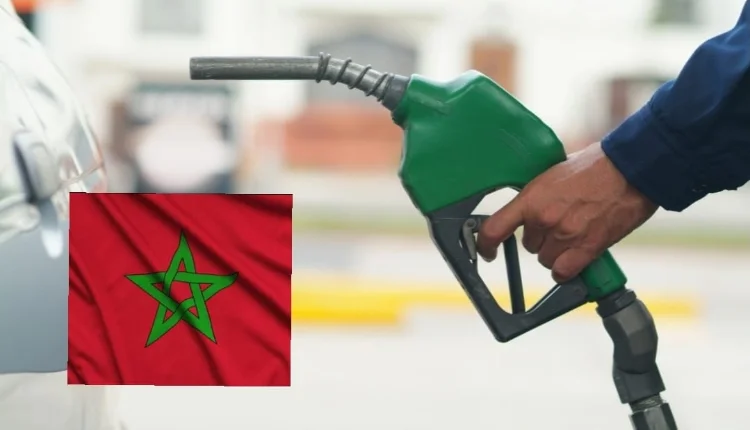
Moroccans woke up on Monday morning to a sudden increase in fuel prices, with the price of a liter of diesel rising from 10.90 dirhams to 13.00 dirhams (approximately 1.09 to 1.30 USD), while the price of premium gasoline jumped from 13.30 dirhams to 15.10 dirhams. This increase is considered the second within less than two weeks, raising concerns among citizens and reigniting discussions about the state of the market and stock levels in the country.
This price hike comes at a sensitive time, as global markets are affected by international disputes, which directly reflects on fuel prices in Morocco. This situation has sparked angry reactions from citizens, who are already struggling with rising living costs.
Details of the Price Increase
In detail, reports indicate that the price of diesel has risen significantly, leading to widespread dissatisfaction among citizens. This increase follows closely on the heels of a previous hike, raising questions about the stability of the local market. Additionally, this price rise occurs amid increasing demand for fuel, especially with the winter season approaching and transportation activity on the rise.
Many economic experts have pointed out that this increase may be linked to rising global oil prices due to geopolitical conflicts and their impact on supply. Furthermore, local stock may not be sufficient to cope with this sudden increase in prices.
Background & Context
Historically, Morocco has witnessed several increases in fuel prices, but this particular rise comes at a time when the national economy is facing significant challenges. With increasing economic pressures, citizens are seeking solutions to cope with these rising burdens. Previous crises have affected citizens' purchasing power, intensifying public dissatisfaction.
The Moroccan government had previously announced plans to support the most affected groups by rising prices, but these plans have not been sufficient to alleviate the crisis. It appears that the current situation requires more effective measures to ensure market stability.
Impact & Consequences
Forecasts indicate that this increase in fuel prices may lead to higher transportation costs, which will negatively affect the prices of other goods and services. This situation could increase pressures on Moroccan families, who are already suffering from rising living costs.
Moreover, this increase may impact various economic sectors, including agriculture and industry, which heavily rely on fuel. Consequently, the economic repercussions could be widespread, necessitating urgent government intervention.
Regional Significance
The fuel prices in Morocco serve as an indicator of the economic situation in the Arab region as a whole, where many countries are facing similar challenges. With increasing conflicts and their impact on global markets, other Arab nations may also face similar price hikes.
Additionally, this increase could exacerbate social conditions in some countries, heightening political tensions. Therefore, monitoring the situation in Morocco may be crucial for understanding economic trends in the region.
In conclusion, the Moroccan government must take urgent steps to address this crisis and ensure local market stability. With increasing economic pressures, hope remains pinned on finding effective solutions that guarantee citizens' rights and maintain economic stability.