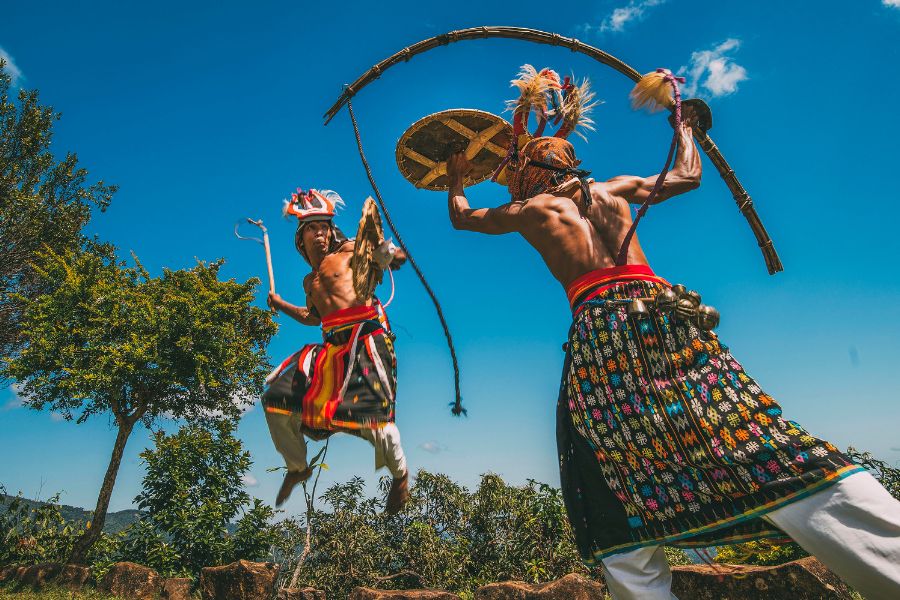
In a vibrant cultural event, students from SMK Negeri 1 in Taman Gong, Indonesia, presented a group display of the Wolang Sono dance, gathering numerous students in the city square to showcase their artistic skills. This performance, held earlier this week, attracted the attention of the audience and highlighted Indonesia's rich cultural diversity.
The Wolang Sono dance is considered one of the traditional dances that reflect Indonesian cultural heritage, designed as a group performance that embodies the spirit of collaboration among students. The participants excelled in presenting this dance, creating an atmosphere of joy and excitement among the attendees.
Event Details
The performance included a variety of rhythmic movements that reflect local culture, with students donning colorful traditional costumes, adding visual beauty to the show. A large number of parents and local residents attended the performance, expressing their admiration for the high artistic level of the students.
This event was organized as part of the annual celebrations aimed at promoting arts and culture within the community, where traditional dances are an integral part of Indonesian identity. Teachers emphasized the importance of such events in fostering a sense of belonging and pride in local culture.
Background & Context
Historically, traditional dances in Indonesia are part of a rich cultural heritage that spans centuries. Wolang Sono, which originates from a specific region in Indonesia, showcases multiple influences from the various cultures that have existed in the country throughout history. These dances are not just art forms; they are expressions of identity and belonging.
In recent years, Indonesia has witnessed a growing interest in traditional arts, with both the government and civil society striving to preserve and promote this heritage through cultural events and festivals. This interest reflects the community's desire to maintain cultural identity in the face of globalization.
Impact & Consequences
This group performance of the Wolang Sono dance is a positive step towards enhancing traditional arts in Indonesia. By supporting the arts, young people can express themselves and develop their skills, contributing to the creation of a cohesive and creative community. Additionally, these events enhance cultural tourism, allowing visitors to experience Indonesian culture firsthand.
Moreover, this event demonstrates the importance of collaboration between schools and local communities in promoting the arts. Through teamwork, students can develop their social and artistic skills, which is an investment in their future.
Regional Significance
Although this event takes place in Indonesia, it holds significant implications for the Arab region. Traditional arts play a similar role in Arab communities, serving as a means to preserve cultural identity and enhance belonging. Arab countries can benefit from Indonesia's experiences in promoting traditional arts and supporting youth in expressing their cultures.
In conclusion, the Wolang Sono dance showcase in Taman Gong highlights the importance of traditional arts in building cultural identity and fostering cooperation between generations. Supporting the arts is an investment in the future, and Arab communities should adopt this approach to enhance their local cultures.