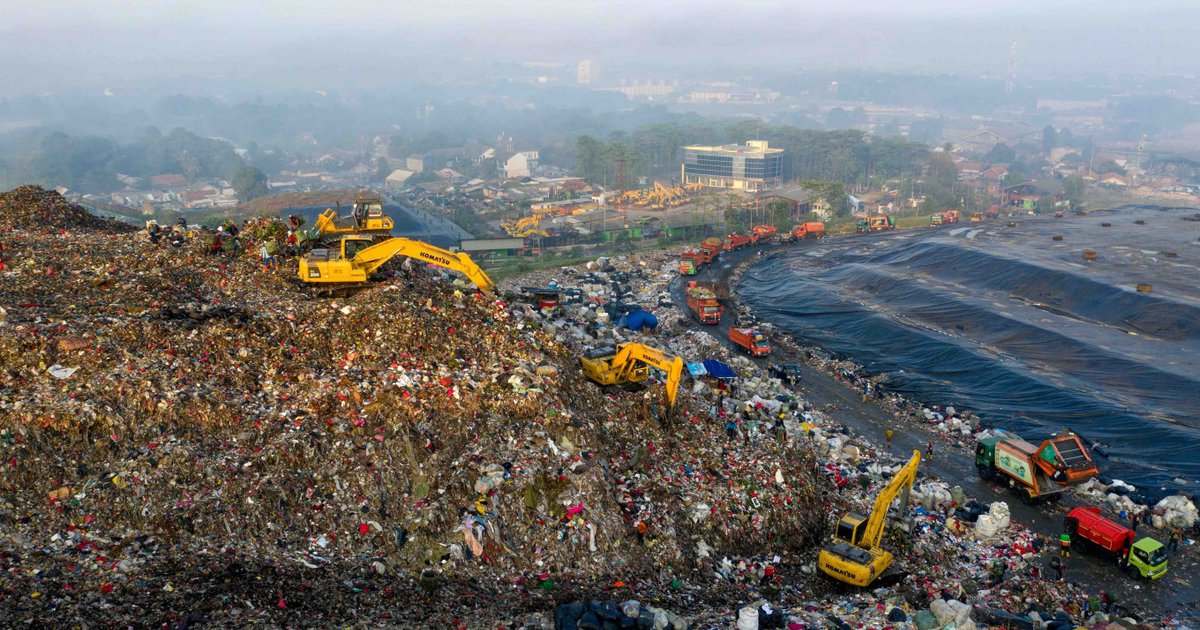
In a new step aimed at addressing the growing waste crisis in the Indonesian capital of Jakarta, the city’s governor, Anies Baswedan, announced the signing of an agreement to build waste-to-energy plants. This agreement was signed on Thursday, with Baswedan confirming that the project will include two main sites located in the Pantrigibung and Tunjungan areas.
Baswedan explained that the new plants will have the capacity to process between 3,000 to 4,000 tons of waste daily, which will significantly contribute to reducing the volume of waste accumulating in the city. He also mentioned plans to build an additional plant in the Center area, which will further enhance the city's waste processing capabilities.
Event Details
This initiative is part of the ongoing efforts by the Indonesian government to tackle environmental challenges, as Jakarta residents face significant issues related to waste accumulation. According to estimates, approximately 7,000 tons of waste are produced daily in the city, necessitating effective and swift solutions.
The project aligns with the government’s direction towards enhancing the use of renewable energy, with the selling price of energy generated from these plants set at $0.20 per kilowatt-hour, making the project attractive to investors.
Background & Context
Historically, Jakarta has faced severe waste management issues, struggling with a lack of infrastructure necessary to handle the increasing amounts of waste. In recent years, the city has seen a rise in population, exacerbating this problem.
In 2025, a presidential decree was issued aimed at promoting the use of renewable energy, reflecting the Indonesian government's commitment to achieving sustainable development goals. The waste-to-energy project is part of these efforts, aiming to improve the environment and reduce reliance on traditional energy sources.
Impact & Consequences
This project is expected to have a significant positive impact on the environment in Jakarta, contributing to the reduction of pollution resulting from waste accumulation. Additionally, the project will create new job opportunities and boost the local economy by attracting investments.
Furthermore, the success of this project may encourage other countries in the region to adopt similar solutions to address waste challenges, contributing to broader environmental improvements.
Regional Significance
Indonesia’s experience in converting waste to energy serves as a model that Arab countries can benefit from, as they also face similar challenges in waste management. Arab nations can leverage this experience by adopting modern and innovative techniques to enhance waste management and achieve sustainable development.
In conclusion, the waste-to-energy project in Jakarta represents an important step towards achieving sustainable development and reflects the Indonesian government's commitment to solving environmental issues. This project is expected to have positive impacts on both the environment and the economy, making it a model to be emulated in the region.