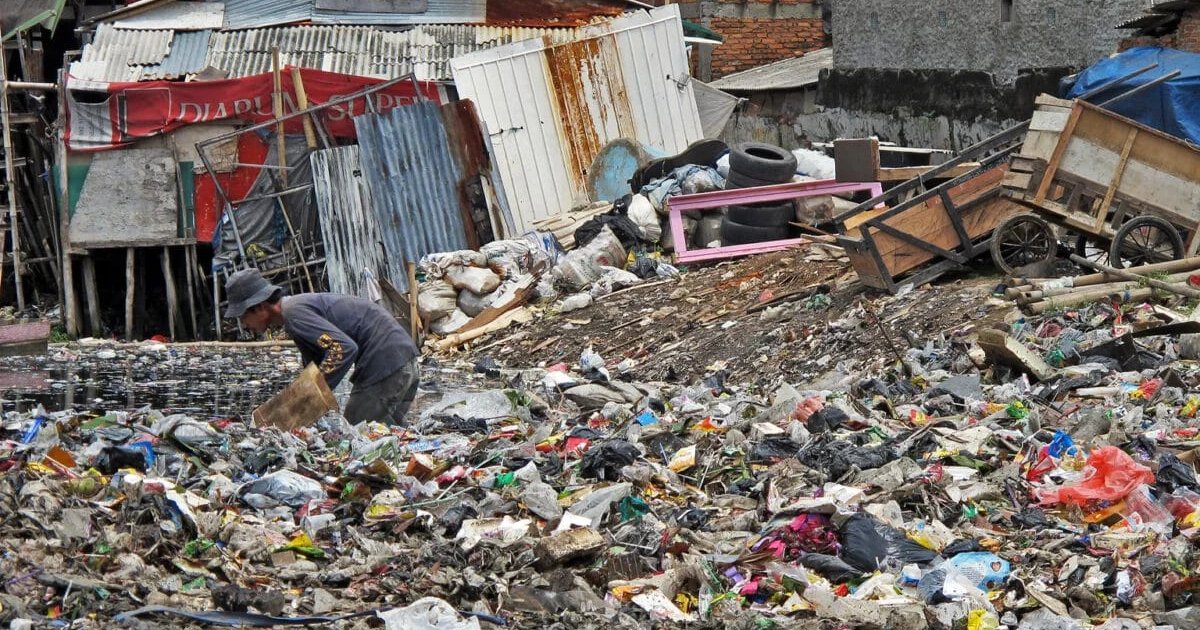
In a pioneering step towards enhancing renewable energy, the Governor of East Java, Khofifah Indar Parawansa, signed a cooperation agreement with seven mayors in the Surabaya and Malang areas to convert waste into electricity. The agreement was signed at an official ceremony held at the Grahadi Building in Surabaya, attended by the Minister of Environment, Hanif Dhakiri Nurvick, who praised the efforts made in this field.
Khofifah emphasized that this agreement is not merely about waste management, but is part of a comprehensive strategy to turn environmental challenges into opportunities, contributing to the creation of a clean, healthy, and sustainable environment in East Java. She pointed out that cooperation between different regions is key to the success of this project, which requires the provision of at least 1,000 tons of waste daily as raw material.
Details of the Agreement
The agreement includes cooperation between the city of Surabaya and the municipalities of Gresik, Sidoarjo, and Lamongan, providing approximately 1,100 tons of waste daily. It also includes the Malang area, which contributes around 1,138.9 tons of waste daily, with construction sites identified in both Surabaya and Malang. The project aims to effectively process waste and convert it into electricity, thereby reducing the environmental impact of waste.
Khofifah clarified that the regional government will work to ensure the effective implementation of the agreement through coordination, monitoring, and evaluation, stressing the importance of transparency in addressing any challenges that may arise during the project.
Background & Context
Indonesia is one of the countries facing significant challenges in waste management, with large quantities of waste being disposed of in an unregulated manner. According to reports, the waste management rate in East Java reaches 52.7%, which is higher than the national average of 24.95%. This achievement reflects ongoing efforts to improve waste management in the region.
This agreement comes as part of global efforts to combat climate change and promote the use of renewable energy. Indonesia, like many other countries, aims to reduce its reliance on fossil fuels and increase the use of clean energy sources.
Impact & Consequences
This agreement is expected to contribute to improving the environmental quality in East Java, helping to reduce accumulated waste and harmful gas emissions. It will also enhance the region's capacity to produce renewable energy, contributing to the achievement of sustainable development goals.
Moreover, the success of this project could serve as a model for other regions in Indonesia, encouraging the implementation of similar projects elsewhere. It may also lead to the creation of new job opportunities in waste management and renewable energy sectors.
Regional Significance
Indonesia's experience in converting waste to energy is a model that Arab countries can benefit from, which also face challenges in waste management. Arab nations can draw inspiration from this initiative to develop similar strategies, contributing to environmental improvement and promoting the use of renewable energy.
In conclusion, this agreement represents an important step towards achieving sustainable development in East Java, opening doors to new opportunities in the fields of renewable energy and waste management.