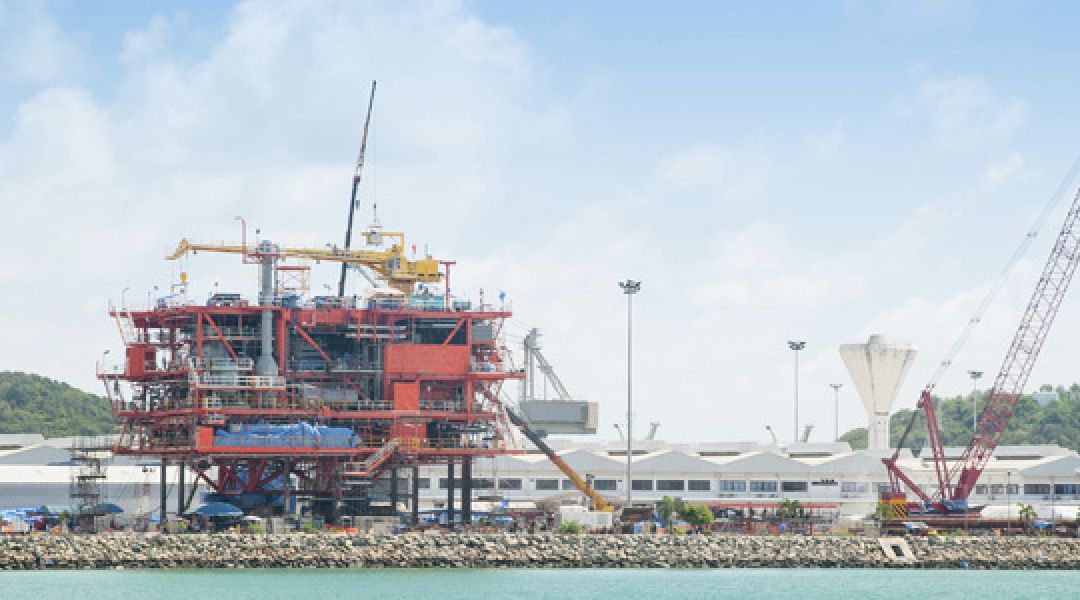
The Egyptian Ministry of Petroleum and Mineral Resources has announced the signing of an agreement with the global company Arcus, aimed at developing the Harmattan field located in the Mediterranean Sea. This project is expected to contribute to the production of approximately 150 million cubic feet of natural gas daily, thereby enhancing Egypt's ability to meet its local needs and export requirements.
This agreement comes at a time when Egypt is witnessing increasing efforts to boost its natural gas production, especially following significant discoveries made in recent years. The Harmattan field is considered one of the promising fields that could significantly contribute to achieving self-sufficiency in gas.
Details of the Agreement
The agreement was signed as part of the Ministry of Petroleum's strategy to enhance partnerships with global companies in the energy sector. It includes multiple phases of exploration and production, where Arcus will apply the latest technologies in extraction processes to ensure the highest levels of efficiency.
The work plan also includes assessing current reserves and developing the necessary infrastructure to transport gas to local and international markets. Actual production is expected to commence within a short timeframe, which will contribute to increasing gas supplies in the Egyptian market.
Background & Context
Egypt is considered one of the leading countries in natural gas production in the Eastern Mediterranean region, having witnessed a notable increase in gas discoveries in recent years. These discoveries have contributed to enhancing Egypt's position as a regional energy hub, making it an attractive destination for foreign investments.
Historically, Egypt relied heavily on imported gas to meet its needs, but with new discoveries, the country has begun to achieve self-sufficiency and even move towards exporting. The Harmattan field is part of this broader strategy to enhance domestic production.
Impact & Consequences
This agreement is expected to bolster the Egyptian economy by increasing state revenues from gas exports. It will also help create new job opportunities in the energy sector, contributing to improving the economic conditions for many citizens.
Moreover, the increase in gas production will enhance Egypt's ability to meet its energy needs, contributing to the stability of the local market and reducing reliance on traditional energy sources.
Regional Significance
This agreement is a significant step in the context of Arab cooperation in the energy sector, as many Arab countries seek to strengthen their partnerships in this vital sector. This cooperation is expected to open new horizons for investment in renewable and clean energy projects.
Furthermore, enhancing gas production in Egypt could contribute to achieving regional stability, as Egypt could become a hub for distributing gas to neighboring countries, reinforcing its role as a supporter of energy security in the region.
In conclusion, the signing of this agreement with Arcus represents a strategic step towards enhancing gas production in Egypt, reflecting the Egyptian government's commitment to achieving sustainable development in the energy sector. This project is expected to have positive impacts on the Egyptian economy and on the stability of the regional market.