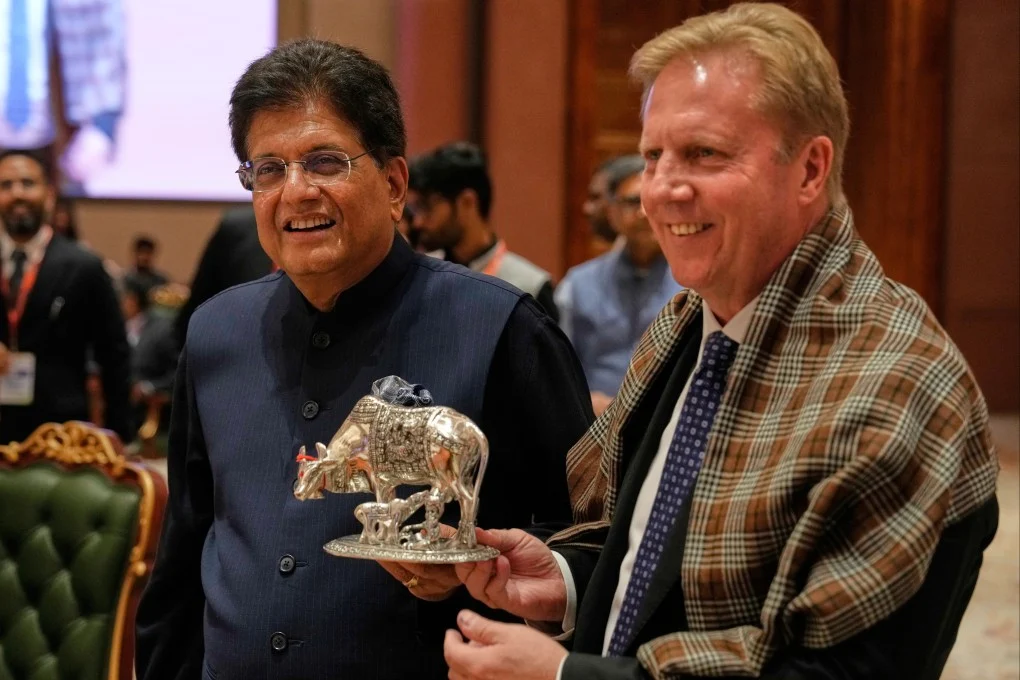
In a historic move, India and New Zealand have signed a free trade agreement designed to enhance economic diversity and reduce dependency on major powers. This agreement follows 15 years of intermittent negotiations, with its necessity becoming increasingly apparent in recent weeks due to challenges facing global supply chains.
The agreement includes a range of measures aimed at facilitating trade between the two countries, which will help strengthen economic relations and expand cooperation in various fields. The signing of this agreement comes at a critical time, as Indian exporters face difficulties due to the closure of the Strait of Hormuz and high tariffs imposed by the United States.
Event Details
Through this agreement, India aims to open new markets for its products, especially in light of the challenges it faces in traditional markets. On the other hand, New Zealand seeks to reduce its reliance on China, its largest trading partner, reflecting a strategic shift in its trade policy.
The agreement includes tariff reductions on a wide range of goods and services, which will contribute to increasing trade volume between the two countries. It also encompasses cooperation in technology and agriculture, indicating a desire to build a long-term strategic partnership.
Background & Context
Historically, trade relations between India and New Zealand have been limited, focusing on a few commodities. However, global geopolitical and economic changes have prompted both countries to reassess their trade strategies. In recent years, India has experienced significant economic growth, making it an attractive destination for foreign investments.
Conversely, New Zealand aims to diversify its trade partnerships amid rising tensions among major powers. Recent figures indicate that trade between India and New Zealand grew by 20% last year, reflecting increasing interest from both sides.
Impact & Consequences
This agreement is expected to have a significant impact on both the Indian and New Zealand economies. For India, it will enable a reduction in reliance on traditional markets and increase exports to new markets. Meanwhile, New Zealand will benefit from diversifying its trade partnerships and decreasing dependence on China.
Furthermore, this agreement may encourage other countries in the region to take similar steps to enhance trade cooperation, potentially leading to the formation of new alliances in the future. Given the global economic challenges, economic diversity may become an urgent necessity for small and medium-sized countries.
Regional Significance
Considering the increasing trade relations between India and New Zealand, this development could have implications for the Arab region. Many Arab countries are seeking to strengthen their trade partnerships with India, particularly in the fields of energy and agriculture.
Moreover, the strengthening of trade relations between India and New Zealand could open new avenues for Arab-Indian cooperation, contributing to sustainable development in the region. In light of global economic challenges, these partnerships may become essential for enhancing stability and growth.