Hlthera and Tapy have signed a memorandum of understanding aimed at enhancing human-centered health innovations, reflecting their commitment to developing innovative health solutions that meet community needs. This agreement comes at a time when the healthcare sector is undergoing significant transformation towards innovation and technology, opening new horizons for improving the quality of healthcare.
Hlthera, known for providing advanced health solutions, and Tapy, specializing in digital health technologies, are seeking to combine their expertise to develop innovative health products and services. The two companies will work together to design and develop technologies that contribute to improving patient experiences and enhancing treatment effectiveness.
Event Details
The memorandum of understanding was signed at a ceremony attended by several executives from both companies, where the importance of collaboration between the public and private sectors in the field of health innovation was emphasized. An official from Hlthera stated that this step represents a new beginning in the journey of both companies towards achieving their shared goals of improving public health.
The official from Tapy also noted that this partnership will allow them to leverage modern technologies such as artificial intelligence and big data analytics, enabling them to provide more effective and accurate health solutions.
Background & Context
The importance of health innovations is increasing in light of the challenges faced by health systems worldwide, especially after the COVID-19 pandemic, which highlighted the urgent need to adopt new technologies in healthcare. In recent years, there has been a growing interest from startups and investors in developing innovative health solutions.
Hlthera and Tapy are considered leading companies in this field, each striving to offer products and services that contribute to improving quality of life. Their collaboration reflects market trends towards innovation and enhances the healthcare sector's ability to face future challenges.
Impact & Consequences
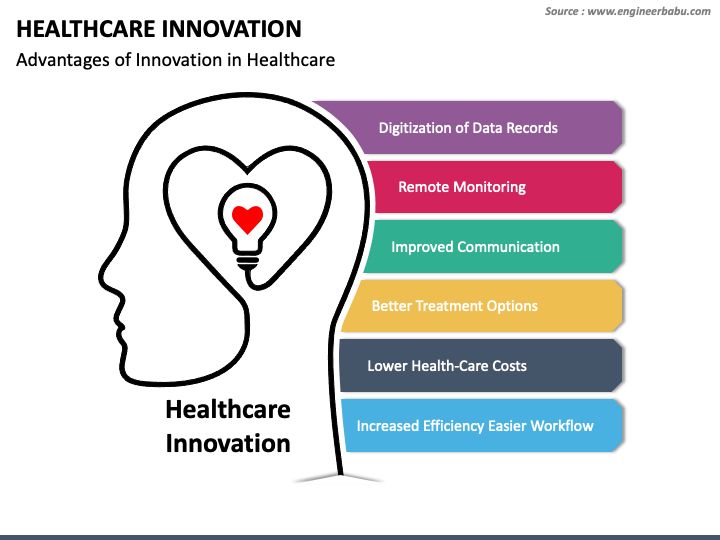
This memorandum of understanding is expected to contribute to enhancing innovation in the healthcare sector, leading to improved quality of care provided to patients. Additionally, the collaboration between the two companies may open the door to developing new solutions that help reduce costs and increase efficiency in delivering health services.
Moreover, this partnership may encourage more companies to invest in health innovation, thereby strengthening the sector's ability to adapt to rapid changes in market needs.
Regional Significance
Health innovations are a priority in many Arab countries, where governments are striving to improve healthcare systems and provide better services to citizens. The signing of the memorandum of understanding between Hlthera and Tapy could serve as a model in the region, potentially leading to enhanced collaboration between local and international companies.
This step may also contribute to attracting foreign investments to the Arab market, fostering the development of the healthcare sector and enhancing the region's position as a center for innovation in this field.
In conclusion, the memorandum of understanding between Hlthera and Tapy represents an important step towards achieving innovation in the healthcare sector, reflecting the commitment of both companies to provide health solutions that meet community needs and enhance quality of life.