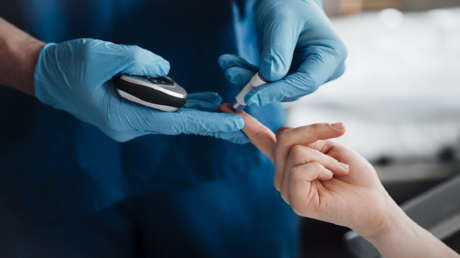
Scientists have achieved a major breakthrough in the treatment of type 1 diabetes, potentially changing how this chronic disease is managed. These developments represent a significant step towards improving patients' quality of life.
This research serves as a beacon of hope for many individuals suffering from type 1 diabetes, a chronic condition that requires precise and sustainable management. This disease destroys the pancreatic cells responsible for producing insulin, leading to elevated blood sugar levels and posing a threat to patients' health.
Details of the Breakthrough
Recent studies have shown that there are new treatment methods that may improve the body's ability to produce insulin naturally. Advanced techniques such as gene therapy and pancreatic cell transplantation have been utilized, providing new options for patients who rely on insulin daily.
Researchers have achieved positive results in clinical trials, with some cases showing a significant improvement in blood sugar levels, reflecting the effectiveness of these new treatments. These results may pave the way for future research aimed at developing more effective and safer therapies.
Background & Context
Type 1 diabetes is one of the diseases affecting millions of people worldwide and poses a significant challenge to health systems. According to the World Health Organization, the number of individuals diagnosed with this disease is continuously increasing, necessitating the search for effective solutions.
Historically, available treatments have been limited to insulin injections, requiring patients to adhere to a strict lifestyle and undergo regular blood sugar level checks. With the advancement of research, there is hope for finding a definitive cure for this disease.
Impact & Consequences
If these new treatments prove effective in the future, they could revolutionize the management of type 1 diabetes. These developments could reduce reliance on insulin, making life easier for patients and decreasing the health risks associated with the disease.
Additionally, these innovations may help alleviate the burden on health systems, as they could reduce the costs of treatment and healthcare associated with diabetes. This could open the door for new investments in medical research and health technology.
Regional Significance
In the Arab region, type 1 diabetes is a common disease, with many children and young people suffering from it. Progress in its treatment could have a significant impact on the lives of these patients and their families.
Many Arab countries are striving to improve healthcare and provide modern treatments for diabetes, reflecting the importance of this research in enhancing quality of life in the region. Furthermore, cooperation among Arab countries in the field of medical research could contribute to accelerating the development of new treatments.
In conclusion, this progress in the treatment of type 1 diabetes represents an important step towards improving patients' lives and reflects the ongoing efforts of scientists and researchers in this field. The hope for a definitive cure for this disease remains alive, opening new horizons for research and development in the future.