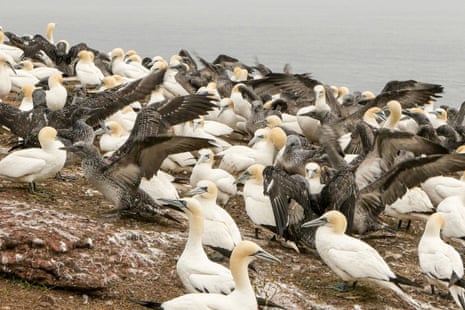
A recent study has revealed that levels of harmful chemical compounds known as PFAS have significantly decreased in the eggs of northern gannets in Canada, with concentrations dropping by as much as 74% over a span of 55 years of research. This decline highlights the success of regulatory efforts in combating these toxic substances.
Researchers focused on examining PFAS levels in northern gannet eggs in the St. Lawrence River basin, where these chemicals saw a significant rise from the 1960s until their peak usage in the late 1990s and early 2000s, after which levels began to decline.
Details of the Study
This reduction coincided with significant steps taken by companies, such as 3M, a leading producer of PFAS compounds, which began to reduce the use of PFOS, known for its high toxicity. In 2015, major companies entered into agreements with the U.S. Environmental Protection Agency to cease the use of PFOS and PFOA, contributing to the decrease of these substances in the environment.
According to the data, levels of PFOS have dropped from 100 parts per billion to 26 parts per billion by 2024, while PFOA levels have decreased by approximately 40% during the same period, despite a slight increase in recent years.
Background & Context
PFAS compounds are a group of chemicals widely used in the manufacture of water, stain, and heat-resistant products. These substances are known as "forever chemicals" because they do not break down naturally and are associated with various health issues, including cancer, thyroid diseases, and kidney problems.
Despite the positive news, challenges remain. Manufacturers have shifted to a new generation of smaller PFAS compounds, which also pose risks to the environment and wildlife. Furthermore, these new compounds may be more difficult to measure in bird eggs, as they do not accumulate in living organisms to the same extent. Additionally, compounds like PFOS can persist in the environment for decades, meaning that birds and their habitats will continue to face contamination in the near future.
Impact & Consequences
While these findings are encouraging, they underscore the need for ongoing vigilance. The transition to newer PFAS compounds necessitates continued monitoring and research to fully understand their effects on wildlife and ecosystems. The persistence of older compounds in the environment also highlights the long-term challenges of chemical pollution.
Moreover, the collaboration between regulatory agencies and companies is crucial in ensuring that the progress made is sustained and that future generations are protected from the harmful effects of these chemicals.
Regional Significance
The implications of this study extend beyond Canada, as the findings contribute to a broader understanding of how regulatory measures can effectively reduce chemical pollution in various ecosystems. The success in reducing PFAS levels in seabird eggs serves as a model for other regions grappling with similar environmental challenges.
In conclusion, the reduction of harmful chemicals in northern gannet eggs is a promising sign of progress in environmental health, but it also serves as a reminder of the ongoing efforts needed to combat chemical pollution and protect wildlife.