The restrictions imposed by the United States on student visas for those coming from mainland China and Hong Kong have significantly affected the number of permits granted, showing a substantial decline of 42% for students from mainland China and 35% for students from Hong Kong compared to last year. These figures reflect the impact of American policies on higher education in the region.
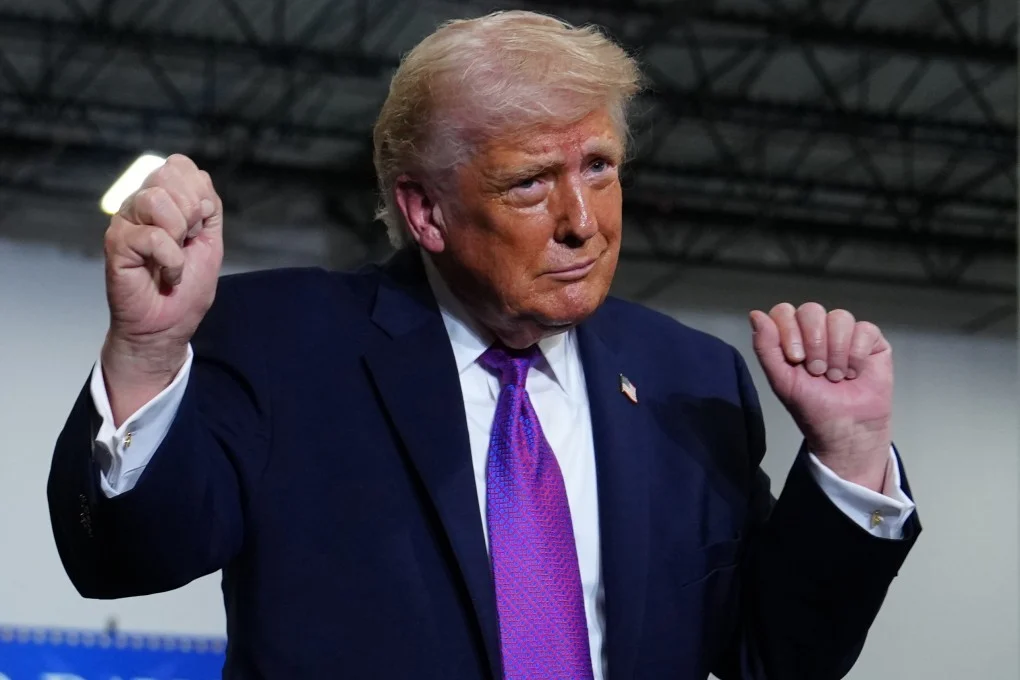
Last May, former President Donald Trump announced a series of measures aimed at reducing the number of foreign students in the United States, prompting many students to reconsider their educational options. One such student, who had planned to study at the Massachusetts Institute of Technology, ultimately decided to enroll at the University of Hong Kong due to concerns about the educational environment in the United States.
Details of the Event
The United States has long been a primary destination for international students, particularly from China, as many seek high-quality education. However, the current restrictions may lead to a shift in student trends towards alternative educational destinations, such as universities in Hong Kong or other countries.
Reports indicate that these restrictions have not only affected students but also American universities that rely on tuition from international students as a primary source of revenue. This decline in numbers could have negative effects on academic and research programs within these institutions.
Background & Context
Historically, relations between the United States and China have been tense, particularly in recent years. These tensions have led to stringent measures by the American government towards Chinese students, raising concerns among many families about the educational future of their children.
It is worth noting that higher education in the United States has always attracted international students, but political and social changes may lead to a reevaluation of these options. In recent years, there has been an increase in the number of Chinese students in American universities, but these trends may now be changing.
Impact & Consequences
The effects of these restrictions extend beyond education, potentially impacting cultural and economic relations between the United States and China. If this trend continues, it could lead to a decline in academic and research cooperation between the two countries.
Moreover, these restrictions may enhance competition among other countries to attract international students, potentially reshaping the global higher education landscape. Countries like Canada and Australia may benefit from this situation, as they offer more welcoming educational environments.
Regional Significance
For the Arab region, this situation may have indirect effects. With an increasing number of Arab students seeking to study abroad, some may turn to educational options in countries like China or Hong Kong, thereby strengthening cultural and commercial ties between these nations.
Additionally, the decline in the number of Chinese students in the United States may open opportunities for Arab students to obtain scholarships or educational opportunities at American universities, which could contribute to enhancing cultural exchange between Arabs and Americans.