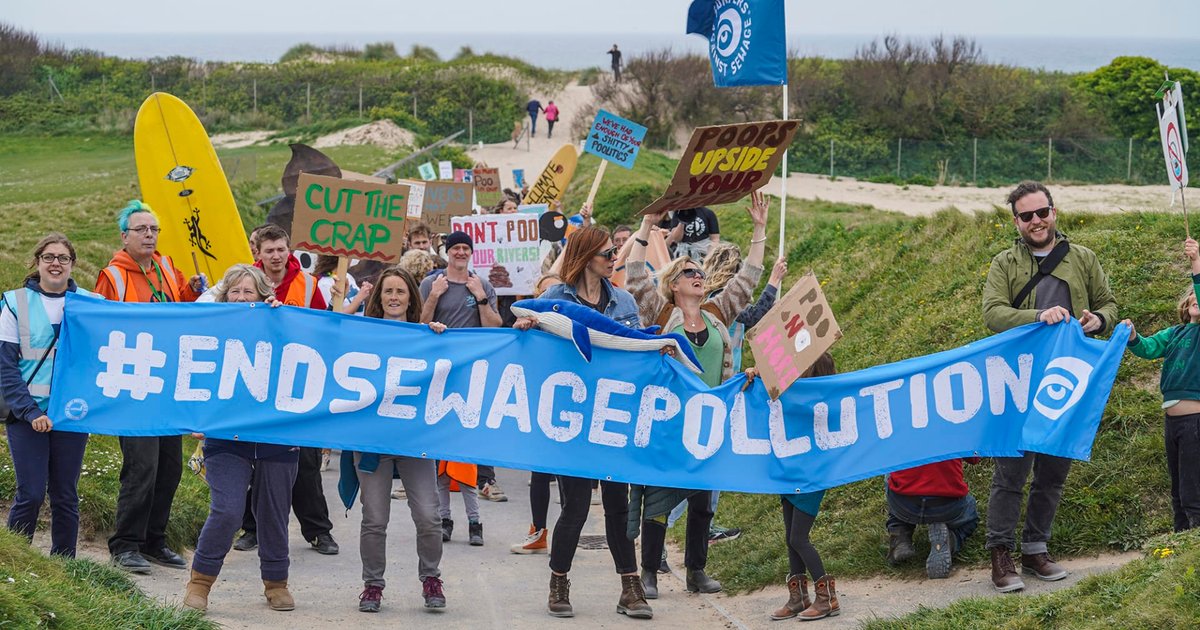
The Environment Agency in England has reported a 48% decrease in sewage spillage hours during 2025 compared to the previous year, mainly due to dry weather. Sewage was spilled for 1.9 million hours in 2025, down from 3.6 million hours the year before.
Sewage spillage typically occurs during rainfall to prevent system overload and water from flowing into homes. With the reduction in rainfall, instances of spillage have consequently declined. However, environmental groups have warned that these figures do not reflect a genuine change in infrastructure, pointing out that water companies continue to profit from pollution.
Details of the Event
According to the Environment Agency, most of the improvement in the figures is attributed to a 24% decrease in rainfall, as the country experienced one of the driest starts to the year. However, winter saw heavy rainfall, making it difficult to determine the extent of the dry weather's impact on sewage spillage.
James Wallace, CEO of the River Action organization, stated that the low spillage figures were an inevitable result following one of the driest summers in decades, and not evidence of real change. He emphasized that water companies are still profiting from pollution and that regulators have not taken necessary actions.
Background & Context
England, like the rest of the United Kingdom, relies on a combined sewer system where rainwater and sewage flow through the same system. The deterioration of infrastructure, increasing population, and heavy rainfall due to climate change put pressure on this system. It has been agreed to raise water bills in England and Wales over the next five years to fund investments of up to £104 billion in infrastructure upgrades.
The Water UK organization noted that the country is already beginning to see the impact of increased investments by water companies, as United Utilities has upgraded over 400 storm drainage points in its area over the past year.
Impact & Consequences
Despite the notable decrease in sewage spillage, there remains an unacceptable amount of sewage entering water bodies. Professor Chris Whitty, Chief Medical Officer for England, warned that sewage spillage poses a public health risk. Additionally, these spillages increase nutrient levels in water, leading to algal blooms that threaten marine life.
This issue is particularly significant in light of increasing climate changes, as heavy rainfall can exacerbate the problem, necessitating sustainable investments to ensure lasting improvements in the system.
Regional Significance
The management of sewage and environmental pollution is a critical issue facing many Arab countries. Some nations suffer from similar infrastructure problems, leading to water pollution and threatening marine life. The lessons learned from England's experience could be beneficial for Arab countries in improving their water management strategies.
In conclusion, the current situation in England requires further investments and strategic planning to ensure real improvements in the sewage system, which could serve as a model for other countries.