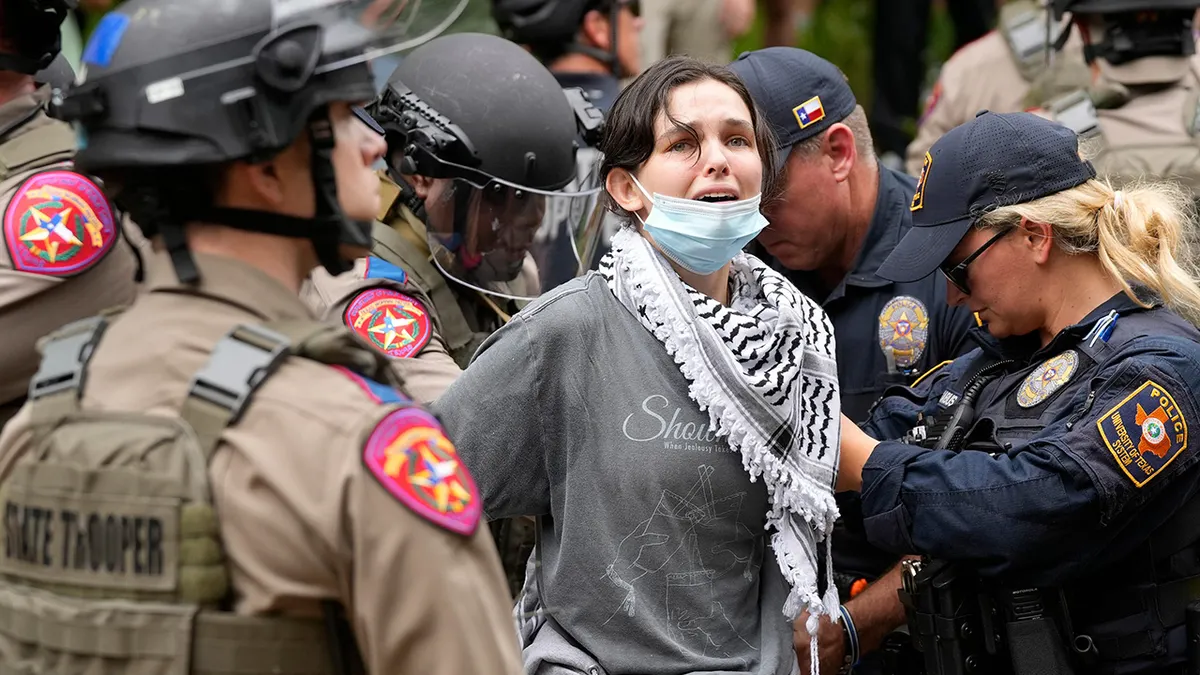
The Palestinian Prisoners Society (PPS) has announced a significant increase in the systematic arrests of Palestinian women, with a total of 90 women detained in April alone. This figure reflects a surge in arrests, reminiscent of the mass detentions witnessed in the Palestinian territories at the onset of the war.
Most of the detainees are held in Damon Prison, which also houses two minors, a pregnant woman, 25 administrative detainees, three journalists, and two women suffering from cancer. Additionally, there are women who were arrested prior to the outbreak of the war, highlighting the ongoing violations against Palestinian women.
Details of the Arrests
Reports indicate that most arrests are conducted under the pretext of "incitement," with the number of women detained since the beginning of the war exceeding 700. The arrests span the West Bank, including Jerusalem, as well as areas within 1948, while accurate data on arrests in the Gaza Strip remains unavailable.
The detainees face harsh conditions, including hunger, lack of medical care, abuse, solitary confinement, and humiliating body searches. These conditions reflect the ongoing human rights violations experienced by Palestinian women.
Background & Context
Historically, Palestinian women have suffered repeated violations of their rights, with arrests being part of the Israeli occupation's policy to enforce control. Since the beginning of the occupation, thousands of women have been detained, reflecting a systematic policy aimed at dismantling the Palestinian social fabric.
In recent years, arrests have increased significantly, particularly amid tense political circumstances. These detentions are not limited to women but encompass all segments of Palestinian society, exacerbating the suffering of Palestinian families.
Impact & Consequences
These arrests impact the Palestinian community at large, contributing to the disintegration of families and increasing tensions in the occupied territories. Furthermore, the arrests lead to psychological and health repercussions for the detained women, intensifying their suffering.
These violations are part of the occupation's strategy to weaken Palestinian resistance, as arrests are used as a means to exert pressure on Palestinian families. This situation calls for international action to halt these violations.
Regional Significance
The ongoing arrests of Palestinian women highlight the persistent human rights violations in the occupied territories, necessitating international attention. The plight of these women reflects broader issues of oppression and the need for accountability.
In conclusion, the situation of Palestinian women under arrest is emblematic of the larger struggle against occupation and the fight for justice and equality. The international community must respond to these injustices to support the rights of Palestinian women.