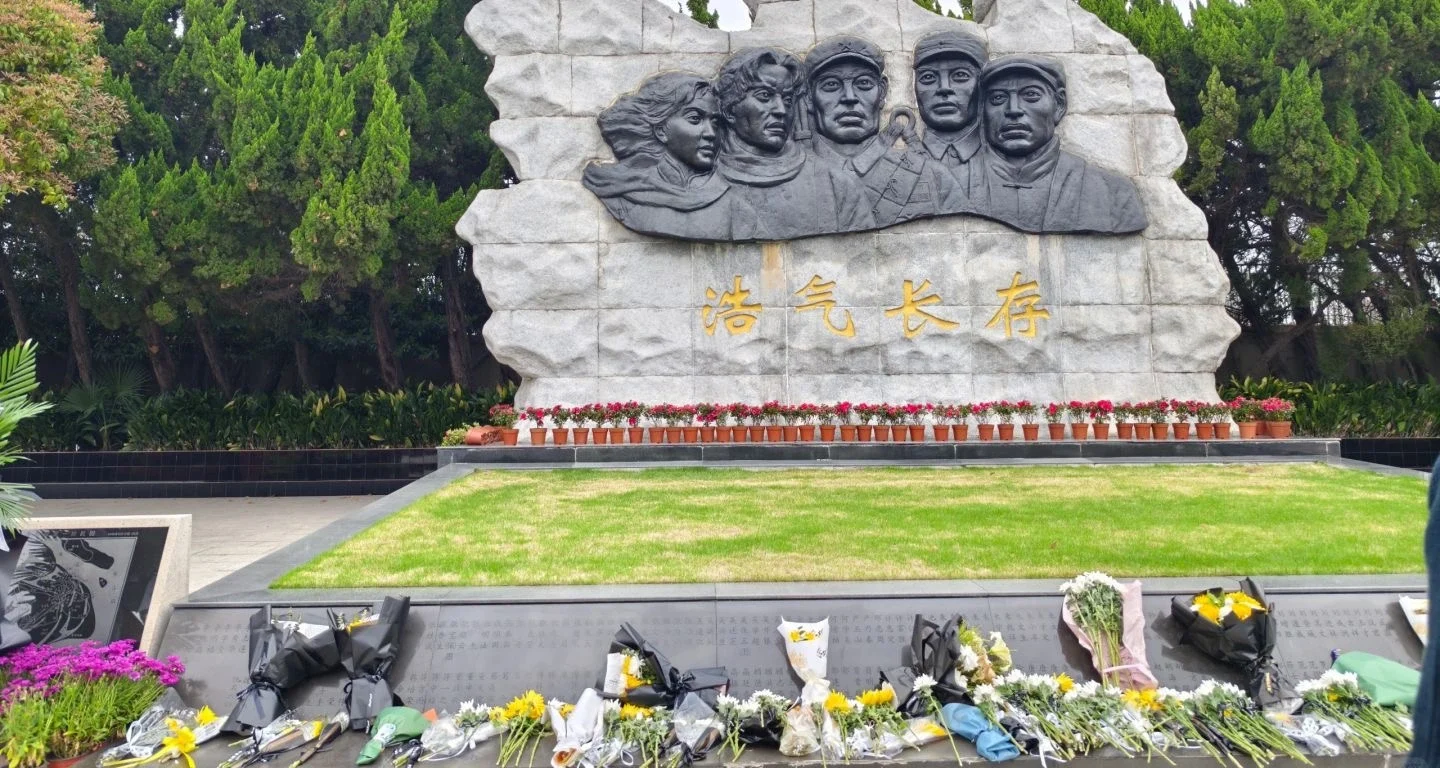
Reports indicate that cross-border travel in China will experience a significant uptick during the Qingming holiday, also known as Tomb-Sweeping Day, where the number of travelers is expected to exceed 2.3 million daily between April 4 and 6. This increase reflects citizens' interest in visiting their families and honoring their ancestors' graves, showcasing deeply rooted cultural traditions within Chinese society.
According to the National Immigration Administration of China, major airports in the country, such as Beijing, Shanghai, and Chengdu, are expected to see a substantial rise in passenger traffic. These airports are projected to handle approximately 95,000 arrivals and departures daily, highlighting the significance of this period for both domestic and international travel.
Details of the Event
Forecasts suggest that cross-border travel will witness a notable increase, particularly in border areas close to Hong Kong and Macau. Many citizens from these regions, along with tourists from Taiwan and Chinese expatriates, are expected to return home during this holiday. The Luohu port in Shenzhen is anticipated to receive around 250,000 travelers daily, making it one of the busiest ports during this period.
To ensure smooth traffic flow, authorities have enhanced border monitoring measures, opening all available checkpoints and providing continuous updates on traveler movement. These steps aim to facilitate the crossing of travelers and ensure their safety.
Background & Context
The Qingming holiday is one of the most significant occasions in the Chinese calendar, where people honor their ancestors by visiting and cleaning their graves. This tradition dates back thousands of years and reflects family values and respect for heritage. In recent years, this holiday has seen an increase in travel, as many seek to return to their hometowns.
This surge in travel coincides with the improved health situation in the country following the COVID-19 pandemic, encouraging more people to travel. The Chinese government is also working to promote both domestic and international tourism, contributing to economic recovery.
Impact & Consequences
This increase in travel is a positive indicator of the recovery of the Chinese economy, reflecting citizens' desire to return to normal life after periods of restrictions. Additionally, this movement boosts the tourism sector, contributing to improved economic conditions in the affected areas.
However, authorities must be cautious in managing this increase, as congestion in certain areas may pose challenges related to security and safety. Therefore, effective planning and management will be essential to ensure everyone's safety.
Regional Significance
Although this news focuses on China, its impact extends to the Arab region. With the increase in travel, new opportunities for tourism and trade cooperation between Arab countries and China may arise. Furthermore, improving relations among countries can contribute to enhancing mutual investments.
In conclusion, the Qingming holiday represents an opportunity to strengthen family and cultural ties, demonstrating how traditions can influence travel and the economy. It is crucial for countries to remain vigilant and take necessary precautions to ensure the safety of travelers.