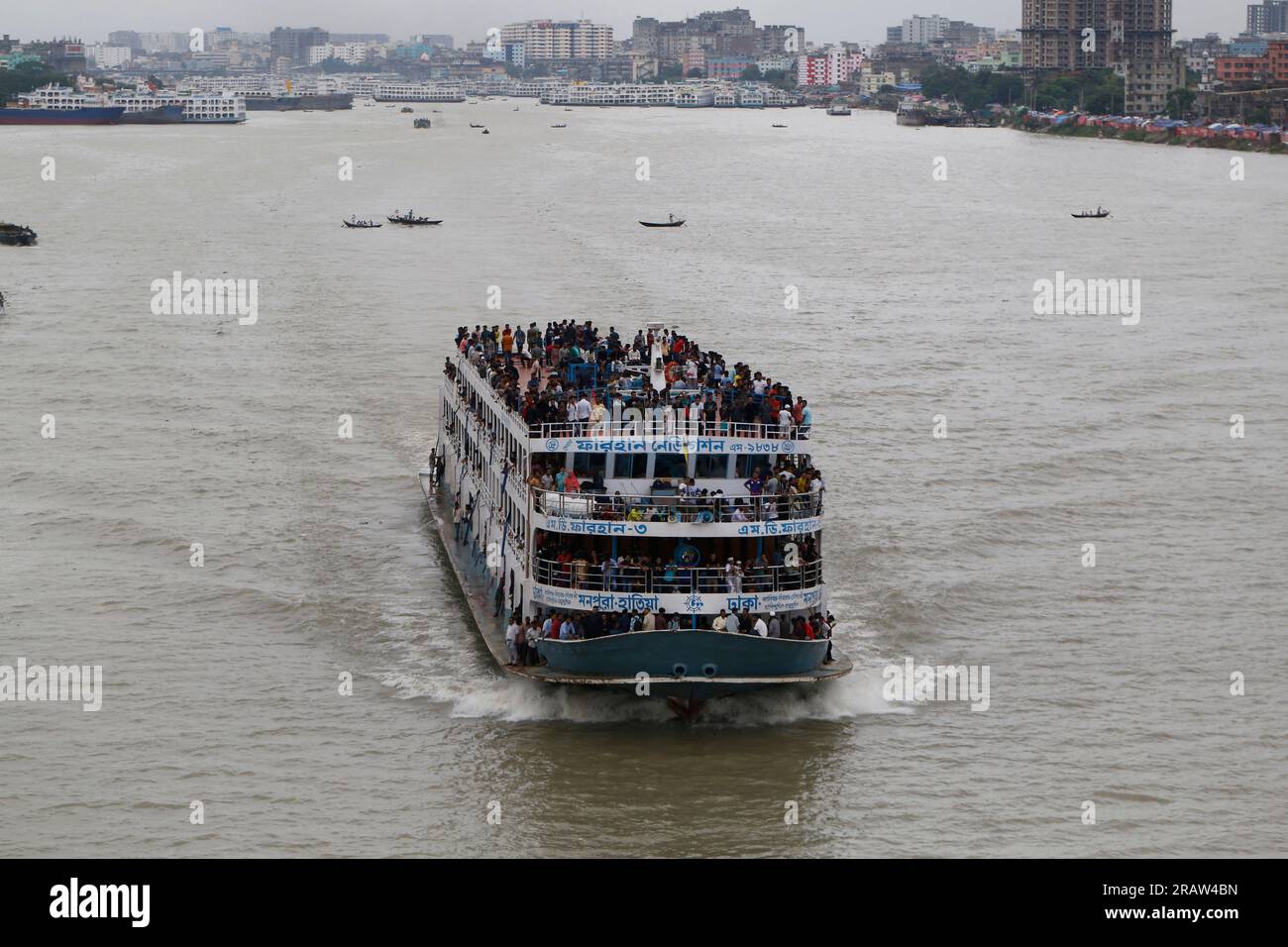
The head of the Indonesian National Shipping Company (PT Pelayaran Nasional Indonesia) in Jakarta, Anthony Lomban Gaul, announced that the number of ship passengers who departed from Tanjung Priok Port during the 2026 Eid al-Adha period reached 24,253 passengers as of March 28, 2026.
Lomban Gaul confirmed that maritime operations were proceeding smoothly and according to the scheduled timetable, with no significant disruptions reported either from a weather or technical standpoint, which contributed to facilitating the movement of passengers and goods effectively.
Event Details
Lomban Gaul explained that the security situation at Tanjung Priok Port was safe and well-prepared to accommodate passenger traffic during the holiday's outbound and return periods. Coordination between port staff, police, military, and other relevant authorities played a crucial role in ensuring a secure environment.
Despite this, authorities faced some challenges, such as an increase in passenger numbers at certain times, leading to congestion in port areas. However, these issues were effectively managed through schedule organization, an increase in staff, and improved service facilities.
Background & Context
The Eid al-Adha period in Indonesia is one of the busiest times for transportation, as many Indonesians seek to return to their hometowns to celebrate with their families. In recent years, there has been a noticeable increase in the number of passengers using maritime transport, reflecting a growing reliance on this mode of transportation.
The Indonesian government has also launched programs to stimulate maritime transport, such as offering discounts on ticket prices, which contributed to the increase in passenger numbers. A 30% discount on ticket prices was offered during the 2026 Eid al-Adha period, encouraging more people to utilize maritime transport services.
Impact & Consequences
This increase in passenger numbers is an indicator of the success of government policies aimed at promoting maritime transport as an effective and convenient means of travel. This success also reflects the capability of Indonesian ports to handle the increase in passenger and cargo traffic, enhancing Indonesia's status as a maritime transport hub in the region.
Moreover, improving maritime transport services can help reduce road traffic congestion, positively impacting the environment and enhancing overall transport efficiency.
Regional Significance
Indonesia's experience in enhancing maritime transport services serves as a model for Arab countries facing similar transportation challenges. Arab nations can benefit from this experience to strengthen their maritime transport capabilities, especially amid the continuous increase in transportation movements between Arab countries.
In conclusion, Indonesia's success in managing passenger traffic during Eid al-Adha represents an important step toward enhancing maritime transport, opening new avenues for cooperation among countries in this field.