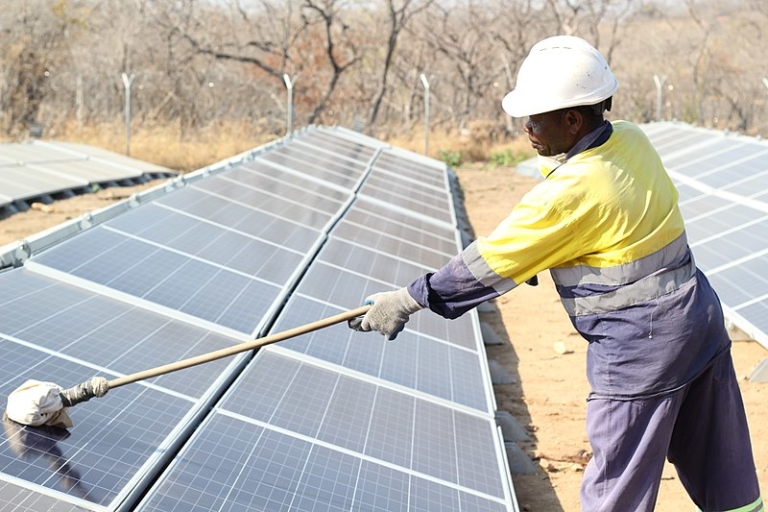
A recent report from the 'Ember' research center has revealed notable progress in the use of renewable energy, particularly solar energy and electric vehicles, across many developing countries. This advancement is attributed to a significant decrease in the costs of these technologies, making them more feasible for poorer nations that are vulnerable to the impacts of climate change.
The report indicated that developing countries, which have historically struggled with resource and energy shortages, are now beginning to harness the potential offered by renewable energy. This shift not only improves environmental conditions but also extends to boosting local economies and creating new job opportunities.
Details of the Developments
According to the report, solar energy usage has seen a substantial increase in several countries such as India, Nigeria, and Kenya. Solar panels have become affordable, allowing many households and rural communities to access clean electricity. Additionally, electric vehicles are gaining popularity, especially in major cities, where governments are striving to reduce carbon emissions and improve air quality.
This trend towards renewable energy reflects the commitment of these nations to tackle environmental challenges and enhances their ability to adapt to the effects of climate change. Investments in this sector are beginning to attract the attention of international investors, contributing to the acceleration of this transition.
Background & Context
Historically, developing countries have heavily relied on fossil fuels to meet their energy needs. However, climate change and rising oil prices have prompted these nations to seek more sustainable alternatives. In recent years, technology related to solar energy and electric vehicles has rapidly evolved, making it more efficient and cost-effective.
This transition aligns with global goals for sustainable development, as countries aim to reduce their dependence on fossil fuels and improve access to clean energy. Many developing nations have also started to implement policies that encourage the use of renewable energy, reflecting their commitment to addressing environmental challenges.
Impact & Consequences
The progress in renewable energy usage in developing countries has multiple positive impacts. Firstly, it contributes to reducing carbon emissions, aiding in the fight against climate change. Secondly, it enhances the energy security of these nations by decreasing reliance on fossil fuel imports. Thirdly, it helps create new job opportunities in the renewable energy sector, thereby boosting economic growth.
Moreover, this transition can improve the quality of life in rural communities, as it can lead to the provision of clean and sustainable electricity, which contributes to better education and healthcare.
Regional Significance
In the Arab region, this trend can have a significant impact. Many Arab countries possess vast natural resources of solar energy, making them well-positioned to lead in this field. For instance, solar energy projects in countries like the United Arab Emirates and Morocco have already begun to yield positive results, opening doors for further investments in this sector.
Furthermore, the shift towards renewable energy can assist Arab countries in achieving their development goals and enhance their capacity to face environmental challenges. In light of climate change, it becomes essential for Arab nations to adopt effective strategies to promote the use of renewable energy.
In conclusion, the progress in renewable energy usage in developing countries represents an important step towards a more sustainable future. This trend not only reflects the commitment of these nations to combat climate change but also enhances their ability to achieve economic and social development.