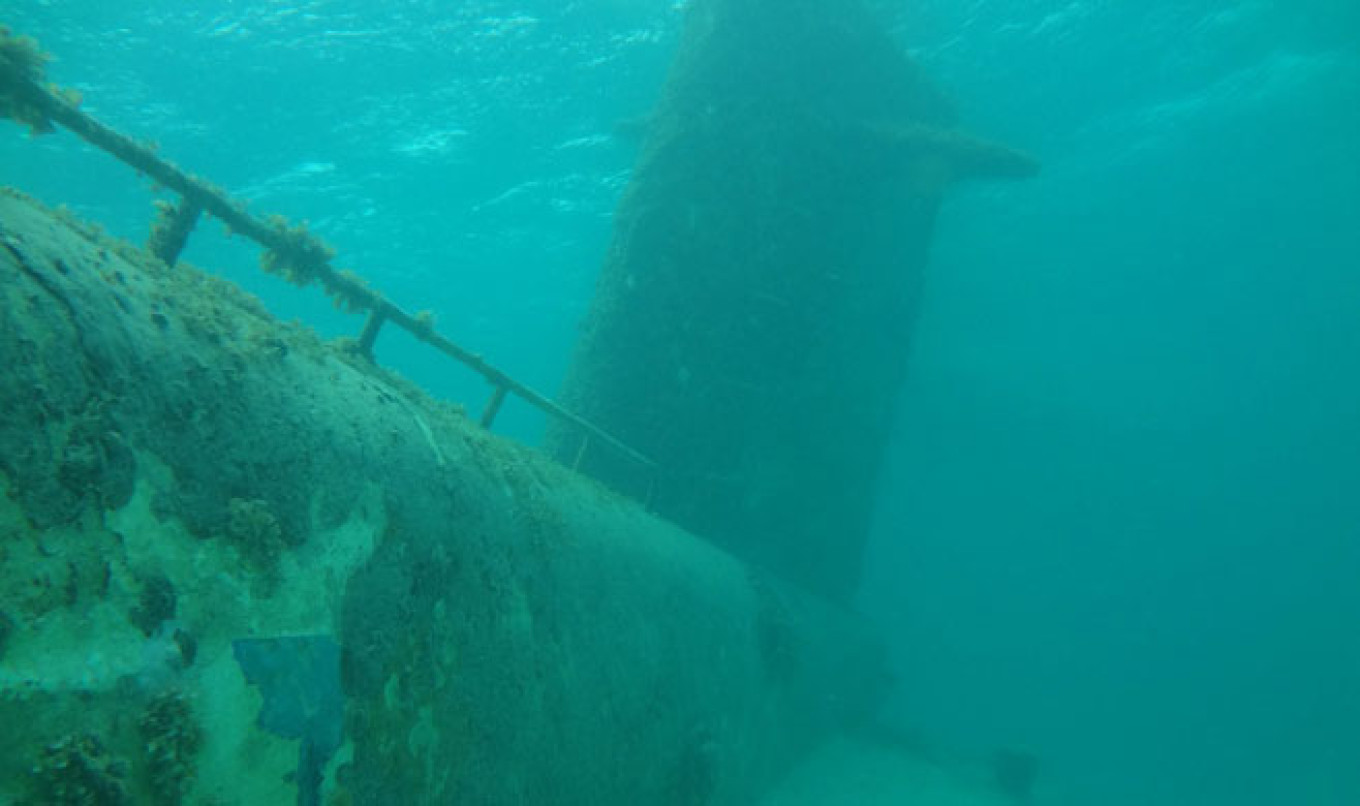
Recent reports indicate that the wreckage of Soviet nuclear submarines in the Norwegian Sea and Kara Sea is showing signs of structural collapse. These wrecks, once deemed safe, may release dangerous radiation threatening both the environment and human health.
The Cold War left a complex legacy that cannot be easily erased, with remnants of this conflict buried deep in the seas. Among these remnants, the wreckage of Soviet nuclear submarines is considered a ticking time bomb, now showing signs of structural failure after decades of neglect.
Details of the Incident
The K-278 (Komsomolets) submarine is one of the most notable examples of this legacy, having sunk in 1989. Once regarded as a pride of Soviet engineering, recent discoveries have revealed elevated levels of cesium-137 near its wreckage, exceeding 800,000 times the normal rate.
Studies indicate that radiation does not remain confined to the seabed but travels through the food chain. Phytoplankton absorb radioactive particles, leading to their accumulation in small fish, which then transfer to larger fish such as cod and tuna, reaching our tables laden with dangerous radiation levels.
Background & Context
After the collapse of the Soviet Union in 1991, the Russian nuclear fleet faced a severe financial crisis. Instead of safely dismantling nuclear facilities, the northern region became a dumping ground for nuclear waste. This choice resulted from insufficient funding, leading to the transfer of risks across generations.
Now, with the nuclear transition window approaching between 2040 and 2060, the structures of these old ships will reach a state of structural failure. This means that radioactive materials will return to the sea, potentially leading to an environmental disaster.
Impact & Consequences
The fishing sector in the North Atlantic is considered one of the most important economic sectors, transporting millions of tons of fish and generating billions of euros. If consumer perceptions shift towards radioactive fish, this sector could collapse rapidly.
The estimated cost of retrieving the most hazardous nuclear wreckage reaches $300 million, an amount that seems to be off the table for discussion. As Arctic ice retreats and currents change, old deposits become more fragile, increasing the risk of collapse.
Regional Significance
This issue is particularly significant for the Arab region, where many countries rely on fishing as a primary source of food and economy. Any negative impact on the marine environment could affect food security in the region.
In conclusion, this issue must be prioritized at the international level, as environmental risks do not recognize borders. International cooperation is essential to address these challenges and achieve a safe marine environment for all.